

Note for teachers using this lesson plan
Before this lesson, prepare a small basin of clean water, liquid soap, a soft towel, a small nail brush (if available), and a moisturizing cream. The central idea is for pupils to understand the importance of clean nails, hands, and feet in preventing germs, and to correctly demonstrate the steps for washing them. Ensure a safe and hygienic setup for practical demonstrations. Successful learning will be observed when pupils can confidently show how to wash their hands and feet and explain why it is important.
Class: Pre-School Level 3
Term: First Term
Week: 3
Age: 4 years
Duration: 30 minutes
Subject: Health Habits
Curriculum Theme: Health Habits
Previous Lesson: Identifying parts of the body
Topic: CARE OF THE NAILS: WASHING HANDS AND FEET PROPERLY
Subject Matter: Care of the Nails: Washing Hands and Feet Properly
Specific Objectives
By the end of the lesson, pupils should be able to:
Cognitive Domain
- Identify tools used for washing hands and feet (soap, water, towel).
- State simple reasons why washing hands and feet is important.
Affective Domain
- Show willingness to participate in hand and foot washing activities.
- Appreciate the feeling of having clean hands and feet.
Psychomotor Domain
- Demonstrate the correct steps for washing hands with soap and water.
- Demonstrate simple steps for washing feet with soap and water.
- Apply cream to hands and feet after washing.
Social Domain
- Share washing materials appropriately with peers during guided activities.
- Participate actively in group songs and discussions about hygiene.
Reference Materials
- NAPPS National Unified Teaching Scheme for Pre-School Level 3
- Early Childhood Care and Education textbooks for hygiene
- Relevant charts and posters on personal hygiene
Instructional Materials
- Chart showing steps for handwashing
- Posters of clean and dirty hands/feet
- Small basin or bowl
- Clean water
- Liquid soap or bar soap
- Soft, clean towel
- Small nail brush (optional)
- Moisturizing cream
- Audio player for songs
Rationale for the Lesson
This lesson is crucial for 4-year-olds as it teaches fundamental personal hygiene practices that prevent the spread of germs and illness. By learning to care for their nails, hands, and feet properly, pupils develop healthy habits that contribute to their overall well-being and independence, both at home and in school.
Prerequisite/Previous Knowledge
Pupils can identify their hands and feet, know the importance of keeping their bodies clean, and are familiar with using soap and water for bathing.
Lesson Content/Board Summary
CARE OF THE NAILS: WASHING HANDS AND FEET PROPERLY
It is very important to keep our nails, hands, and feet clean. This helps us stay healthy and stops germs from making us sick.
Why we wash our hands and feet:
- To remove dirt and germs.
- To stay healthy and strong.
- To feel fresh and clean.
What we need to wash our hands and feet:
- Water
- Soap
- Towel
- Nail brush (for nails)
- Cream (after washing)
Steps for Washing Hands Properly:
- Wet your hands with clean water.
- Put some soap on your hands.
- Rub your hands together to make bubbles.
- Scrub the back of your hands.
- Scrub between your fingers.
- Scrub under your nails (you can use a brush).
- Rinse your hands well with clean water until all the soap is gone.
- Dry your hands with a clean towel.
- Put a little cream on your hands to keep them soft.
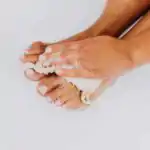
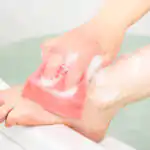
Steps for Washing Feet Properly:
- Wet your feet with clean water.
- Put some soap on your feet.
- Rub your feet together and scrub the top, bottom, and between your toes.
- Rinse your feet well with clean water.
- Dry your feet with a clean towel.
- Put a little cream on your feet to keep them soft.
Clean Hands and Feet Song
Tune: “Twinkle, Twinkle Little Star”
Wash, wash, wash your hands,
Wash them clean and bright.
Rub the soap, make bubbles flow,
Germs will run and go.
Wash, wash, wash your feet,
Wash them clean and neat.
Toes and soles, scrub them well,
Healthy stories they will tell!
Actions: Mimic washing hands, rubbing soap, scrubbing between fingers, rinsing. Then mimic washing feet, scrubbing toes and soles.
Watch and Practise
Key Words
- Nails – The hard parts at the end of our fingers and toes.
- Hands – The body parts we use to hold things.
- Feet – The body parts we use to stand and walk.
- Soap – What we use with water to make things clean.
- Water – What we use to wash and rinse.
- Germs – Tiny things that can make us sick if we don’t wash them away.
- Clean – Free from dirt and germs.
💡 Teacher Guide for Using This Board Summary
How to teach the content: Use the chart and posters to introduce the topic. Explain why washing is important using simple language, focusing on “germs” that make us sick. Demonstrate each step for handwashing and foot washing clearly, using real materials. Emphasize scrubbing under nails and between toes.
What to show or demonstrate: Show real soap, water, towel, and cream. Demonstrate the full handwashing process on your own hands, then guide pupils to practise the movements in the air or with a small amount of water if feasible. Show how to gently scrub under nails with a finger or a soft brush. Demonstrate simple foot washing movements.
How to use the rhyme/song: Introduce the “Clean Hands and Feet Song” after explaining the washing steps. Sing it together several times, encouraging pupils to do the actions. Use it as a fun way to reinforce the sequence of washing.
How to use the video: Introduce the video as a fun way to see how other children wash their hands. Play the video, encouraging pupils to sing along and mimic the actions. After watching, ask pupils to recall one thing they saw in the video about washing hands.
What to watch for: Observe if pupils understand the concept of germs and why washing is important. Check if they can mimic the scrubbing motions for hands and feet, especially under nails and between fingers/toes. Correct any misconceptions gently.
Teaching Methods/Instructional Techniques
- Demonstration
- Guided Practice
- Songs and Rhymes
- Picture Talk
- Question and Answer
- Practical Activity
- Repetition
Instructional Procedures
Step 1: Introduction
Time: 3 minutes
Teaching Skill: Engagement/Recall
Teacher’s Activity: The teacher greets the pupils and asks them to show their hands and feet. The teacher asks, “Are your hands and feet clean? Why is it important to keep them clean?”
Pupils’ Activity: Pupils show their hands and feet and respond to the questions, sharing simple ideas about cleanliness.
Learning Point: Pupils recall the importance of personal hygiene and identify their hands and feet.
Step 2: Presentation of Topic and Importance
Time: 4 minutes
Teaching Skill: Explanation/Visual Aid
Teacher’s Activity: The teacher introduces the topic: “Today, we will learn about caring for our nails, and how to wash our hands and feet properly!” The teacher shows pictures of dirty hands/feet and clean hands/feet, explaining that washing helps remove dirt and tiny germs that can make us sick.
Pupils’ Activity: Pupils look at the pictures, listen to the explanation, and repeat “wash away germs.”
Learning Point: Pupils understand the topic and the basic reason for washing hands and feet.
Step 3: Identifying Washing Materials and Demonstration (Hands)
Time: 6 minutes
Teaching Skill: Demonstration/Identification
Teacher’s Activity: The teacher displays soap, water, towel, and cream. The teacher names each item and asks pupils to repeat. The teacher then demonstrates the steps for washing hands properly using the basin, soap, and water, explaining each step clearly.
Pupils’ Activity: Pupils name the washing materials and observe the teacher’s demonstration, trying to follow the movements in the air.
Learning Point: Pupils identify washing materials and observe the handwashing process.
Step 4: Guided Practice (Hands) and Rhyme
Time: 5 minutes
Teaching Skill: Guided Practice/Reinforcement
Teacher’s Activity: The teacher guides pupils to practice the handwashing steps without water (mime) while singing the “Clean Hands and Feet Song” focusing on the handwashing part. The teacher provides gentle correction and encouragement.
Pupils’ Activity: Pupils mimic the handwashing actions and sing along with the teacher, practising the sequence.
Learning Point: Pupils practise handwashing steps through mime and song.
Step 5: Demonstration and Guided Practice (Feet)
Time: 4 minutes
Teaching Skill: Demonstration/Imitation
Teacher’s Activity: The teacher demonstrates simple steps for washing feet, focusing on scrubbing the top, bottom, and between the toes. The teacher then guides pupils to mime the foot washing actions while singing the foot-washing part of the song.
Pupils’ Activity: Pupils observe the teacher’s demonstration and mime the foot washing actions, singing along.
Learning Point: Pupils learn and practise simple foot washing steps.
Step 6: Video Reinforcement and Application
Time: 3 minutes
Teaching Skill: Visual Learning/Application
Teacher’s Activity: The teacher plays the “Wash Your Hands Song” video, encouraging pupils to watch and sing along. After the video, the teacher asks pupils to show how they would apply cream to their hands after washing.
Pupils’ Activity: Pupils watch the video, sing along, and demonstrate applying cream to their hands.
Learning Point: Pupils reinforce their understanding through video and practise applying cream.
Step 7: Evaluation/Review
Time: 4–5 minutes
Teaching Skill: Questioning/Assessment
Teacher’s Activity: The teacher checks pupils’ understanding through short questions and practical tasks.
- “What do we use to wash our hands and feet?” (Show materials)
- “Why do we wash our hands and feet?”
- “Show me how you would scrub your hands.”
- “Show me how you would scrub between your toes.”
Pupils’ Activity: Pupils respond orally and demonstrate the required skill where appropriate.
Learning Point: Pupils demonstrate understanding of the lesson.
Step 8: Conclusion
Time: 1 minute
Teaching Skill: Summarization/Encouragement
Teacher’s Activity: The teacher praises the pupils for their participation and reminds them to always wash their hands and feet to stay healthy and clean. “Remember, clean hands and feet keep the germs away!”
Pupils’ Activity: Pupils respond with “Yes, teacher!” and repeat the phrase.
Learning Point: Pupils are encouraged to practise good hygiene habits.
Lesson Keywords
- Nails – The hard parts at the end of our fingers and toes.
- Hands – The body parts we use to hold things.
- Feet – The body parts we use to stand and walk.
- Soap – What we use with water to make things clean.
- Germs – Tiny things that can make us sick.
- Clean – Free from dirt and germs.
Differentiation
- Support: For pupils who find it difficult, provide one-on-one guidance during demonstrations, use hand-over-hand movements to help them feel the scrubbing actions, and repeat the song and actions more frequently. Use larger pictures for identification.
- Extension: Encourage pupils who grasp the concept quickly to explain to a friend why washing is important or to lead the actions during the song. Ask them to name other times when they should wash their hands (e.g., after playing, before eating).
Community Join the conversation Open discussion +