

Note for teachers using this lesson plan
This lesson focuses on the critical aspect of safety in a garment workshop. Teachers should prepare by gathering the listed instructional materials, especially the first aid box and fire extinguisher, for demonstration. Emphasise practical examples and guide students to understand not just the precautions but also the importance of using safety equipment. By the end, learners should be able to discuss general safety rules and identify the uses of common safety tools in garment making.
Class: SS 1
Term: First Term
Week: 9
Age: 15 years
Duration: 60 minutes
Subject: Fashion Design and Garment Making
Curriculum Theme: Introduction to fashion designs and
Focal competence: Practice safety precautions in a garment workshop
Key competencies/values: Critical Thinking; Research and Problem Solving; Problem Solving
Skills:
- Application of first aid treatment to accident victim
Previous Lesson: Importance of Entrepreneurship in Fashion Design and Garment Making
Topic: Safety Precautions In Garment Making
Subject Matter: Safety precautions in garment making, Safety tools and equipment needed in garment workshop
Specific Objectives
By the end of the lesson, pupils/students should be able to:
Cognitive Domain
- Discuss the general safety precautions in garment making.
- List the use of safety tools and equipment in a garment workshop.
Affective Domain
- Appreciate the importance of safety in the garment workshop.
- Demonstrate a responsible attitude towards maintaining a safe working environment.
Psychomotor Domain
- Identify various safety tools and equipment in a garment workshop.
- Practise basic first aid application for minor workshop accidents.
Reference Materials
The following resources were used in planning this lesson:
- 2025 New Revised Senior Secondary Education Curriculum (SSEC)
- Relevant State Unified Scheme of Work
- Fashion Design and Garment Making textbook for Senior Secondary Schools
- The HeadTeacher Scheme of work For The New Revised Senior Secondary Education Curriculum (SSEC)
Instructional Materials
The teacher will teach this lesson with the aid of:
- Fire extinguisher
- Sand bucket
- Safety posters
- First aid box (containing bandages, antiseptic, plasters, etc.)
- Pictures or charts showing various safety tools and equipment
- Examples of safety tools like thimbles, pin cushions, etc.
Rationale for the Lesson
This lesson is essential for students to understand the risks associated with garment making and how to mitigate them. It equips them with the knowledge and skills to maintain a safe working environment, preventing accidents and ensuring personal well-being. This understanding is fundamental for safe handling of tools and materials, which is crucial for effective and neat garment construction.
Prerequisite/Previous Knowledge
Students should have basic knowledge of common tools used in garment making and general classroom safety rules.
Lesson Content/Board Summary
Safety Precautions In Garment Making
General Safety Precautions in Garment Making
Maintaining a safe environment in a garment workshop is crucial to prevent accidents and injuries. General safety precautions include:
- Keep the workspace tidy: Ensure floors are free from fabric scraps, pins, needles, and threads that can cause slips or falls.
- Proper tool handling: Always use tools for their intended purpose. Handle sharp tools like scissors and seam rippers with care, and always pass them handle first.
- Electrical safety: Check electrical cords of sewing machines and irons for damage. Avoid overloading electrical sockets. Unplug machines when not in use or during maintenance.
- Fire safety: Know the location of fire extinguishers and sand buckets. Avoid leaving hot irons unattended. Keep flammable materials away from heat sources.
- Personal protective equipment (PPE): Use thimbles to protect fingers when hand sewing. Wear appropriate footwear to prevent slips.
- Good lighting and ventilation: Ensure the workshop is well-lit to prevent eye strain and well-ventilated to avoid inhaling fabric dust or fumes from adhesives.
- Machine safety: Do not operate sewing machines with loose clothing, long hair, or jewellery that can get caught. Keep fingers away from the needle area while the machine is running.
- First aid awareness: Know the location of the first aid box and how to apply basic first aid for minor cuts, burns, or pricks.
Safety Tools and Equipment in a Garment Workshop
Various tools and equipment are specifically designed to enhance safety in a garment making environment. Their proper use can prevent or manage accidents.
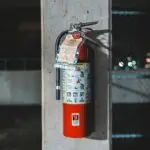
- Fire Extinguisher:
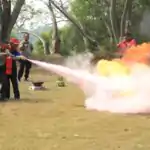
- Use: Used to put out small fires, especially those involving electrical equipment or flammable materials. Different types are available for different classes of fire (e.g., CO2 for electrical fires, foam for liquid fires).
- Sand Bucket:
- Use: Contains sand which can be used to smother small fires, particularly those involving flammable liquids or electrical fires where water is not suitable.
- First Aid Box:
- Use: Contains essential medical supplies for treating minor injuries such as cuts, burns, pricks, and bruises. It typically includes antiseptic wipes, plasters, bandages, pain relievers, and sterile cotton wool.
- Safety Posters:
- Use: Displayed in the workshop to remind workers of safety rules, emergency procedures, and proper handling of tools and equipment.
- Thimble:
- Use: A small, hard pitted cup worn on the finger to protect it from being pricked by a needle while hand sewing.
- Pin Cushion:
- Use: Provides a safe place to store pins and needles when not in use, preventing them from scattering and causing injury.
- Safety Glasses/Goggles:
- Use: Protects the eyes from flying debris, dust, or chemical splashes, especially when working with certain machines or adhesives.
- Rubber Matting:
- Use: Placed around machines or work areas to provide insulation against electrical shocks and reduce fatigue from standing for long periods.
Teaching Methods/Instructional Techniques
Discussion, Demonstration, Guided Practice, Question and Answer, Explanation, Group Work, Practical Activity
Instructional Procedures
Step 1: Introduction
Time: 5 minutes
Teaching Skill: Questioning/Engagement
Teacher’s Activity: The teacher greets the students and asks them about the importance of safety in everyday life, relating it to their homes and schools. The teacher then introduces the topic: “Safety Precautions in Garment Making.”
Pupils’ Activity: Pupils respond to the questions and listen attentively to the introduction of the topic.
Learning Point: Importance of safety
Step 2: General Safety Precautions
Time: 15 minutes
Teaching Skill: Explanation/Discussion
Teacher’s Activity: The teacher guides students to brainstorm in groups on the causes and prevention of accidents in a garment workshop. The teacher then discusses the general safety precautions in garment making, explaining each point with practical examples.
Pupils’ Activity: Pupils participate in group brainstorming, discuss causes and prevention of accidents, and listen to the teacher’s explanation, taking notes.
Learning Point: Workshop safety rules
Step 3: Identification of Safety Tools
Time: 10 minutes
Teaching Skill: Demonstration/Observation
Teacher’s Activity: The teacher displays various safety tools and equipment (e.g., fire extinguisher, first aid box, safety posters, thimble, pin cushion) and guides students to identify them. If possible, the teacher guides students to visit a tailoring outfit to identify safety tools and equipment available.
Pupils’ Activity: Pupils observe the displayed items, identify the safety tools, and participate in the visit to the tailoring outfit if arranged.
Learning Point: Recognition of safety tools
Step 4: Uses of Safety Tools and Equipment
Time: 10 minutes
Teaching Skill: Explanation/Demonstration
Teacher’s Activity: The teacher explains the specific use of each identified safety tool and equipment, demonstrating how some are used (e.g., how to wear a thimble, how to store pins in a pin cushion).
Pupils’ Activity: Pupils listen to the explanations, ask questions, and observe the demonstrations.
Learning Point: Functions of safety equipment
Step 5: Accident Prevention and Management
Time: 5 minutes
Teaching Skill: Discussion/Reinforcement
Teacher’s Activity: The teacher reinforces the importance of accident prevention based on the brainstorming activity and briefly discusses what to do in case of minor accidents, linking it to the first aid box.
Pupils’ Activity: Pupils contribute to the discussion and understand accident management.
Learning Point: Accident prevention strategies
Step 6: First Aid Application
Time: 5 minutes
Teaching Skill: Practical Demonstration
Teacher’s Activity: The teacher briefly demonstrates how to apply basic first aid for common workshop injuries like small cuts or pricks using items from the first aid box.
Pupils’ Activity: Pupils observe the first aid demonstration and ask questions for clarity.
Learning Point: Basic first aid skills
Step 7: Evaluation/Review
Time: 5 minutes
Teaching Skill: Questioning/Assessment
Teacher’s Activity: The teacher evaluates the learning by asking the following questions:
- Mention three general safety precautions in garment making.
- List two safety tools found in a garment workshop and state their uses.
- Why is it important to keep your workspace tidy?
- What is the purpose of a first aid box in a workshop?
Pupils’ Activity: Pupils answer orally and in writing.
Learning Point: Understanding safety precautions
Step 8: Note-Taking
Time: 10 minutes
Teaching Skill: Guided Writing
Teacher’s Activity: The teacher guides pupils/students to copy the essential Board Summary notes on general safety precautions and safety tools into their notebooks.
Pupils’ Activity: Pupils/students copy the notes carefully into their notebooks.
Learning Point: Recording lesson content
Step 9: Conclusion
Time: 5 minutes
Teaching Skill: Consolidation
Teacher’s Activity: The teacher summarises the key points of the lesson, re-emphasising the importance of safety in garment making to prevent accidents and ensure a productive working environment. The teacher encourages students to always prioritise safety.
Pupils’ Activity: Pupils listen to the summary and reflect on the lesson’s importance.
Learning Point: Reinforcing safety importance
Continuous Assessment/Further Study
Type: Homework/Further Reading
Instruction: Answer the following questions in your notebook:
- Describe how you would handle a minor cut or prick in a garment workshop using a first aid box.
- Research and list two additional safety equipment not discussed in class that could be useful in a garment workshop. Explain their uses.
- Draw and label any three safety tools discussed in class.
Lesson Keywords
- Safety – The condition of being protected from danger, risk, or injury.
- Precautions – Measures taken in advance to prevent something dangerous, unpleasant, or inconvenient from happening.
- Garment Making – The process of creating clothing or other textile products.
- Workshop – A room or building where goods are manufactured or repaired.
- First Aid – Emergency help given to an injured or sick person before full medical treatment is available.
- Fire Extinguisher – A device that sprays chemicals to put out fires.
- Sand Bucket – A container of sand used to smother small fires.
- Thimble – A small, hard pitted cup worn on the finger to protect it from being pricked by a needle.
Differentiation
For students who grasp concepts quickly, encourage them to research and present on specific types of workshop accidents and their detailed prevention methods. For students needing more support, provide simplified safety checklists and guide them through identifying safety tools with direct prompts and visual aids.
Suggested Lesson Videos
YouTube search: garment workshop safety precautions SS1 nigeria

Community Join the conversation Open discussion +