

Note for teachers using this lesson plan
This lesson introduces students to the essential practices of caring for their feet and hands, including the significance of good footwear. Teachers should prepare visual aids like pictures of well-cared-for and neglected feet/hands, as well as examples of good and bad shoes. Emphasise hygiene and safety throughout the lesson, ensuring students understand the practical steps involved in maintaining personal grooming. By the end, learners should be able to articulate and demonstrate basic care routines for their feet and hands, and explain why wearing appropriate shoes is important.
Class: SS 1
Term: First Term
Week: 4
Age: 15 years
Duration: 60 minutes
Subject: Beauty and Cosmetology
Curriculum Theme: Introduction to manicure and pedicure
Focal competence: Identifying the equipment, tools and materials used in pedicure and manicure
Key competencies/values: Communication; Collaboration; Responsibility
Skills:
- Showing how to massage feet and toes
- Displaying some advantages of regular washing of hands
Previous Lesson: Cosmetic Tools, Equipment and Materials Used in Cosmetology
Topic: Feet And Hands
Subject Matter: Meaning of Feet and Hands, Ways of caring for the feet and hands, Reasons for wearing good shoes
Specific Objectives
By the end of the lesson, pupils/students should be able to:
Cognitive Domain
- Define feet and hands.
- State ways of caring for the feet and hands.
- List reasons for wearing good shoes.
Affective Domain
- Appreciate the importance of proper foot and hand hygiene.
- Show responsibility in maintaining healthy feet and hands.
Psychomotor Domain
- Demonstrate basic techniques for caring for the feet and hands, such as washing and simple massage.
- Identify suitable footwear for different occasions.
Reference Materials
The following resources were used in planning this lesson:
- 2025 New Revised Senior Secondary Education Curriculum (SSEC)
- Relevant State Unified Scheme of Work
- Beauty and Cosmetology for Senior Secondary Schools, Book 1
- The HeadTeacher Scheme of work For The New Revised Senior Secondary Education Curriculum (SSEC)
Instructional Materials
The teacher will teach this lesson with the aid of:
- Pumice stone
- Massaging creams
- Pictures of well-cared-for and neglected feet/hands
- Poster on good shoes
- Examples of different types of shoes (e.g., sandals, closed shoes, high heels, flat shoes)
- Hand soap and water
Rationale for the Lesson
This lesson is important because feet and hands are constantly used and exposed, making them susceptible to various conditions if not properly cared for. Understanding proper hygiene and care practices helps prevent infections, discomfort, and promotes overall well-being. Furthermore, knowing the importance of good footwear contributes to long-term foot health and good posture.
Prerequisite/Previous Knowledge
Pupils/students should have basic knowledge of personal hygiene and the general functions of body parts.
Lesson Content/Board Summary
Feet And Hands
Meaning of Feet and Hands
The feet are the terminal parts of the legs, used for standing, walking, and running. They bear the entire weight of the body and are crucial for mobility. The hands are the terminal parts of the arms, used for grasping, manipulating objects, and performing various tasks. Both feet and hands are complex structures with many bones, muscles, and nerves, making them vital for daily activities.
Ways of Caring for the Feet and Hands
Proper care of the feet and hands is essential for hygiene, comfort, and preventing health issues. Key practices include:
- Regular Washing: Wash feet and hands daily with soap and water. Pay attention to the spaces between toes and fingers to remove dirt and bacteria.
- Thorough Drying: Always dry feet and hands completely, especially between the toes, to prevent fungal infections like athlete’s foot.
- Nail Care: Trim toenails and fingernails regularly and straight across to prevent ingrown nails. File edges smoothly. Avoid cutting cuticles too aggressively, as they protect the nail bed.
- Moisturising: Apply moisturising cream or lotion to keep the skin soft and prevent dryness, cracking, or calluses on feet, and to keep hands smooth.
- Massage: Gently massage feet and hands to improve blood circulation, relieve fatigue, and promote relaxation. This can be done with a suitable cream or oil.
- Exfoliation: Use a pumice stone or foot file to gently remove dead skin cells from the soles and heels of the feet, keeping them smooth.
- Professional Care: Consider professional manicure (for hands) and pedicure (for feet) services for deeper cleaning, nail shaping, and specialised treatments.
- Hygiene and Safety:
- Always use clean tools for nail care to avoid infections.
- Avoid sharing nail clippers, files, or other personal grooming tools.
- Wear gloves when handling harsh chemicals or doing chores to protect hands.
- Inspect feet regularly for cuts, blisters, or any unusual changes.
- Basic Quality Indicators: Well-cared-for feet and hands should have smooth, soft skin, clean and neatly trimmed nails, and be free from odour, cracks, or visible infections.
Reasons for Wearing Good Shoes
Wearing appropriate and good-quality shoes is crucial for foot health, comfort, and overall well-being. Reasons include:
- Protection: Good shoes protect the feet from injuries, cuts, punctures, extreme temperatures, and harsh surfaces.
- Support: They provide adequate arch support, cushioning, and stability, which helps to maintain proper foot alignment and reduce strain on the feet, ankles, knees, and back.
- Comfort: Well-fitting shoes prevent discomfort, blisters, corns, and calluses that can arise from ill-fitting or poorly designed footwear.
- Hygiene: Good shoes, especially those made of breathable materials, allow air circulation, reducing moisture and the risk of fungal infections like athlete’s foot.
- Posture: Proper footwear contributes to good body posture by supporting the natural alignment of the spine and legs.
- Prevention of Foot Problems: Wearing good shoes can prevent or alleviate common foot problems such as bunions, hammertoes, plantar fasciitis, and heel pain.
- Performance: Specific types of shoes (e.g., athletic shoes) are designed to enhance performance and provide necessary support during physical activities.
- Safety: Non-slip soles and sturdy construction in work shoes can prevent accidents in certain environments.
Teaching Methods/Instructional Techniques
Discussion, Demonstration, Guided Practice, Question and Answer, Explanation, Group Work, Individual Practice
Instructional Procedures
Step 1: Introduction
Time: 5 minutes
Teaching Skill: Questioning/Engagement
Teacher’s Activity: The teacher greets the students and asks them questions about how they care for their personal hygiene, specifically focusing on their hands and feet. The teacher then introduces the topic: “Care of the Feet and Hands, and Importance of Good Footwear.”
Pupils’ Activity: Pupils respond to the questions and listen attentively to the topic introduction.
Learning Point: Introduction to topic
Step 2: Meaning of Feet and Hands
Time: 10 minutes
Teaching Skill: Explanation/Definition
Teacher’s Activity: The teacher explains the meaning and basic functions of the feet and hands, highlighting their importance in daily life. The teacher uses pictures to illustrate their structure and common uses.
Pupils’ Activity: Pupils listen, observe the pictures, and ask questions for clarification.
Learning Point: Definition of feet and hands
Step 3: Ways of Caring for the Feet and Hands (Part 1)
Time: 10 minutes
Teaching Skill: Discussion/Demonstration
Teacher’s Activity: The teacher guides students in a group discussion on various ways of caring for the feet and hands, focusing on daily hygiene practices like washing, drying, and nail care. The teacher demonstrates proper hand washing techniques and how to trim nails safely. The teacher also introduces professional terminology like ‘manicure’ and ‘pedicure’.
Pupils’ Activity: Students participate in the discussion, observe the demonstrations, and practice proper hand washing.
Learning Point: Daily hygiene practices
Step 4: Ways of Caring for the Feet and Hands (Part 2)
Time: 8 minutes
Teaching Skill: Demonstration/Practical Application
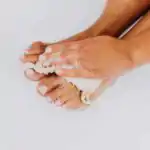
Teacher’s Activity: The teacher demonstrates how to use a pumice stone to remove dead skin from the feet and how to apply massaging creams to the feet and hands. The teacher also shows basic foot and toe massage techniques, as per the skill requirement.
Pupils’ Activity: Pupils observe the demonstrations and practice simple massage techniques on their own hands or with a partner.
Learning Point: Practical care techniques
Step 5: Reasons for Wearing Good Shoes
Time: 7 minutes
Teaching Skill: Explanation/Discussion
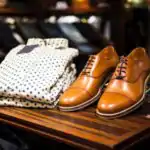
Teacher’s Activity: The teacher leads a discussion on the importance of wearing good shoes, explaining how proper footwear contributes to comfort, protection, support, and overall foot health. The teacher uses the poster on good shoes and pictures of different shoe types to illustrate points.
Pupils’ Activity: Pupils contribute to the discussion and identify characteristics of good shoes from the visuals.
Learning Point: Importance of good footwear
Step 6: Practical Application and Observation
Time: 5 minutes
Teaching Skill: Group Work/Observation
Teacher’s Activity: The teacher guides students to form clusters. In their clusters, students briefly inspect the cleanliness of their own feet (without removing shoes, if uncomfortable, focus on general cleanliness) and observe the outsole of their shoes to appreciate the importance of wearing shoes. They discuss their observations.
Pupils’ Activity: Students work in clusters, inspect their feet and shoes, and discuss their findings.
Learning Point: Footwear impact observation
Step 7: Evaluation/Review
Time: 5 minutes
Teaching Skill: Questioning/Assessment
Teacher’s Activity: The teacher evaluates the learning by asking the following questions:
- What are feet and hands?
- Mention three ways to care for your feet and hands.
- State two reasons why wearing good shoes is important.
- Demonstrate a simple hand massage technique.
Pupils’ Activity: Pupils answer orally and in writing.
Learning Point: Assessment of understanding
Step 8: Note-Taking
Time: 10 minutes
Teaching Skill: Guided Writing
Teacher’s Activity: The teacher guides pupils/students to copy the essential Board Summary notes on the meaning of feet and hands, ways of caring for them, and reasons for wearing good shoes into their notebooks.
Pupils’ Activity: Pupils/students copy the notes carefully into their notebooks.
Learning Point: Recording lesson notes
Step 9: Conclusion
Time: 5 minutes
Teaching Skill: Summarisation
Teacher’s Activity: The teacher summarises the key points of the lesson, re-emphasising the importance of consistent care for feet and hands and the role of good footwear in overall health and hygiene. The teacher encourages students to adopt these practices daily.
Pupils’ Activity: Pupils listen and ask any final questions.
Learning Point: Lesson reinforcement
Continuous Assessment/Further Study
Type: Homework
Instruction: Answer the following questions in your notebook.
- List five professional terms related to foot and hand care, and briefly explain each.
- Describe the steps you would take to give yourself a basic foot care routine at home.
- Find pictures of three different types of shoes and explain when each would be appropriate to wear, considering foot health.
Lesson Keywords
- Feet – The lower extremities of the legs, used for walking and standing.
- Hands – The upper extremities of the arms, used for grasping and manipulation.
- Manicure – A cosmetic treatment of the hands and fingernails.
- Pedicure – A cosmetic treatment of the feet and toenails.
- Pumice stone – A light, porous volcanic rock used to remove dead skin.
- Hygiene – Practices to maintain health and prevent disease, especially through cleanliness.
- Footwear – Outer coverings for the feet, such as shoes, boots, or sandals.
Differentiation
For students who grasp concepts quickly, encourage them to research common nail diseases and disorders and suggest preventive measures. For students needing additional support, provide simplified checklists for daily foot and hand care and pair them with stronger students during practical activities.
Suggested Lesson Videos
For further understanding, students can search on YouTube for:

Community Join the conversation Open discussion +