

Note for teachers using this lesson plan
This lesson introduces Senior Secondary 1 students to the fundamental goods, services, resources, and tools required for a cosmetology business start-up. Prepare visual aids such as charts or pictures of various cosmetology products and equipment to make the concepts concrete. Emphasise the importance of hygiene, safety, and professional conduct in all discussions. By the end of the lesson, learners should be able to identify key components necessary for establishing a cosmetology venture.
Class: SS 1
Term: Third Term
Week: 7
Age: 15 years
Duration: 60 minutes
Subject: Beauty and Cosmetology
Curriculum Theme: Enterprise Creation Management
Focal competence: Identifying Concepts and Basics for Starting a Business in Cosmetology
Key competencies/values: Communication; Collaboration; Research and Problem Solving; Problem Solving
Skills:
- identify cosmetology goods and services
- identify resources / tools for cosmetology start-up
Previous Lesson: Cosmetology Business Start-Up and Entry Requirements
Topic: Cosmetology Business Start-Up: Goods And Services In Cosmetology
Subject Matter: Goods and Services in cosmetology, Resources / Tools for cosmetology startup
Specific Objectives
By the end of the lesson, pupils/students should be able to:
Cognitive Domain
- identify various goods used in cosmetology;
- identify various services offered in cosmetology;
- list essential resources required for a cosmetology start-up;
- identify key tools necessary for a cosmetology start-up.
Affective Domain
- appreciate the importance of hygiene and safety in cosmetology practice;
- value respectful conduct and client care in professional beauty services.
Reference Materials
The following resources were used in planning this lesson:
- 2025 New Revised Senior Secondary Education Curriculum (SSEC)
- Relevant State Unified Scheme of Work
- A suitable Beauty and Cosmetology textbook for SS 1
- The HeadTeacher Scheme of work For The New Revised Senior Secondary Education Curriculum (SSEC)
Instructional Materials
The teacher will teach this lesson with the aid of:
- Workbooks
- Charts of cosmetology goods, services, resources, and tools
- Pictures or samples of various beauty products (e.g., creams, lotions, hair products)
- Pictures or samples of cosmetology tools (e.g., combs, brushes, scissors, clippers)
Rationale for the Lesson
This lesson provides students with foundational knowledge about the practical components of a cosmetology business. Understanding the goods, services, resources, and tools involved is essential for aspiring cosmetologists to plan and manage a successful start-up, ensuring professional standards and client satisfaction.
Prerequisite/Previous Knowledge
Students should have a basic understanding of what a business is and some general knowledge about personal grooming and beauty practices.
Lesson Content/Board Summary
Cosmetology Business Start-Up: Goods And Services In Cosmetology
Goods in Cosmetology
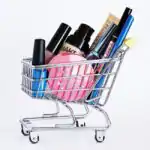
Cosmetology goods are the physical products used in beauty treatments and services, or sold directly to clients. These products are essential for performing various beauty procedures and maintaining client appearance.
Examples of cosmetology goods include:
- Hair care products: Shampoos, conditioners, relaxers, styling gels, hair sprays, dyes, extensions.
- Skin care products: Cleansers, toners, moisturisers, serums, masks, exfoliants, sunscreens.
- Nail care products: Nail polish, removers, cuticle oils, artificial nails, nail art supplies.
- Makeup products: Foundations, powders, lipsticks, mascaras, eyeliners, eyeshadows.
- Sanitation and hygiene products: Disinfectants, sterilising solutions, hand sanitisers, disposable gloves, towels.
- Waxing products: Wax, pre-wax cleansers, post-wax lotions.
Services in Cosmetology
Cosmetology services are the professional treatments and procedures offered to clients to enhance their appearance and well-being. These services require skilled application and adherence to professional standards.
Examples of cosmetology services include:
- Hair services: Haircutting, styling, braiding, weaving, relaxing, perming, colouring, washing, blow-drying.
- Skin care services (Esthetics): Facials, skin treatments, exfoliation, extractions, body wraps, massages.
- Nail services (Manicure and Pedicure): Nail shaping, polishing, artificial nail application, nail art, foot and hand massages.
- Makeup artistry: Application for special occasions, bridal makeup, theatrical makeup.
- Hair removal: Waxing, threading, sugaring.
- Consultation: Advising clients on suitable products and treatments.
Importance of Client Care, Hygiene, and Quality Standards in Services
Professional beauty practice involves more than just technical skills. It requires:
- Client Care: Treating clients with respect, listening to their needs, ensuring their comfort, and providing a pleasant experience.
- Hygiene: Maintaining a clean and sanitised environment, using sterilised tools, and practicing good personal hygiene to prevent the spread of infections.
- Safe Tools and Products: Using only professional-grade, non-expired products and tools that are in good working condition and appropriate for the client’s needs.
- Respectful Conduct: Exhibiting professionalism, politeness, and ethical behaviour at all times.
- Basic Quality Standards: Delivering consistent, high-quality results that meet or exceed client expectations, ensuring client satisfaction and loyalty.
Resources for a Cosmetology Start-Up
Resources are the essential elements needed to establish and operate a cosmetology business. They can be financial, human, or physical.
Examples of resources for a cosmetology start-up include:
- Financial Capital: Funds for rent, equipment purchase, product inventory, salaries, marketing, and operational costs.
- Location/Premises: A suitable space (salon, studio, or home-based) that is accessible, visible, and meets health and safety regulations.
- Human Resources: Skilled cosmetologists, receptionists, assistants, and other staff members.
- Knowledge and Skills: Expertise in various cosmetology techniques, business management, customer service, and marketing.
- Licensing and Permits: Necessary legal documents and certifications to operate a beauty business in a specific location.
- Utilities: Reliable access to electricity, water, and internet.
- Suppliers: Reliable sources for purchasing cosmetology goods and tools.
Tools for a Cosmetology Start-Up
Tools are the specific instruments and equipment used by cosmetologists to perform their services. These are distinct from consumable goods.
Examples of tools for a cosmetology start-up include:
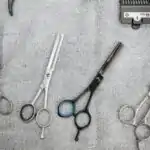
- Hair styling tools: Scissors, clippers, razors, combs, brushes, hair dryers, flat irons, curling irons, rollers.
- Skin care tools: Facial steamers, magnifying lamps, extraction tools, spatulas, mixing bowls.
- Nail care tools: Nail files, buffers, cuticle pushers, nippers, clippers, UV/LED lamps for gel nails.
- Makeup tools: Various makeup brushes, sponges, applicators, palettes.
- Sanitation tools: UV sterilizers, barbicide jars, towel warmers.
- Salon furniture: Styling chairs, shampoo bowls, treatment beds, reception desk, mirrors, storage cabinets.
Importance of Safe Tools and Products
Using safe tools and products is paramount in cosmetology for several reasons:
- Client Safety: Prevents injuries, allergic reactions, and infections.
- Professional Reputation: Builds trust and confidence with clients.
- Legal Compliance: Adheres to health and safety regulations.
- Longevity of Tools: Proper care and use extend the life of equipment.
- Effective Results: Quality tools and products ensure better outcomes for services.
Teaching Methods/Instructional Techniques
Discussion, Question and Answer, Explanation, Brainstorming, Group Work, Practical Demonstration (using pictures/samples).
Instructional Procedures
Step 1: Introduction
Time: 5 minutes
Teaching Skill: Eliciting/Engaging
Teacher’s Activity: The teacher greets the students and asks them to name some beauty products or services they are familiar with. The teacher then introduces the topic, “Cosmetology Business Start-Up: Goods And Services In Cosmetology,” explaining that they will learn about what is needed to start a beauty business.
Pupils’ Activity: Pupils respond to the teacher’s questions and listen attentively to the introduction.
Learning Point: Introduction to cosmetology business
Step 2: Goods in Cosmetology
Time: 10 minutes
Teaching Skill: Explanation/Illustration
Teacher’s Activity: The teacher explains what cosmetology goods are, providing definitions and showing charts or pictures of various products (e.g., shampoos, creams, nail polish). The teacher encourages students to identify more examples.
Pupils’ Activity: Pupils listen, observe the charts/pictures, and identify examples of cosmetology goods.
Learning Point: Identification of cosmetology goods
Step 3: Services in Cosmetology
Time: 10 minutes
Teaching Skill: Discussion/Clarification
Teacher’s Activity: The teacher explains what cosmetology services are, giving examples like haircutting, facials, and manicures. The teacher then leads a discussion on the importance of client care, hygiene, safe tools and products, respectful conduct, and basic quality standards in delivering these services.
Pupils’ Activity: Pupils listen, contribute examples of services, and participate in the discussion on professional standards.
Learning Point: Understanding cosmetology services
Step 4: Resources for a Cosmetology Start-Up
Time: 10 minutes
Teaching Skill: Explanation/Listing
Teacher’s Activity: The teacher defines resources in the context of a business start-up and lists various types of resources needed for a cosmetology business, such as financial capital, location, human resources, and licenses. The teacher asks students to suggest other resources.
Pupils’ Activity: Pupils listen, take notes, and suggest additional resources for a start-up.
Learning Point: Identifying cosmetology business resources
Step 5: Tools for a Cosmetology Start-Up
Time: 8 minutes
Teaching Skill: Demonstration/Categorisation
Teacher’s Activity: The teacher explains the difference between goods and tools. Using pictures or actual samples, the teacher identifies and categorises various cosmetology tools (e.g., scissors, dryers, nail files) and discusses the importance of using safe tools and products.
Pupils’ Activity: Pupils observe the tools, differentiate them from goods, and understand the importance of safety.
Learning Point: Identification of cosmetology tools
Step 6: Group Brainstorming on Industry Requirements
Time: 7 minutes
Teaching Skill: Group Facilitation/Problem Solving
Teacher’s Activity: The teacher divides students into groups and guides them to brainstorm on the meaning of a business start-up and the specific industry requirements (e.g., training, regulations, customer service) for a cosmetology start-up, linking back to the goods, services, resources, and tools discussed.
Pupils’ Activity: Pupils collaborate in groups, brainstorm ideas, and share their findings with the class.
Learning Point: Cosmetology business requirements
Step 7: Evaluation/Review
Time: 5 minutes
Teaching Skill: Questioning/Assessment
Teacher’s Activity: The teacher evaluates the learning by asking the following questions:
- Mention three goods used in cosmetology.
- List two services offered in a beauty salon.
- State two essential resources for starting a cosmetology business.
- Identify two tools a hairdresser would use.
Pupils’ Activity: Pupils answer orally and in writing.
Learning Point: Assessment of lesson understanding
Step 8: Note-Taking
Time: 10 minutes
Teaching Skill: Guided Writing
Teacher’s Activity: The teacher guides pupils/students to copy the essential Board Summary notes on cosmetology goods, services, resources, and tools into their notebooks.
Pupils’ Activity: Pupils/students copy the notes carefully into their notebooks.
Learning Point: Recording lesson information
Step 9: Conclusion
Time: 5 minutes
Teaching Skill: Summarising/Reinforcement
Teacher’s Activity: The teacher briefly summarises the key points of the lesson, reiterating the importance of understanding goods, services, resources, and tools for a successful cosmetology start-up, and encourages students to consider these aspects in future entrepreneurial ventures.
Pupils’ Activity: Pupils listen to the summary and ask any final questions.
Learning Point: Consolidation of lesson concepts
Continuous Assessment/Further Study
Type: Homework/Further Reading
Instruction: Research and write short notes on the following:
- Visit a local beauty salon or barber shop (with parental permission) and list five goods and five tools they use.
- Explain why hygiene is critical in providing cosmetology services.
- Identify one type of license or permit required to operate a beauty business in your state.
Lesson Keywords
- Cosmetology – The art or profession of beautifying the hair, skin, and nails.
- Goods – Physical products used or sold in cosmetology.
- Services – Professional treatments offered to clients.
- Resources – Assets or factors needed to run a business.
- Tools – Instruments and equipment used to perform cosmetology services.
- Start-up – A newly established business.
- Hygiene – Practices to maintain health and prevent disease, especially through cleanliness.
Differentiation
Support: Provide visual aids and simplified lists for students who may struggle with identifying items. Pair weaker students with stronger ones for group brainstorming activities.
Extension: Encourage advanced students to research specific types of cosmetology businesses (e.g., mobile salon, spa, barbershop) and identify unique goods, services, resources, and tools for each.
Suggested Lesson Videos
For further understanding, students can search on YouTube for:
Community Join the conversation Open discussion +