

Note for teachers using this lesson plan
For this lesson, ensure you have a variety of actual cosmetic tools, equipment, and materials, or clear pictures/videos, to make the concepts concrete. Emphasise the importance of hygiene and safety when discussing each item. By the end of the lesson, learners should be able to confidently identify, define, and classify these items, understanding their role in professional cosmetology practice.
Class: SS 1
Term: First Term
Week: 3
Age: 15 years
Duration: 60 minutes
Subject: Beauty and Cosmetology
Curriculum Theme: Basic concepts and resources in
Focal competence: Describing cosmetology, cosmetics tools, equipment and materials
Key competencies/values: Creativity and Innovation; Collaboration; Information Literacy; Innovation
Skills:
- Classifying cosmetic tools, equipment and materials to make different hair styles (like comb, brushes, hand driers, shampoo, water (etc.)
Previous Lesson: Aspects of Cosmetology Pedicure, Manicure and Hairdressing
Topic: Cosmetics Tools, Equipment And Materials
Subject Matter: Meaning of Cosmetics Tools, Equipment and Materials, Cosmetic tools, equipment and materials used in cosmetology
Specific Objectives
By the end of the lesson, pupils/students should be able to:
Cognitive Domain
- Define Cosmetics Tools, Equipment and Materials.
- Identify various cosmetic tools, equipment, and materials.
- Classify cosmetic tools, equipment, and materials based on their uses.
Affective Domain
- Appreciate the importance of hygiene in handling cosmetic items.
- Collaborate effectively in groups to classify items.
- Show interest in learning about new cosmetic products and techniques.
Psychomotor Domain
- Demonstrate the classification of cosmetic tools, equipment, and materials.
- Use selected cosmetic tools and materials to beautify a dummy.
Social Domain
- Exhibit respectful conduct when working with peers.
- Share information effectively during group discussions.
Reference Materials
The following resources were used in planning this lesson:
- 2025 New Revised Senior Secondary Education Curriculum (SSEC)
- Relevant State Unified Scheme of Work
- Beauty and Cosmetology for Senior Secondary Schools, Book 1
- The HeadTeacher Scheme of work For The New Revised Senior Secondary Education Curriculum (SSEC)
Instructional Materials
The teacher will teach this lesson with the aid of:
- Various combs (e.g., wide-tooth, fine-tooth)
- Different types of brushes (e.g., paddle, round, styling)
- Scissors (e.g., cutting, thinning)
- Hand dryers
- Hair dryers
- Hair steamers
- Hair clippers
- Relaxer kit
- Shampoo
- Hair conditioner
- Hair cream
- Water
- Dummy head/mannequin
- ICT gadgets (smartphones, tablets, laptops) with internet access
- Whiteboard or chalkboard
- Markers or chalk
- Charts or pictures of various cosmetic items
Rationale for the Lesson
This lesson is essential for students to understand the fundamental components of cosmetology practice. Knowing the correct tools, equipment, and materials, along with their proper use and hygiene, is crucial for delivering safe, effective, and professional beauty services. It lays the groundwork for practical skills and client care in the beauty industry.
Prerequisite/Previous Knowledge
Students should have a basic understanding of personal hygiene and general safety practices in a practical environment.
Lesson Content/Board Summary
Cosmetics Tools, Equipment and Materials
Meaning of Cosmetics Tools, Equipment and Materials
In cosmetology, it is important to distinguish between tools, equipment, and materials, as each plays a distinct role in providing beauty services.
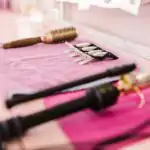
- Cosmetic Tools: These are hand-held implements or instruments used to perform specific tasks. They are typically non-electrical and require manual manipulation. Examples include combs, brushes, and scissors.
- Cosmetic Equipment: These are larger, often electrical or mechanical devices that facilitate various cosmetology procedures. They are usually stationary or semi-stationary and provide power or specific functions. Examples include hair dryers, steamers, and clippers.
- Cosmetic Materials: These are consumable products or substances that are applied to the client’s hair, skin, or nails during a beauty service. They are used up during the process and need to be replenished. Examples include shampoo, relaxer, hair cream, and water.
Cosmetic Tools Used in Cosmetology
Cosmetic tools are essential for precision and detail in various beauty treatments. Proper selection and hygiene are key for client safety and quality service.
- Combs: Used for detangling, parting, sectioning, and styling hair. Different types include wide-tooth combs for detangling wet hair and fine-tooth combs for precise parting.
- Brushes: Used for detangling, smoothing, styling, and applying products. Examples include paddle brushes for general styling, round brushes for adding volume, and styling brushes for specific looks.
- Scissors: Used for cutting, trimming, and shaping hair. Hairdressing scissors are specially designed for precise cuts and should be kept sharp and clean.
Cosmetic Equipment Used in Cosmetology
Cosmetic equipment enhances efficiency and allows for advanced treatments. Safe operation and regular maintenance are crucial.
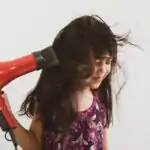
- Hand Dryers: Portable devices used to dry hair quickly, often used with styling brushes.
- Hair Dryers (Hood Dryers): Stationary equipment used to dry hair, especially after chemical treatments or setting, allowing for even heat distribution.
- Steamers: Used for deep conditioning treatments, opening hair cuticles to allow products to penetrate better, and for facial treatments.
- Clippers: Electric tools used for cutting hair, especially for short styles, fades, and precise lines. They come with various guards for different lengths.
Cosmetic Materials Used in Cosmetology
Cosmetic materials are the products applied to clients. Knowledge of their properties, correct application, and safety precautions is vital.
- Relaxer: A chemical product used to permanently straighten curly or kinky hair. Requires careful application and timing to prevent scalp burns or hair damage.
- Shampoo: Used to cleanse the hair and scalp, removing dirt, oil, and product buildup. Different shampoos cater to various hair types and conditions.
- Hair Conditioner: Applied after shampoo to moisturise, detangle, and improve the texture and manageability of hair.
- Hair Cream: A styling or treatment product used to moisturise, add shine, and hold a hairstyle.
- Water: Fundamental for washing, rinsing, mixing products, and various other cosmetology procedures.
Importance of Proper Handling, Hygiene, and Quality Standards
Professional beauty practice demands strict adherence to hygiene, safety, and quality standards to ensure client well-being and deliver excellent service.
- Client Care: Using clean and well-maintained tools and products shows respect for the client and ensures their comfort and safety.
- Hygiene: All tools and equipment must be thoroughly cleaned and sanitised after each use to prevent the spread of bacteria, fungi, and viruses. Materials should be stored correctly to maintain their integrity.
- Safe Tools and Products: Ensure tools are in good working condition (e.g., sharp scissors, undamaged electrical cords). Check product expiry dates and conduct patch tests for chemical treatments like relaxers to prevent adverse reactions.
- Respectful Conduct: Handling tools and products professionally and carefully demonstrates respect for the client and the profession.
- Basic Quality Standards: Adhering to proper procedures for cleaning, application, and storage ensures that services are of high quality and products perform as intended.
Teaching Methods/Instructional Techniques
Discussion, Demonstration, Guided Practice, Question and Answer, Explanation, Observation, Group Work, Practical Activity, ICT-based Research.
Instructional Procedures
Step 1: Introduction
Time: 5 minutes
Teaching Skill: Engaging/Recalling
Teacher’s Activity: The teacher greets the students and asks them to mention some items they use to style their hair at home or have seen used in a salon. The teacher then introduces the topic: “Cosmetics Tools, Equipment and Materials.”
Pupils’ Activity: Pupils respond by mentioning items like combs, brushes, shampoo, and hair cream. They listen attentively to the topic introduction.
Learning Point: Recalling hair care items
Step 2: Meaning of Terms
Time: 10 minutes
Teaching Skill: Explanation/Definition
Teacher’s Activity: The teacher explains the distinct meanings of cosmetic tools, equipment, and materials, providing initial examples for each. The teacher writes the definitions on the board.
Pupils’ Activity: Pupils listen, ask questions for clarity, and note down the definitions in their rough notebooks.
Learning Point: Defining cosmetic terms
Step 3: Identifying Cosmetic Items (ICT Research)
Time: 10 minutes
Teaching Skill: Guided Research/Information Literacy
Teacher’s Activity: The teacher guides students to use their ICT gadgets (smartphones, tablets) to search the internet for images and descriptions of various cosmetic tools, equipment, and materials. The teacher circulates to provide support and ensure appropriate searches.
Pupils’ Activity: Students actively search the internet, identifying different items and noting down their names and brief uses.
Learning Point: Sourcing cosmetic items
Step 4: Classifying Cosmetic Items (Group Brainstorm)
Time: 10 minutes
Teaching Skill: Group Facilitation/Classification
Teacher’s Activity: The teacher divides students into groups and provides each group with a list of various cosmetic items (some from the sourced items, some from instructional resources). The teacher guides them to brainstorm and classify these items into “tools,” “equipment,” and “materials” based on their uses and characteristics.
Pupils’ Activity: Students collaborate in their groups to classify the items, discussing their reasoning and preparing to present their classifications.
Learning Point: Classifying cosmetic items
Step 5: Presentation and Discussion
Time: 5 minutes
Teaching Skill: Discussion/Correction
Teacher’s Activity: The teacher invites each group to present their classification. The teacher facilitates a class discussion, correcting any misconceptions and reinforcing the correct classification of items, highlighting their uses and the importance of hygiene and safety.
Pupils’ Activity: Groups present their work. Pupils participate in the discussion, offering feedback and making corrections to their classifications.
Learning Point: Correcting classifications
Step 6: Practical Application
Time: 5 minutes
Teaching Skill: Demonstration/Practical Guidance
Teacher’s Activity: The teacher demonstrates the safe and hygienic handling of a few selected tools (e.g., comb, brush) and materials (e.g., shampoo) on a dummy head. The teacher guides students to briefly practice using a comb and brush on a dummy head or their own hair, focusing on basic styling and proper technique.
Pupils’ Activity: Pupils observe the teacher’s demonstration and then practice the basic use of a comb and brush, focusing on gentle handling and basic styling.
Learning Point: Practicing tool use
Step 7: Evaluation/Review
Time: 5 minutes
Teaching Skill: Questioning/Assessment
Teacher’s Activity: The teacher evaluates the learning by asking the following questions:
- What is the difference between a cosmetic tool and cosmetic equipment?
- Mention two examples of cosmetic materials.
- How would you classify a hair dryer: as a tool, equipment, or material? Why?
- Why is it important to clean cosmetic tools after each use?
Pupils’ Activity: Pupils answer orally and in writing.
Learning Point: Assessing lesson understanding
Step 8: Note-Taking
Time: 10 minutes
Teaching Skill: Guided Writing
Teacher’s Activity: The teacher guides pupils/students to copy the essential Board Summary notes on Cosmetics Tools, Equipment and Materials into their notebooks.
Pupils’ Activity: Pupils/students copy the notes carefully into their notebooks.
Learning Point: Recording lesson notes
Step 9: Conclusion
Time: 5 minutes
Teaching Skill: Summarising/Reinforcement
Teacher’s Activity: The teacher summarises the lesson by reiterating the importance of understanding and correctly using cosmetic tools, equipment, and materials for professional, hygienic, and safe cosmetology practices. The teacher encourages students to observe these items in real salons.
Pupils’ Activity: Pupils listen to the summary and ask any final questions.
Learning Point: Consolidating key concepts
Continuous Assessment/Further Study
Type: Homework/Further Reading
Instruction: Research and write short notes on the following:
- Identify five additional cosmetic tools not discussed in class and state their uses.
- Explain the safety precautions to observe when using electrical cosmetic equipment like hair clippers or steamers.
- Why is it important to check the expiry date of cosmetic materials before use?
Lesson Keywords
- Cosmetic Tools – Hand-held implements for specific tasks.
- Cosmetic Equipment – Larger, often electrical devices for beauty procedures.
- Cosmetic Materials – Consumable products applied during services.
- Hygiene – Practices to maintain health and prevent disease.
- Sanitisation – Reducing bacteria to safe levels.
Differentiation
Support: Provide visual aids like flashcards with names and pictures of tools, equipment, and materials for struggling learners. Pair them with more advanced students during group activities.
Extension: Challenge advanced learners to research the latest innovations in cosmetic equipment or materials and present their findings to the class.
Suggested Lesson Videos
For further understanding, students can search on YouTube for:

Community Join the conversation Open discussion +