

Note for teachers using this lesson plan
This lesson focuses on the critical link between nutrition and beauty. Teachers should prepare by gathering various food items, charts, and relevant videos or images to illustrate the concepts of balanced diet and malnutrition. Emphasise practical examples of how different nutrients affect skin, hair, nails, and eyes. By the end of the lesson, students should be able to clearly explain how a balanced diet contributes to overall beauty and identify key nutritional elements.
Class: SS 1
Term: First Term
Week: 10
Age: 15 years
Duration: 60 minutes
Subject: Beauty and Cosmetology
Curriculum Theme: Nutrition and its role in enhancing
Focal competence: Identifying key nutrients that directly enhance skin, hair and nail health
Key competencies/values: Critical Thinking; Research and Problem Solving; Problem Solving
Skills:
- Identifying different classes of food and balanced diet
Previous Lesson: Beauty through Nutrition, Food Classes and Balanced Diet
Topic: Beauty Through Nutrition: Importance Of Balanced Diet To Beauty
Subject Matter: Importance of balanced diet to beauty
Specific Objectives
By the end of the lesson, pupils/students should be able to:
Cognitive Domain
- Explain the importance of balanced diet on skin, hair, nails and eyes.
- Define a balanced diet and identify its components.
- Identify professional terminology related to beauty nutrition.
Affective Domain
- Appreciate the role of balanced diet in maintaining beauty and overall health.
- Participate actively in group discussions about nutrition and its impact.
Psychomotor Domain
- Identify various food items that contribute to a balanced diet.
- Analyse images and videos to differentiate between healthy and malnourished individuals.
Social Domain
- Collaborate effectively in group activities to discuss the effects of nutrition.
Reference Materials
The following resources were used in planning this lesson:
- 2025 New Revised Senior Secondary Education Curriculum (SSEC)
- Relevant State Unified Scheme of Work
- The HeadTeacher Scheme of work For The New Revised Senior Secondary Education Curriculum (SSEC)
- A suitable Beauty and Cosmetology textbook for SS 1
Instructional Materials
The teacher will teach this lesson with the aid of:
- Different food items e.g., rice, egg, beef, vegetable, fruits, milk, yam, beans etc.
- Charts and posters showing classes of food (carbohydrates, proteins, fats and oils, vitamins, minerals, water).
- Food web chain poster.
- Posters showing pictures of malnourished children and healthy children.
- Video clips demonstrating the effects of good and poor nutrition on physical appearance.
Rationale for the Lesson
This lesson is essential for students to understand that external beauty is deeply connected to internal health, primarily driven by nutrition. It provides foundational knowledge for future cosmetology professionals to advise clients holistically and promotes personal well-being through informed dietary choices. Understanding this link helps students appreciate the scientific basis of beauty care.
Prerequisite/Previous Knowledge
Students should have basic knowledge of food and nutrition, including the general concept of different food classes and their functions in the body, from their Junior Secondary School (JSS) science lessons.
Lesson Content/Board Summary
Beauty Through Nutrition: Importance Of Balanced Diet To Beauty
What is a Balanced Diet?
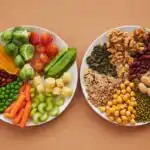
A balanced diet is a diet that contains adequate quantities of all the nutrients (carbohydrates, proteins, fats, vitamins, minerals, and water) in the correct proportions needed to maintain health, growth, and proper body function.
Classes of Food
The main classes of food essential for a balanced diet include:
- Carbohydrates: Provide energy (e.g., rice, yam, bread).
- Proteins: For growth, repair, and building body tissues (e.g., eggs, meat, beans).
- Fats and Oils: Provide concentrated energy and protect organs (e.g., groundnut oil, butter).
- Vitamins: Regulate body processes and protect against diseases (e.g., fruits, vegetables).
- Minerals: For strong bones, teeth, and various body functions (e.g., milk, leafy greens).
- Water: Essential for all body processes, hydration, and nutrient transport.
Importance of Balanced Diet for Beauty
A balanced diet significantly impacts various aspects of physical beauty:
Impact on Skin
The skin, being the largest organ, reflects internal health. A balanced diet ensures:
- Clear Complexion: Adequate intake of vitamins (A, C, E) and antioxidants helps fight free radicals, reducing acne and blemishes.
- Hydration and Elasticity: Sufficient water intake and healthy fats (omega-3) keep the skin hydrated, supple, and elastic, preventing dryness and premature wrinkles.
- Even Tone: Nutrients like Vitamin C aid in collagen production, which is vital for skin structure and an even skin tone.
- Reduced Inflammation: Anti-inflammatory foods reduce redness and irritation.
Impact on Hair
Hair health is directly linked to nutrient supply to the hair follicles:
- Strength and Growth: Proteins (keratin is a protein) are fundamental for hair structure. Iron, zinc, and biotin promote healthy hair growth and prevent breakage.
- Shine and Luster: Essential fatty acids contribute to healthy scalp oils, giving hair a natural shine.
- Scalp Health: Vitamins (especially B vitamins) and minerals support a healthy scalp environment, preventing issues like dandruff and excessive hair fall.
- Colour Maintenance: Certain nutrients can help maintain natural hair colour and prevent premature greying.
Impact on Nails
Nails are indicators of overall health, and their appearance is influenced by diet:
- Strength and Hardness: Proteins, biotin, iron, and zinc are crucial for strong, healthy nails, preventing brittleness, splitting, and breakage.
- Smoothness: Adequate nutrition ensures smooth nail plates, free from ridges or discolouration.
- Growth: Proper nutrient supply supports consistent and healthy nail growth.
Impact on Eyes
Nutrition plays a vital role in eye health and appearance:
- Brightness and Clarity: Vitamins A, C, E, and antioxidants protect eye tissues from damage, contributing to bright, clear eyes.
- Reduced Dark Circles: Proper hydration and nutrient intake can help reduce puffiness and dark circles under the eyes, which are often signs of fatigue or poor nutrition.
- Good Vision: Specific nutrients like Vitamin A (beta-carotene) are essential for maintaining good vision.
Professional Terminology in Beauty Nutrition
Beauty professionals often use specific terms when discussing nutrition:
- Macronutrients: Nutrients needed in large amounts (carbohydrates, proteins, fats).
- Micronutrients: Nutrients needed in smaller amounts (vitamins, minerals).
- Antioxidants: Substances that protect cells from damage by free radicals (e.g., Vitamin C, E, Beta-carotene).
- Collagen: A protein vital for skin elasticity and strength.
- Keratin: A protein that forms the main structure of hair and nails.
- Hydration: The process of supplying water to the body’s tissues.
- Malnutrition: A condition resulting from a diet that does not provide adequate nutrients.
Client/Workplace Context in Beauty and Cosmetology
In a beauty and cosmetology setting, understanding nutrition is crucial for:
- Holistic Advice: Providing clients with comprehensive advice that addresses underlying nutritional causes of beauty concerns (e.g., dull skin, brittle hair).
- Product Recommendation: Understanding how topical products complement internal nutrition for optimal results.
- Identifying Issues: Recognising signs of nutritional deficiencies or imbalances that may manifest as beauty problems.
- Client Education: Educating clients on the importance of diet for maintaining the results of beauty treatments.
Hygiene and Safety Considerations for Nutrition
When discussing or handling food in any context, hygiene and safety are paramount:
- Food Preparation: Ensuring food is washed, cooked, and prepared hygienically to prevent contamination.
- Food Storage: Storing food properly to maintain freshness and prevent spoilage.
- Cross-Contamination: Avoiding the transfer of harmful bacteria from one food item to another.
- Allergies: Being aware of common food allergies and sensitivities.
- Balanced Intake: Emphasising that even healthy foods should be consumed in moderation to avoid imbalances.
Basic Quality Indicators of Good Nutrition for Beauty
Observable signs that indicate a person is maintaining good nutrition for beauty include:
- Clear, Radiant Skin: Smooth texture, even tone, and a healthy glow.
- Strong, Lustrous Hair: Hair that is thick, shiny, and resistant to breakage.
- Healthy, Strong Nails: Smooth, hard nails that grow consistently without splitting or discolouration.
- Bright, Clear Eyes: Eyes that appear vibrant and free from excessive redness or dark circles.
- Overall Vitality: A general sense of energy and well-being.
Teaching Methods/Instructional Techniques
Discussion, Demonstration, Guided Practice, Question and Answer, Explanation, Observation, Group Work, Video Presentation, Poster Analysis.
Instructional Procedures
Step 1: Introduction
Time: 5 minutes
Teaching Skill: Engaging/Activating Prior Knowledge
Teacher’s Activity: The teacher greets the students and asks them to name some foods they ate for breakfast. The teacher then asks how they think these foods affect their appearance.
Pupils’ Activity: Pupils respond by naming foods and sharing their initial thoughts on how diet affects appearance.
Learning Point: Food and appearance link
Step 2: Exploring Balanced Diet
Time: 10 minutes
Teaching Skill: Explanation/Demonstration
Teacher’s Activity: The teacher defines a balanced diet and uses charts and posters showing the classes of food (carbohydrates, proteins, fats, vitamins, minerals, water) and various food items to explain each class and its importance. The teacher asks students to identify examples of each food class from the displayed items.
Pupils’ Activity: Pupils listen, observe the charts and food items, and identify different food classes and examples.
Learning Point: Definition and classes of food
Step 3: Video and Poster Analysis on Nutrition
Time: 10 minutes
Teaching Skill: Observation/Guided Discussion
Teacher’s Activity: The teacher guides students to watch videos and examine posters showing the importance of a balanced diet and its effects on malnutrition. The teacher points out visual differences between healthy and malnourished individuals.
Pupils’ Activity: Pupils watch the videos, observe the posters, and note the visual differences and effects of diet.
Learning Point: Effects of good and poor nutrition
Step 4: Group Discussion on Malnutrition
Time: 10 minutes
Teaching Skill: Facilitation/Group Work
Teacher’s Activity: The teacher divides students into groups and guides them to engage in a group discussion on the importance of avoiding malnutrition and the negative impact of a poor balanced diet on physical appearance and health, using the observed materials as reference.
Pupils’ Activity: Pupils discuss in groups, sharing observations and ideas about malnutrition and its effects.
Learning Point: Consequences of malnutrition
Step 5: Impact of Balanced Diet on Beauty
Time: 10 minutes
Teaching Skill: Explanation/Questioning
Teacher’s Activity: The teacher explains in detail how a balanced diet specifically impacts skin, hair, nails, and eyes, linking specific nutrients to their beauty benefits. The teacher uses examples from the food items and charts.
Pupils’ Activity: Pupils listen, ask questions, and relate the information to their own experiences.
Learning Point: Diet’s impact on beauty
Step 6: Professional Context and Quality Indicators
Time: 5 minutes
Teaching Skill: Explanation/Application
Teacher’s Activity: The teacher introduces relevant professional terminology, discusses the client/workplace context in beauty and cosmetology, and outlines basic quality indicators of good nutrition for beauty. The teacher also highlights hygiene and safety considerations.
Pupils’ Activity: Pupils listen and understand the professional application of nutritional knowledge in beauty.
Learning Point: Professional beauty nutrition context
Step 7: Evaluation/Review
Time: 5 minutes
Teaching Skill: Questioning/Assessment
Teacher’s Activity: The teacher evaluates the learning by asking the following questions:
- What is a balanced diet?
- Mention two classes of food and give an example for each.
- How does a balanced diet affect the health of your skin?
- Explain one way good nutrition impacts hair and nails.
- What are two quality indicators of good nutrition for beauty?
Pupils’ Activity: Pupils answer orally and in writing.
Learning Point: Understanding balanced diet importance
Step 8: Note-Taking
Time: 10 minutes
Teaching Skill: Guided Writing
Teacher’s Activity: The teacher guides pupils/students to copy the essential Board Summary notes, focusing on the definition of balanced diet and its importance to skin, hair, nails, and eyes, into their notebooks.
Pupils’ Activity: Pupils/students copy the notes carefully into their notebooks.
Learning Point: Recording key lesson points
Step 9: Conclusion
Time: 5 minutes
Teaching Skill: Reinforcement
Teacher’s Activity: The teacher summarises the lesson by reiterating that true beauty starts from within and a balanced diet is fundamental for healthy skin, hair, nails, and eyes. The teacher encourages students to make healthy food choices.
Pupils’ Activity: Pupils listen and reflect on the importance of nutrition for beauty.
Learning Point: Holistic beauty through nutrition
Continuous Assessment/Further Study
Type: Homework/Group Work
Instruction: In your groups, research and prepare a short report (one page maximum) on the specific nutrients (vitamins, minerals, proteins) that are most beneficial for:
- Preventing acne and promoting clear skin.
- Strengthening hair and promoting growth.
- Preventing brittle nails.
- Maintaining bright and healthy eyes.
Your report should also include examples of Nigerian foods rich in these nutrients.
Lesson Keywords
- Balanced Diet – A diet containing all necessary nutrients in correct proportions.
- Malnutrition – A condition caused by an inadequate or unbalanced diet.
- Nutrients – Substances in food that the body needs to grow, repair itself, and function properly.
- Collagen – A protein providing structure to skin, hair, and nails.
- Keratin – A protein that forms the main structural component of hair and nails.
- Antioxidants – Compounds that protect cells from damage by free radicals.
Differentiation
For students who need support: Provide simplified charts of food classes and their benefits. Pair them with stronger students for group activities and provide sentence starters for their reports. Focus on identifying key foods for each beauty aspect.
For students who need enrichment: Challenge them to research specific dietary plans (e.g., Mediterranean diet) and analyse how they contribute to beauty. Ask them to investigate the role of supplements versus whole foods for beauty benefits.

Community Join the conversation Open discussion +