

Class: Junior Secondary School 2 (JSS2, JSS 2)
Term: 2nd Term
Week: 9
Age: 13 years
Duration: 45 minutes
Subject: National Values Education
Curriculum Theme: Civic Education
Previous Lesson: Universal Consumer Rights and Their Importance
Topic: Consumer Rights And Responsibilities (Part 2)
Subject Matter: Responsibilities of Consumer – Be aware, Demand, Keep proof of transactions e.g. receipts, invoice, warranty etc….
Specific Objectives
By the end of the lesson, pupils should be able to:
- Cognitive Domain:
(a) Explain the responsibilities of consumers.
(b) State reasons why consumers should keep proof of transactions. - Affective Domain:
(a) Show willingness to demand proper receipts and invoices after purchases.
(b) Demonstrate positive attitudes towards being informed and cautious consumers. - Psychomotor Domain:
(a) Identify and interpret samples of receipts, invoices, and warranties.
(b) Practise how to properly store transaction documents. - Social Domain:
(a) Cooperate in group discussions on consumer responsibilities.
(b) Engage respectfully with others in analysing real-life consumer situations.
Reference Materials
The following resources was used in planning this lesson:
- 9 Years Basic Education Curriculum
- Lagos State Unified Scheme of Work for Junior Secondary Schools
- Alabama Cooperative Extension System – Know Your Consumer Rights and Responsibilities
- Relevant Textbooks
Instructional Materials
The teacher will teach this lesson with the aid of:
- Samples of receipts, invoices, and warranties
- Chart showing consumer responsibilities
- Pictures of different purchasing documents
- Whiteboard and markers
- Short video or poster on consumer protection
Rationale for the Lesson
Consumer education helps learners make informed decisions, avoid exploitation, and protect their rights during transactions.
Prerequisite/Previous Knowledge
Pupils have basic knowledge of consumer rights from previous lessons and have personal experiences purchasing items at home, school, or the market.
Lesson Content/Board Summary
Lesson Content
Consumer Rights and Responsibilities
Responsibilities of Consumers
Consumers have important duties to ensure safe, fair, and honest transactions. These responsibilities guide them to make wise decisions and protect themselves from fraud or loss.
The following are responsibilities of consumers:
- To be aware of products and services before buying.
- To demand accurate information from sellers.
- To keep proof of transactions such as receipts, invoices, and warranties.
- To read and understand product instructions and terms.
- To report unfair or deceptive practices to the right authorities.
Being Aware Before Buying
Being aware means learning about a product or service before making a purchase. It helps the consumer avoid mistakes and waste of money.
The following are ways consumers can be aware:
- Checking product quality and expiry dates.
- Comparing prices from different sellers.
- Asking questions about use, maintenance, and safety.
- Reading labels, manuals, and reviews.
Demanding Proper Transaction Records
Demanding records means asking the seller for official documents that show what was bought, when it was bought, and how much was paid.
The following are important transaction records consumers should demand:
- Receipt.
- Invoice.
- Warranty card.
- Delivery note (where applicable).
- Payment confirmation for digital transactions.
Keeping Proof of Transactions
Keeping transaction proof helps consumers in case of complaints, returns, repairs, or refunds.
The following are reasons consumers should keep transaction documents:
- It serves as evidence of purchase.
- It helps in resolving disputes with sellers.
- It is needed to claim warranty services.
- It helps track spending and budgeting.
- It protects the consumer from fraud.
Examples of Transaction Documents
Transaction documents are written proofs that a consumer has bought goods or services.
Examples include:
- Cash receipts.
- Sales invoices.
- Warranty certificates.
- Payment confirmation messages.
- Bank transfer alerts.
Teaching Methods/Instructional Techniques
Discussion, Explanation, Lecture, Storytelling, Question and Answer, Demonstration, Group Work, Use of Visual Aids.
Instructional Procedures
To deliver this lesson, the teacher will adopt the following steps:
Step 1: Introduction
Time: 5 minutes
Teaching Skill: Set Induction
Teacher’s Activity: The teacher narrates a short story of a student who bought a phone without collecting a receipt and later could not return it when it developed faults. The teacher links the story to the responsibilities of consumers.
Pupils’ Activity: Pupils listen and respond to the teacher’s questions.
Learning Point: Pupils understand the need for consumer responsibility.
Step 2: Explanation of Responsibilities Of Consumers
Time: 10 minutes
Teaching Skill: Explanation
Teacher’s Activity: The teacher explains the meaning of consumer responsibilities and lists them as shown in the board summary.
Pupils’ Activity: Pupils listen and ask questions for clarity.
Learning Point: Pupils learn the major responsibilities of consumers.
Step 3: Discussion of Awareness and Proper Demands
Time: 10 minutes
Teaching Skill: Discussion
Teacher’s Activity: The teacher discusses how consumers can be aware before buying and why they must demand receipts, invoices, and warranties.
Pupils’ Activity: Pupils participate actively in the discussion.
Learning Point: Pupils understand the importance of being aware and demanding documents.
Step 4: Examples and Handling of Transaction Documents
Time: 10 minutes
Teaching Skill: Demonstration
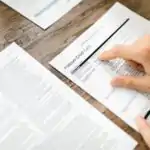
Teacher’s Activity: The teacher shows samples of receipts, invoices, and warranty cards, explaining each.
Pupils’ Activity: Pupils examine the samples and identify key details.
Learning Point: Pupils recognise different transaction documents.
Step 5: Note-Taking
Time: 3 minutes
Teaching Skill: Writing
Teacher’s Activity: The teacher guides pupils to copy the board summary.
Pupils’ Activity: Pupils copy notes into their notebooks.
Learning Point: Pupils acquire accurate lesson notes.
Step 6: Evaluation/Review
Time: 5 minutes
Teaching Skill: Questioning
Teacher’s Activity: The teacher evaluates the learning by asking the following questions:
- What are consumer responsibilities?
- List three reasons consumers should be aware before buying.
- Mention three transaction documents consumers should demand.
- Why should consumers keep proof of transactions?
- Give two examples of transaction documents.
Pupils’ Activity: Pupils answer the questions.
Learning Point: Pupils’ understanding of consumer responsibilities is confirmed.
Step 7: Conclusion
Time: 2 minutes
Teaching Skill: Reinforcement
Teacher’s Activity: The teacher summarizes the lesson and encourages pupils to practise responsible consumer behaviour.
Pupils’ Activity: Pupils listen and reflect on the lesson.
Learning Point: Pupils appreciate the value of being responsible consumers.
Lesson Keywords
- Consumer – A person who buys goods or services.
- Receipt – A document proving payment for goods or services.
- Invoice – A detailed list of items bought with their prices.
- Warranty – A written guarantee for repair or replacement.
- Transaction – An act of buying or selling.
Differentiation
Teacher supports slow learners with simpler examples and visual aids, while advanced learners analyse real transaction documents.
Note for teachers using this lesson plan
Use real-life examples and locally familiar purchase experiences to help pupils connect with the topic. Encourage them to practise collecting receipts during their daily purchases.


Community Join the conversation Open discussion +