

Class: Junior Secondary School 2 (JSS2, JSS 2)
Term: 1st Term
Week: 8-9
Age: 13 years
Duration: 45 minutes
Subject: National Values Education
Curriculum Theme: Civic Education
Previous Lesson:
Topic: National Values (Part 4)
Subject Matter: Courage: Meaning of courage, Types of courage – physical courage, moral courage and spiritual courage, Attributes of courageous persons: commitment, endurance, determination, steadfastness, diligence, etc, Examples of courageous people in Nigeria
Specific Objectives
By the end of the lesson, pupils should be able to:
- Cognitive Domain:
(a) Define courage in clear terms.
(b) Identify the types of courage and their examples.
(c) State the attributes of courageous persons. - Affective Domain:
(a) Appreciate the importance of courage in personal and national life.
(b) Show admiration for courageous people in Nigeria. - Psychomotor Domain:
(a) Role-play situations that demonstrate courage.
(b) Present examples of courageous acts through group presentations. - Social Domain:
(a) Work cooperatively in groups to identify and discuss courageous Nigerians.
(b) Respect and value the contributions of courageous individuals in society.
Reference Materials
The following resources was used in planning this lesson:
- 9 Years Basic Education Curriculum
- Lagos State Unified Scheme of work for Junior Secondary Schools
- Wikipedia – Courage
- Relevant Textbooks
Instructional Materials
The teacher will teach this lesson with the aid of:
- Charts showing key words like courage, determination, endurance
- Flash cards with attributes of courageous persons
- Pictures and short biographies of courageous Nigerians
- Whiteboard and marker
- Short video clips of courageous acts
Rationale for the Lesson
This lesson will help pupils understand courage as a vital value that strengthens character, promotes moral strength, and encourages positive actions for personal and national growth.
Prerequisite/Previous Knowledge
Pupils are familiar with other national values such as honesty, discipline, and integrity, and can relate these values to everyday life experiences.
Lesson Content/Board Summary
Courage
Courage is the ability to face fear, danger, pain, or difficulties with confidence and strength. It is a quality that helps individuals to remain firm and positive in the face of challenges.
Types of Courage
There are different forms of courage which people demonstrate in various situations.
The following are the types of courage:
- Physical Courage: This is the bravery to face physical challenges, pain, or danger such as illness, injury, or difficult conditions.
- Moral Courage: This is the ability to stand up for what is right, even when it is unpopular, risky, or brings criticism.
- Spiritual Courage: This is the inner strength to remain faithful and committed to spiritual beliefs and values, even in difficult times.
Attributes of Courageous Persons
A courageous person shows qualities that make them strong and admirable.
The following are attributes of courageous persons:
- Commitment to doing the right thing.
- Endurance in the face of difficulties.
- Determination to achieve set goals.
- Steadfastness in defending truth and justice.
- Diligence in carrying out duties.
- Confidence to face challenges without fear.
- Patience and perseverance.
Examples of Courageous People in Nigeria
Nigeria has produced men and women who displayed courage in different areas of life.
Examples include:
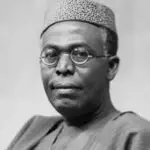
- Funmilayo Ransome-Kuti – for her courage in leading women to demand political and social rights.
- Herbert Macaulay – for his role in standing against colonial policies.
- Professor Dora Akunyili – for her courage in fighting against fake drugs in Nigeria.
- Gani Fawehinmi (SAN) – for his determination to defend the poor and oppressed through law.
- Chinua Achebe – for his boldness in using literature to speak truth to power.
Teaching Methods/Instructional Techniques:
Discussion, Lecture, Storytelling, Explanation, Group Work, Demonstration, Question and Answer
Instructional Procedures
To deliver this lesson, the teacher will adopt the following steps:
Step 1: Introduction
Time: 5 minutes
Teaching Skill: Set Induction
Teacher’s Activity: Teacher tells a short story of a Nigerian who acted courageously and asks pupils what they understand by courage.
Pupils’ Activity: Pupils listen and respond by sharing their ideas.
Learning Point: Pupils are motivated to learn about courage and its importance.
Step 2: Explanation of Courage
Time: 7 minutes
Teaching Skill: Explanation
Teacher’s Activity: Teacher defines courage and explains its meaning with relevant examples.
Pupils’ Activity: Pupils listen and repeat the definition.
Learning Point: Pupils understand the meaning of courage.
Step 3: Types of Courage
Time: 10 minutes
Teaching Skill: Discussion
Teacher’s Activity: Teacher explains the types of courage (physical, moral, and spiritual) using charts and examples.
Pupils’ Activity: Pupils listen, discuss in groups, and give examples.
Learning Point: Pupils identify and explain the different types of courage.
Step 4: Attributes and Examples of Courageous Persons
Time: 10 minutes
Teaching Skill: Storytelling and Explanation
Teacher’s Activity: Teacher explains the attributes of courageous persons and narrates examples of courageous Nigerians.
Pupils’ Activity: Pupils take notes and mention other courageous people they know.
Learning Point: Pupils understand the qualities of courageous people and appreciate real-life examples.
Step 5: Note-Taking
Time: 5 minutes
Teaching Skill: Explanation
Teacher’s Activity: Teacher dictates or writes the board summary for pupils to copy.
Pupils’ Activity: Pupils copy notes into their exercise books.
Learning Point: Pupils have a written record of the lesson.
Step 6: Evaluation/Review
Time: 5 minutes
Teaching Skill: Questioning
Teacher’s Activity: The teacher evaluates the learning by asking the following questions:
- What is courage?
- Mention three types of courage.
- List four attributes of a courageous person.
- Mention two courageous people in Nigeria.
Pupils’ Activity: Pupils answer the questions orally.
Learning Point: Pupils demonstrate understanding of the lesson objectives.
Step 7: Conclusion
Time: 3 minutes
Teaching Skill: Reinforcement
Teacher’s Activity: Teacher summarizes the lesson, reinforces the importance of courage, and encourages pupils to be courageous in life.
Pupils’ Activity: Pupils listen and reflect.
Learning Point: Pupils appreciate courage as a necessary value in life.
Lesson Keywords
- Courage – the ability to face fear or danger with confidence
- Endurance – ability to remain strong through difficulties
- Determination – firmness in pursuing a goal
- Steadfastness – standing firmly by a principle or belief
- Diligence – careful and persistent effort in work
Differentiation
Teacher simplifies explanations for slower learners, uses storytelling to aid understanding, and encourages advanced learners to lead group discussions.
Note for teachers using this lesson plan
Use real-life Nigerian examples to make the lesson relatable. Encourage students to share personal experiences of courage to build connection with the topic.


Community Join the conversation Open discussion +