

Class: Junior Secondary School 2 (JSS2, JSS 2)
Term: 2nd Term
Week: 6-7
Age: 13 years
Duration: 45 minutes
Subject: National Values Education
Curriculum Theme: Civic Education
Previous Lesson: Benefits of Rule of Law
Topic: Protection Of Human Rights And The Rule Of Law
Subject Matter: Ways of protecting human rights – Representing the affected person in court, Drawing attention to cases of human rights violation.
Specific Objectives
By the end of the lesson, pupils should be able to:
- Cognitive Domain:
(a) Explain the meaning of human rights protection.
(b) Identify major ways of protecting human rights in society. - Affective Domain:
(a) Show willingness to support just actions that protect people’s rights.
(b) Appreciate the importance of peaceful and lawful means of defending rights. - Psychomotor Domain:
(a) Demonstrate simple role-plays on protecting human rights.
(b) Participate in group discussions on reporting rights violations. - Social Domain:
(a) Cooperate with peers during group work on human rights issues.
(b) Demonstrate respect for the rights of others.
Reference Materials
The following resources was used in planning this lesson:
- 9 Years Basic Education Curriculum
- Lagos State Unified Scheme of Work for Junior Secondary Schools
- United Nations – Human Rights and the Rule of Law (https://www.un.org/ruleoflaw/thematic-areas/human-rights/)
- Relevant Textbooks
Instructional Materials
The teacher will teach this lesson with the aid of:
- A chart showing different human rights
- Newspaper clippings of rights violation reports
- Short video clip or images showing peaceful protests
- Whiteboard and markers
- Human rights flashcards
Rationale for the Lesson
To help learners understand lawful ways of protecting human rights and encourage responsible civic behaviour within the society.
Prerequisite/Previous Knowledge
Pupils have basic understanding of rights and responsibilities from earlier classes and everyday experiences at home, school, and community.
Lesson Content/Board Summary
Lesson Content
Protection of Human Rights and the Rule of Law
Meaning of Human Rights Protection
Human rights protection means taking actions that defend people from unfair treatment and ensure their fundamental freedoms are respected and upheld in society. It involves lawful measures that safeguard individuals from abuse, discrimination, or injustice.
These include:
- Ensuring fair treatment for all people.
- Preventing violation of people’s rights.
- Supporting victims of rights abuse.
- Promoting justice through legal and peaceful actions.
Representing the Affected Person in Court
This involves helping a victim of rights violation by providing legal assistance through a lawyer or legal organisation. Representation in court ensures the victim receives justice and fair hearing under the rule of law.
The following are ways this protects human rights:
- Seeking justice for victims.
- Ensuring the offender is held accountable.
- Preventing future violations through legal punishment.
- Giving victims confidence in the justice system.
Protest March
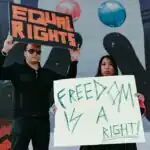
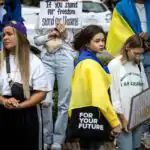
A protest march is a peaceful public movement where people walk together to show disapproval of rights violations. It draws attention to issues that need change.
These include:
- Creating awareness about the violation.
- Pressuring authorities to act.
- Showing solidarity with victims.
- Encouraging public participation in defending rights.
Media Coverage
Media coverage means using television, radio, newspapers, and online platforms to expose cases of human rights violations. It helps inform the public and puts pressure on leaders to correct injustices.
The following are the importance of media coverage:
- Bringing national attention to the problem.
- Encouraging public discussion.
- Assisting investigations.
- Protecting victims by exposing the offenders.
Strike
A strike occurs when employees stop working to demand their rights. It is a lawful way to protest unfair treatment or poor conditions when peaceful negotiation has failed.
Examples include:
- Workers refusing to work until rights are respected.
- Demanding better working conditions.
- Fighting against discrimination in workplaces.
- Calling for fair wages and treatment.
Teaching Methods/Instructional Techniques
Discussion, Lecture, Explanation, Storytelling, Questioning, Visual Aids, Group Work
Instructional Procedures
To deliver this lesson, the teacher will adopt the following steps:
Step 1: Introduction
Time: 5 minutes
Teaching Skill: Set Induction
Teacher’s Activity: The teacher narrates a short story of a student whose rights were violated and asks pupils how the issue could be solved.
Pupils’ Activity: Pupils listen and respond with possible solutions.
Learning Point: Pupils gain interest and connect the story to human rights protection.
Step 2: Meaning of Human Rights Protection
Time: 7 minutes
Teaching Skill: Explanation
Teacher’s Activity: The teacher explains the meaning of human rights protection and links it to the rule of law.
Pupils’ Activity: Pupils listen and ask questions.
Learning Point: Pupils understand the meaning of human rights protection.
Step 3: Ways of Protecting Human Rights
Time: 10 minutes
Teaching Skill: Discussion
Teacher’s Activity: The teacher discusses the major ways of protecting human rights, referencing the board summary (representation in court, protest march, media coverage, strike).
Pupils’ Activity: Pupils participate in the discussion.
Learning Point: Pupils identify and understand the main methods of protecting human rights.
Step 4: Practical Illustrations/Examples
Time: 10 minutes
Teaching Skill: Demonstration
Teacher’s Activity: The teacher shows newspaper clippings and short visual examples of peaceful protests and media reports.
Pupils’ Activity: Pupils observe and comment on the examples.
Learning Point: Pupils recognize real-life applications of human rights protection.
Step 5: Note-Taking
Time: 5 minutes
Teaching Skill: Writing
Teacher’s Activity: The teacher guides pupils to copy the board summary.
Pupils’ Activity: Pupils write notes.
Learning Point: Pupils retain key points from the lesson.
Step 6: Evaluation/Review
Time: 5 minutes
Teaching Skill: Questioning
Teacher’s Activity: The teacher evaluates the learning by asking the following questions:
- What is human rights protection?
- Mention two ways of protecting human rights.
- How does media coverage help protect human rights?
- What is a protest march?
- Give one example of a strike.
Pupils’ Activity: Pupils answer the questions.
Learning Point: The teacher checks pupils’ understanding.
Step 7: Conclusion
Time: 3 minutes
Teaching Skill: Reinforcement
Teacher’s Activity: The teacher summarizes the lesson and encourages pupils to always respect and defend human rights.
Pupils’ Activity: Pupils listen.
Learning Point: Pupils appreciate the need to protect human rights.
Lesson Keywords
- Human Rights – freedoms and entitlements of all people.
- Protection – actions taken to defend or safeguard something.
- Protest – peaceful public action to show disapproval.
- Media – channels of communication like TV, radio, newspaper.
- Strike – stopping work to demand rights.
Differentiation
Provide simplified explanations for slower learners, use visual aids for better understanding, and give advanced learners extra examples to analyse.
Note for teachers using this lesson plan
Use current local examples to make the lesson relatable. Encourage calm discussions on sensitive issues and create a safe space for pupils’ contributions.


Community Join the conversation Open discussion +