

Class: Primary Three
Term: First Term
Subject: National Values Education
Curriculum Theme: Civic Education
Previous lesson: Political and Legal Dimensions of Civic Education
Topic: Social Dimension of Civic education
Content/Learning Area: Defining national celebrations and their importance, Expressing gratitude for national celebrations, Demonstrating understanding of the importance of national celebrations
Time Allocation: 40 minutes
Performance Objectives
By the end of the lesson, pupils should be able too:
- Cognitive Domain:
– define national celebrations and their significance.
– Identify various national celebrations in Nigeria.
– Explain the importance of participating in national celebrations.
- Psychomotor Domain:
– Actively participate in classroom discussions about national celebrations.
– Demonstrate enthusiasm when discussing national celebrations.
- Affective Domain:
– Show appreciation for national celebrations.
– Express pride in Nigeria’s history and culture.
- Social Domain:
– Work collaboratively with peers in group activities.
– Respect diverse opinions and perspectives during discussions.
Reference Materials
- 9 – Years Basic Education Curriculum
- Abuja Educational Resource Center Scheme of Work
- NAPPS National Unified Scheme of Work
- Relevant Textbooks
Instructional Materials
To deliver this lesson, the teacher will use the following materials:
- Whiteboard or chart paper
- Markers or crayons
- Pictures or illustrations of national celebrations
Rationale for the Lesson
This lesson is crucial for instilling patriotism and a sense of national identity in young learners. Understanding national celebrations helps pupils connect with their country’s history and values, fostering a sense of belonging and civic duty.
Prerequisite/Previous knowledge
Lesson Content
Social dimension of Civic Education
The social dimension of civic education involves our collective participation in national celebrations that commemorate significant events in our country’s history. Understanding these events is critically important as they remind us of our rich heritage, honoring pivotal moments and the values we cherish.
Examples of Social activities:
These include:
- Independence Day: Celebrates Nigeria’s freedom from colonial rule on October 1st.
- Workers’ Day: Honors the contributions of workers every May 1st.
- Children’s Day: Recognizes and celebrates children’s rights and welfare on May 27th.
- Democracy Day: Marks Nigeria’s return to democratic rule on May 29th.
- Armed Forces Remembrance Day: Celebrated on January 15th to honor the sacrifices of nigerian soldiers.
- Nigeria’s Armed Forces Day: Commemorates the military’s role in preserving national security and peace.
- National Youth Service Corps (NYSC) Passing Out Parade: Celebrates the contributions of Nigerian youth to national advancement after completing their one-year service.
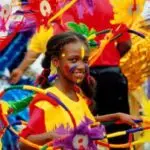
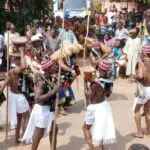
- Cultural Festivals: Events like the Argungu Fishing Festival, Durbar festival, and Eyo festival celebrate Nigeria’s rich cultural heritage and history.
- National day of Mourning: remembers victims of violence and conflict in nigeria, typically observed in May.
- Lagos @50: Celebrates the history and achievements of Lagos State on its 50th anniversary, often marked by cultural displays and events.
- Heroes’ day: Recognizes the achievements of notable Nigerian leaders and freedom fighters.
- New Yam festival: Celebrates the harvest of new yams, a staple food in many Nigerian communities, symbolizing abundance and gratitude.
- Eid-el-Kabir: A Muslim festival commemorating Prophet ibrahim’s willingness to sacrifice his son, symbolizing faith and obedience to God.
- Christmas Day: Celebrates the birth of Jesus Christ, observed by Christians with festive gatherings, gift-giving, and religious services.
Importance of Social Dimension of Civic Education:
the following are the importance of social dimension of civic education:
- Unity: These celebrations bring people together, fostering a united national spirit.
- Patriotism: They instill a sense of pride and loyalty to our country.
- Heritage: They preserve and honor our cultural heritage and national history.
- Values: They reinforce important values like freedom, democracy, and equality.
- National identity: It strengthens a shared sense of belonging and identity among citizens.
- Social Cohesion: Promotes understanding and cooperation among diverse ethnic and cultural groups.
- Civic Responsibility: Encourages active participation in civic duties, such as voting and community service.
- Awareness: Raises awareness of national issues, challenges, and the roles citizens can play in addressing them.
- Empowerment: Educates citizens on their rights and responsibilities, empowering them to contribute to society.
- Peacebuilding: Promotes peaceful coexistence by addressing social issues through dialog and education.
- Cultural preservation: Helps maintain and promote customary practices, languages, and art forms.
- Economic Development: Attracts tourism and investment, boosting local economies through cultural events and festivals.
- Global Recognition: Showcases Nigeria’s cultural diversity and achievements on the international stage.
- Educational Enrichment: Provides opportunities for learning about history,culture,and citizenship through interactive experiences.
Teaching Methods
To deliver this lesson, the teacher will adopt the following methods: Discussion, Question and answer, Use of visuals
instructional Procedures
to deliver this lesson, the teacher will adopt the following steps:
Step 1: Introduction
Time: 5 minutes
Teaching Skill: Set Induction
Teacher’s Activity: Asks pupils about their weekend activities and introduces the topic of national celebrations.
Pupils’ Activity: share their experiences and listen attentively to the introduction.
Step 2: Description of Key Concepts
Time: 10 minutes
Teaching Skill: Explaining
Teacher’s Activity: Explains the concept of the social dimension of civic education and its importance.
Pupils’ Activity: Listen attentively and ask clarifying questions.
Step 3: Exhibition/Guided Practice
Time: 10 minutes
Teaching Skill: Demonstrating
Teacher’s Activity: Shows pictures of various national celebrations and discusses their significance.
Pupils’ Activity: Observe and participate in the discussion.
Step 4: Independent Practice
Time: 5 minutes
Teaching Skill: Guiding
Teacher’s activity: Guides pupils in answering questions about national celebrations.Pupils’ Activity: Answer questions individually or in groups.
Step 5: note-Taking
Time: 5 minutes
Teaching Skill: Note-taking
Teacher’s Activity: Guides pupils in taking notes on key concepts.
Pupils’ Activity: Take notes on vital information.
Step 6: Evaluation/Review
Time: 5 minutes
teaching Skill: Evaluating
Teacher’s Activity: Reviews the lesson and answers any remaining questions.
Pupils’ activity: Participate in the review and ask questions.
Step 7: Conclusion
time: 5 minutes
Teaching Skill: Summarizing
Teacher’s Activity: Summarizes the key points and encourages pupils to continue learning about Nigeria’s rich history and culture by participating in future national celebrations.
Pupils’ Activity: Listen attentively and ask questions for clarification.
Lesson Keywords
- National Celebrations – Events that commemorate critically important moments in a country’s history.
- Civic Education – Learning about the rights and responsibilities of citizens.
- Patriotism – Love and loyalty to one’s country.
- Unity – The state of being united or joined as a whole.
- Heritage – The traditions, achievements, and beliefs that are part of a country’s history.
Lesson Evaluation
To evaluate the learning, the teacher asks pupils to:
- What are some important national celebrations in Nigeria?
- Why do we celebrate Independence Day?
- How do national celebrations help build unity in our country?
- Name three things we learn from celebrating our national history.
- Why is it important for children to participate in national celebrations?
Assignment/Homework
- List five national celebrations in Nigeria and explain why each one is important.
- Write a short paragraph about what Independence Day means to you.
- Draw a picture of your favorite national celebration and write a sentence about it.
Differentiation
- For slower learners: Provide one-on-one assistance and simplified explanations.
- For advanced learners: Encourage them to research and present on additional national celebrations.
- For visual/auditory/kinesthetic learners: Use visual aids, discussions, and hands-on activities to cater to different learning styles.
Note for Teachers
Encourage active participation by creating a supportive and inclusive classroom surroundings where pupils feel agreeable sharing their thoughts and experiences. Use real-life examples and visuals to make the lesson more engaging and relatable.


Community Join the conversation Open discussion +