

class: Primary Three
Term: Second Term
Subject: National Values Education
Curriculum Theme: Security Education
Previous Lesson: Criminal Behaviors, Exam Malpractice
Topic: Criminal Behaviors – burglary
Content/Learning Area: Meaning of Burglary, Importance of Respect, Safe Practices, community Role
Time Allocation: 40 minutes
Performance Objectives
By the end of the lesson, pupils should be able to:
- Cognitive domain:
- Define burglary.
- Explain the consequences of burglary.
- understand the importance of respecting others’ property.
- Discuss the role of the community in preventing burglary.
- Psychomotor Domain:
- Demonstrate safe practices to prevent burglary.
- Affective Domain:
- Show respect for others’ property.
- Develop a sense of obligation towards community safety.
- Social Domain:
- Cooperate with others in preventing burglary.
- Participate in community initiatives to enhance safety.
Reference Materials
9 – Years Basic Education Curriculum
Abuja Educational Resource centre Scheme of Work
NAPPS National Unified Scheme of Work
Relevant Textbooks
instructional Materials
To deliver this lesson, the teacher will use the following materials:
Whiteboard or chart paper
Markers or pens
Pictures or illustrations related to burglary and its prevention
Rationale for the Lesson
Understanding burglary is crucial for developing responsible citizenship. This lesson helps pupils understand the consequences of criminal actions and the importance of community involvement in crime prevention, fostering a sense of responsibility and safety.
Prerequisite/Previous knowledge
the teacher will begin by asking pupils to share their understanding of safety and security, leading into a discussion about protecting personal belongings and the concept of respecting others’ property.This will smoothly transition into the lesson on burglary.
Lesson Content
Criminal Behaviors – Burglary
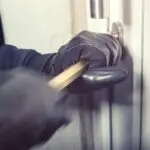
Burglary is unlawfully entering a building to commit a crime, usually theft or vandalism, when the owners are absent or unaware.
Meaning Of burglary
Burglary is a serious crime with severe consequences. It involves illegally entering someone’s property to steal or damage things.
consequences of Burglary
Burglary can have far-reaching negative impacts on individuals and communities. These include:
- Financial Loss: Burglars steal valuable items, causing financial hardship.
- Emotional Distress: Victims feel violated and unsafe.
- Damage to Property: Burglars may damage property during the crime.
- Fear and Anxiety: Burglary creates fear and anxiety in communities.
- Increased Insurance Rates: Victims may face higher insurance premiums after a burglary.
- Loss of Sentimental Items: Stolen items may include irreplaceable family heirlooms or personal mementos.
- Reduced Property Value: A history of burglaries in an area can decrease property values.
Importance of Respect
Respecting others’ property is vital for a peaceful society. Treat others’ belongings as you would want yours treated.
Safe practices
We can protect ourselves and our property from burglary by:
- Locking Doors and Windows: Always lock doors and windows securely.
- Using Security Systems: Install alarms, cameras, and motion detectors.
- Being Aware of Surroundings: Pay attention to your surroundings and report suspicious activity to the authorities.
- keeping Valuables Secure: Store valuable items in a safe place.
- Installing Security Lighting: Use motion-sensor lights to illuminate dark areas around your home.
- Trimming Landscaping: Keep bushes and trees trimmed to eliminate hiding spots for burglars.
- Informing Neighbors: Let trusted neighbors know when you will be away so they can keep an eye on your property.
Community Role
Communities play a vital role in preventing burglary by:
- Neighborhood Watch Programs: Residents become more vigilant and report suspicious activity.
- Community Policing: working with law enforcement improves interaction and cooperation.
- Public Awareness Campaigns: Educating the public about prevention techniques reduces crime.
- Improved Street Lighting: Adequate lighting deters criminals and makes neighborhoods safer.
- Community Clean-Up Events: Maintaining clean and well-kept neighborhoods reduces the perception of neglect and disorder.
- Supporting Youth Programs: Providing positive activities for young people reduces the likelihood of involvement in crime.
- Reporting Suspicious Activities: Encouraging residents to promptly report any unusual or suspicious behavior to the police.
Teaching Methods
To deliver this lesson, the teacher will adopt the following methods: Discussion, question and answer, Brainstorming, Visual aids.
Instructional Procedures
To deliver this lesson, the teacher will adopt the following steps:
Step 1: Introduction
Time: 5 minutes
Teaching Skill: Set Induction
Teacher’s Activity: Asks pupils about their understanding of safety and security, leading to a discussion about protecting belongings.
Pupils’ Activity: Participate in the discussion, sharing their ideas and experiences.
Step 2: Explanation of Key Concepts
Time: 10 minutes
Teaching Skill: Explanation
Teacher’s Activity: Defines burglary and explains its consequences using visual aids.
Pupils’ Activity: Listen attentively and ask clarifying questions.
Step 3: Demonstration of Safe Practices
Time: 10 minutes
Teaching Skill: Modeling
Teacher’s Activity: Demonstrates safe practices to prevent burglary, such as locking doors and windows.Pupils’ Activity: Observe the demonstration and participate in a guided practice session.
Step 4: autonomous Practice
Time: 5 minutes
Teaching Skill: Monitoring
Teacher’s Activity: Guides pupils as they work independently on a worksheet or activity related to burglary prevention.Pupils’ Activity: Complete the worksheet or activity.
Step 5: Note-Taking
Time: 5 minutes
Teaching Skill: Note-taking
Teacher’s Activity: guides pupils in summarizing key concepts and writing notes.
Pupils’ Activity: Take notes on the lesson.
Step 6: Evaluation/Review
time: 5 minutes
Teaching Skill: Questioning
Teacher’s Activity: Asks review questions to assess understanding.
Pupils’ activity: Answer the review questions.
Objective-aligned checks:
- Explain the consequences of burglary.
- Demonstrate safe practices to prevent burglary.
- Show respect for others’ property.
Step 7: Conclusion
Time: 0 minutes
Teaching Skill: Summarizing
Teacher’s Activity: Summarizes the key points, emphasizing the importance of respecting others’ property and practicing safe security measures to prevent burglary.
Pupils’ Activity: Listen attentively.
Lesson Keywords
Burglary – Unlawfully entering a building to commit a crime.
Respect – Showing consideration for others’ property. Security – Measures taken to protect property from harm.
Prevention – Actions taken to stop something from happening.
Community – A group of people living in the same area.
lesson Evaluation
To evaluate the learning, the teacher asks pupils to:
- What is burglary?
- What are the consequences of burglary?
- How can we show respect for others’ property?
- What are some ways to prevent burglary?
- How can the community help prevent burglary?
Assignment/Homework
- List three ways you can definitely help prevent burglary in your home.
- Explain why it is important to respect other people’s property.
- Describe what you would do if you saw someone acting suspiciously near your neighbor’s house.
Differentiation
For slower learners: Provide one-on-one assistance and simplified explanations.
For advanced learners: Encourage them to research additional burglary prevention strategies and present their findings to the class.
For visual/auditory/kinesthetic learners: Use visual aids, discussions, and hands-on activities to cater to different learning styles.
Note for Teachers
ensure to use real-life examples and scenarios to make the lesson relatable and engaging for the pupils. Emphasize the importance of community involvement and reporting suspicious activities to the appropriate authorities.


Community Join the conversation Open discussion +