

Class: Senior Secondary School 1 (SS1, SS 1, SSS1, SSS 1)
Term: 3rd Term
Week: 8
Age: 15 years
Duration: 45 minutes
Subject: Music
Curriculum Theme: Music
Previous Lesson: African Ensemble Group Playing: Folk Song and Starter Patterns.
Topic: Nigerian dance style and western dance style.
Subject Matter: Nigerian traditional dance styles, performance of traditional dances, features of social dance, kinds of music for social dance, costumes and set for social dance, performance of a social dance
Specific Objectives
By the end of the lesson, pupils should be able to:
Cognitive Domain:
- Define Nigerian traditional dance.
- Identify three features of social dance.
- Mention two kinds of music suitable for social dance.
- State two characteristics of costumes and sets for social dance.
Affective Domain:
- Appreciate the cultural significance of Nigerian traditional dances.
- Show interest in participating in various social dances.
Psychomotor Domain:
- Perform a simple Nigerian traditional dance step.
- Perform a basic social dance step with peers.
Social Domain:
- Collaborate with classmates during group dance activities.
- Interact respectfully while learning and performing different dance styles.
Reference Materials
The following resources were used in planning this lesson:
- 9 Years Basic Education Curriculum for Music (Senior Secondary Education).
- State Unified Scheme of Work for Music SSS 1.
- Basic Music for Senior Secondary Schools by E.O. Ogisi.
Instructional Materials
The teacher will teach this lesson with the aid of:
- Drums or a music player with appropriate dance music.
- Costume pieces (e.g., scarves, wrappers) to demonstrate traditional attire.
- An open dance space.
- Charts showing features of different dance styles.
Rationale for the Lesson
This lesson helps pupils understand and appreciate the rich diversity of dance, both within Nigeria and globally. Learning about different dance styles enables pupils to connect with their cultural heritage and engage in physical activity, promoting social interaction and self-expression.
Prerequisite/Previous Knowledge
Pupils have a basic understanding of music, rhythm, and movement, and may have observed or participated in various dances in their communities.
Lesson Content/Board Summary
Nigerian and Western Dance Styles
Nigerian Traditional Dance Styles
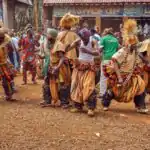
Nigerian traditional dances are deeply rooted in culture, history, and community life. They often tell stories, celebrate events, or are performed during rituals and ceremonies.
Characteristics of Nigerian traditional dances include:
- They are usually communal, involving groups of dancers.
- Movements are often vigorous, expressive, and symbolic.
- They are accompanied by traditional musical instruments like drums, gongs, and flutes.
- Costumes are typically vibrant and culturally specific.
Performance of Traditional Dances
Performing traditional dances involves understanding the specific steps, rhythms, and cultural context. Dancers often move in formation, responding to the lead drummer or singer.
Features of Social Dance
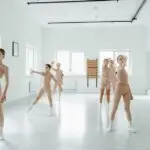
Social dance refers to dances primarily intended for recreation and social interaction. They are often less formal than traditional or theatrical dances.
The following are features of social dance:
- They are usually informal and performed in social gatherings.
- They can be performed individually, in pairs, or in groups.
- The primary goal is enjoyment and social interaction.
- Movements are generally simpler and easier to learn.
Kinds of Music for Social Dance
Social dances can be performed to a wide variety of music genres, depending on the social setting and preferences.
Examples of music for social dance include:
- Pop music
- Highlife
- Hip-hop
- Salsa
- Juju
- Afrobeat
Costumes and Set for Social Dance
Costumes for social dance are typically comfortable and allow for free movement. The set is usually an open space where dancers can move freely.
Characteristics of costumes and set for social dance:
- Costumes: Everyday clothing, comfortable shoes, and attire that does not restrict movement.
- Set: An open dance floor, hall, or any clear space where people can gather and dance.
Performance of a Social Dance
Performing a social dance involves moving to the rhythm of the music, often with basic steps and patterns. It emphasizes interaction and enjoyment rather than strict choreography.
Teaching Methods/Instructional Techniques
Discussion, Lecture, Demonstration, Question and Answer, Visual Aids
Instructional Procedures
Step 1: Introduction
Time: 5 minutes
Teaching Skill: Set Induction
Teacher’s Activity: The teacher greets the pupils and asks them to mention different types of dances they know or have seen. The teacher then introduces the topic: “Nigerian dance style and western dance style.”
Pupils’ Activity: Pupils respond by mentioning various dance types and listen attentively to the topic introduction.
Learning Point: Pupils are introduced to the lesson topic and connect with their prior knowledge of dances.
Step 2: Explanation of Nigerian Traditional Dance
Time: 10 minutes
Teaching Skill: Explanation/Lecture
Teacher’s Activity: The teacher explains what Nigerian traditional dances are, highlighting their cultural significance, common characteristics, and the types of instruments used. The teacher may show pictures or a short video clip of a traditional Nigerian dance.
Pupils’ Activity: Pupils listen, take notes, and ask questions for clarification.
Learning Point: Pupils understand the definition and key features of Nigerian traditional dance styles.
Step 3: Practical Performance of Traditional Dance
Time: 10 minutes
Teaching Skill: Demonstration/Practice
Teacher’s Activity: The teacher demonstrates a few basic steps or movements from a known Nigerian traditional dance. The teacher then guides pupils to practice these steps, using drums or a music player for rhythm.
Pupils’ Activity: Pupils observe the demonstration and actively participate in practicing the dance steps.
Learning Point: Pupils gain practical experience in performing Nigerian traditional dance movements.
Step 4: Explanation of Social Dance Features
Time: 5 minutes
Teaching Skill: Explanation/Discussion
Teacher’s Activity: The teacher explains the concept of social dance, distinguishing it from traditional dances. The teacher uses the dance feature charts to highlight key features such as informality, purpose (recreation), and general movements.
Pupils’ Activity: Pupils listen, observe the charts, and contribute to the discussion by sharing their understanding of social dances.
Learning Point: Pupils identify the main characteristics that define social dance.
Step 5: Kinds of Music, Costumes and Set for Social Dance
Time: 5 minutes
Teaching Skill: Elaboration/Questioning
Teacher’s Activity: The teacher discusses various kinds of music suitable for social dance, giving examples. The teacher also explains the typical costumes and set for social dance, emphasizing comfort and an open space. The teacher asks pupils for examples of social dance music.
Pupils’ Activity: Pupils listen, contribute examples of music, and understand the practical aspects of social dance environments.
Learning Point: Pupils learn about the diverse music genres and suitable settings for social dances.
Step 6: Practical Performance of Social Dance
Time: 5 minutes
Teaching Skill: Demonstration/Practice
Teacher’s Activity: The teacher plays a popular social dance tune and demonstrates some simple, common social dance steps. The teacher then encourages pupils to dance freely or follow simple guided steps, fostering a relaxed and interactive atmosphere.
Pupils’ Activity: Pupils participate in the social dance, practicing the basic steps and interacting with their peers.
Learning Point: Pupils experience and perform basic social dance movements.
Step 7: Evaluation/Review
Time: 5 minutes
Teaching Skill: Questioning/Assessment
Teacher’s Activity: The teacher evaluates the learning by asking the following questions:
- Define Nigerian traditional dance.
- Mention three features of social dance.
- List two kinds of music suitable for social dance.
- State two characteristics of costumes for social dance.
Pupils’ Activity: Pupils answer orally and in writing.
Learning Point: Pupils demonstrate understanding of the lesson.
Step 8: Conclusion
Time: 5 minutes
Teaching Skill: Summarization
Teacher’s Activity: The teacher summarizes the key learning points of the lesson, reiterating the differences and similarities between Nigerian traditional and Western social dance styles. The teacher encourages pupils to practice more dance steps at home.
Pupils’ Activity: Pupils listen attentively and ask any remaining questions.
Learning Point: Pupils consolidate their understanding of the lesson and are encouraged to continue exploring dance.
Lesson Keywords
- Traditional Dance – Dances that are part of the cultural heritage of a community, often with symbolic meanings and specific costumes.
- Social Dance – Dances primarily for recreation and social interaction, usually informal and performed in social gatherings.
- Choreography – The sequence of steps and movements in a dance.
- Rhythm – The pattern of sounds and silences in music, which guides dance movements.
- Costume – The attire worn by dancers, often specific to the dance style or cultural context.
Differentiation
For pupils who are struggling, the teacher will provide simplified dance steps and offer more individual guidance during practical sessions. Advanced pupils will be encouraged to lead sections of the practical activities or demonstrate more complex movements, and research different traditional dances from various Nigerian ethnic groups.
Note for teachers using this lesson plan
Ensure the dance space is clear and safe for movement. Encourage active participation from all pupils, regardless of their perceived dancing ability. Emphasize respect for cultural differences in dance styles. Music selection should be appropriate and engaging for the age group.

Community Join the conversation Open discussion +