

Class: Primary 6
term: 3rd Term
Week: 3
Age: 12 years
Duration: 40 minutes
Subject: Christian Religion Studies
Previous Lesson: Advantages Of Hard WorkCurriculum Theme: Christian Religion Studies
Previous Lesson:
Topic: Meaning Of Moderation
Content/Learning Area: Meaning Of Moderation
performance Objectives
By the end of the lesson, pupils should be able to:
Cognitive Domain: Explain the meaning of moderation as taught in the Bible.
Affective Domain: Appreciate the importance of living a moderate and balanced life.
Psychomotor Domain: Identify and act out examples of moderate behavior in school and at home.
Social Domain: Participate in class discussions on how to avoid excess in daily activities.
Reference Materials
The following resources were used in planning this lesson:
- 9 Years Basic Education curriculum
- Abuja Educational Resource Center Scheme of Work
- NAPPS National Unified Scheme of Work
- Online Details from: wikipedia – Moderation
- Relevant Textbooks
Instructional Materials
The teacher will teach this lesson with the aid of:
- Holy Bible
- Flash cards with bible verses
- Posters showing balanced daily habits
- A scale or balance image to demonstrate moderation
- chalkboard and chalk
Rationale for the Lesson
To help pupils understand the importance of moderation in behaviour, speech, and lifestyle as taught in the Bible.
prerequisite/Previous Knowledge
Pupils have basic understanding of good behaviour and can identify right and wrong actions in daily life.
Lesson Content
Meaning of Moderation
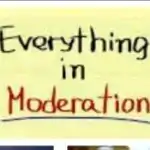
moderation is the act of doing things in the right amount. It means not eating too much, not talking too much, and not spending too much. The Bible teaches us to live in a way that shows control and discipline.
memory Verse: Let your moderation be known unto all men.The Lord is at hand. — Philippians 4:5
Bible Readings
- Philippians 4:5
- Titus 2:12
- Proverbs 25:16
- 1 Corinthians 9:25
Jesus and his followers lived moderate lives. They were not greedy or wasteful.Christians are expected to behave in a way that shows they are calm, content, and not selfish.
Importance of Moderation
The following are reasons why moderation is notable:
- Helps us to stay healthy
- Prevents greed and waste
- Brings peace and order
- Makes us good examples to others
- Helps us focus on God’s will
Examples of Moderate Behaviour
These include:
- Eating enough food without waste
- Playing without fighting or hurting others
- Speaking kindly without shouting
- Spending money wisely
- Dressing neatly without showing off
Teaching Methods
To deliver this lesson, the teacher will adopt the following methods: Discussion, clarification, Storytelling, Visual Aids, Role Play
Instructional Procedures
To deliver this lesson, the teacher will adopt the following steps:
Step 1: Introduction
Time: 5 mins
Teaching skill: Set induction
Teacher’s Activity: Tells a short story of a child who always eats too much and falls sick, then asks pupils what they think
Pupils’ Activity: Pupils listen, answer and share their thoughts
Learning Point: Builds interest and introduces topic
Step 2: Meaning of Moderation
Time: 8 mins
Teaching Skill: Explanation
Teacher’s Activity: Explains the meaning of moderation and relates it to daily activities like eating, talking, playing
Pupils’ activity: Pupils listen, ask questions and give more examples
Learning Point: Understands the meaning of moderation
Step 3: Bible Teaching on Moderation
Time: 8 mins
Teaching Skill: Storytelling
Teacher’s Activity: reads Bible verses and explains what they say about moderation
Pupils’ Activity: Pupils listen, follow along and read Bible verses
Learning Point: Learns what the Bible teaches about moderation
Step 4: Importance of Moderation
Time: 6 mins
Teaching Skill: Discussion
Teacher’s Activity: Discusses why moderation is important and lists reasons with examples
Pupils’ Activity: Pupils participate and wriet down key points
Learning Point: Learns the benefits of moderation
Step 5: Examples of Moderate Behaviour
Time: 4 mins
Teaching Skill: Role Play
Teacher’s Activity: Leads pupils in role play of moderate and immoderate actions
Pupils’ Activity: Pupils act out and identify correct behaviours
Learning Point: Applies lesson to real-life situations
Step 6: Note Taking
Time: 3 mins
Teaching Skill: Writing
Teacher’s Activity: Writes lesson summary on board for pupils to copy
Pupils’ Activity: Pupils copy notes into their books
Learning Point: Retains main ideas
Step 7: Evaluation
Time: 4 mins
Teaching Skill: assessment
Teacher’s Activity: Asks questions and gives tasks to check pupils’ understanding
Pupils’ Activity: Pupils answer and demonstrate examples
Learning Point: Confirms pupils’ learning
Step 8: Conclusion
Time: 2 mins
Teaching Skill: instructional, Social
Teacher’s Activity: Reviews the lesson, encourages pupils to live moderately and closes with a short prayer
Pupils’ Activity: Pupils repeat key points and respond with commitment to act moderately
Learning Point: Reinforces learning and moral values
Home Task: Write three lessons learned about Meaning Of Moderation and one suitable way to apply the teaching responsibly.
Lesson keywords
- Moderation – Doing things in the right and balanced way
- Greed – Wanting too much of something
- Self-control – Ability to stop yourself from doing too much
- Discipline – Obeying rules and doing the right thing
- Balanced – Equal or proper way of doing things
Lesson Evaluation
To evaluate the learning, the teacher asks pupils to:
- What is moderation?
- Mention one Bible verse that teaches moderation.
- Give two reasons why moderation is important.
- Mention two examples of moderate behaviour.
- Act out one example of being moderate.
Differentiation
Teacher will use pictures, Bible verses, and demonstrations to help slow learners and ESL pupils understand better.
Note for teachers using this lesson plan
Use real-life situations and age-appropriate examples to make the concept of moderation relatable. Encourage honesty and personal reflection from pupils.



Community Join the conversation Open discussion +