

Class: Senior Secondary School 1 (SS1, SS 1, SSS1, SSS 1)
Term: 2nd Term
Week: 7
Age: 15 years
Duration: 45 minutes
Subject: Home Management
Curriculum Theme: Home Management
Previous Lesson: Family Clothing: Household Linen and Textile Identification.
Topic: Fabric construction
Subject Matter: Methods of fabric construction including weaving, braiding, knitting, crocheting, and felting; practical demonstration of weaving, knitting, and crocheting skills; album of different fabrics.
Specific Objectives
By the end of the lesson, pupils should be able to:
Cognitive Domain:
- Define fabric construction.
- List and explain at least three methods of fabric construction.
- Identify different types of fabrics based on their construction method.
Affective Domain:
- Appreciate the skill and effort involved in fabric construction.
- Show interest in learning practical fabric construction techniques.
Psychomotor Domain:
- Demonstrate simple weaving, knitting, or crocheting techniques.
- Start or produce an album of different fabrics.
Social Domain:
- Collaborate with peers when identifying fabrics or practicing techniques.
Reference Materials
The following resources were used in planning this lesson:
- 9 Years Basic Education Curriculum for Home Economics.
- State Unified Scheme of Work for Senior Secondary Schools.
- Home Management for Senior Secondary Schools by A.O. Alabi.
Instructional Materials
The teacher will teach this lesson with the aid of:
- Charts showing different fabric construction methods.
- Tools for fabric production such as looms, knitting needles, crochet hooks.
- Yarn, threads, and other materials for practical demonstration.
- Samples of various fabrics (e.g., woven, knitted, felted).
Rationale for the Lesson
This lesson helps pupils understand how the clothes they wear and other textiles are made. Learning about fabric construction methods enables them to appreciate the work involved and helps them make informed choices when buying or using fabrics in their daily lives.
Prerequisite/Previous Knowledge
Pupils have basic knowledge of different types of fabrics and their uses in the home.
Lesson Content/Board Summary
Fabric Construction
Definition of Fabric Construction
Fabric construction refers to the various methods and processes used to create a fabric from fibres or yarns. It involves interlacing, interlooping, or compacting fibres to form a stable material.
Methods of Fabric Construction
The following are common methods of fabric construction:
- Weaving: This is a method of fabric construction where two distinct sets of yarns or threads are interlaced at right angles to form a fabric. One set of yarns runs lengthwise (warp) and the other crosswise (weft).
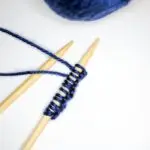
- Knitting: This method involves interlooping a single yarn or thread to form a fabric. Knitting can be done by hand using needles or by machine.
- Crocheting: Similar to knitting, crocheting involves using a single yarn and a hook to create interlocking loops. It typically produces a denser fabric than knitting.
- Braiding: This method involves interlacing three or more strands of yarn or fibres diagonally to form a narrow, flat, or round fabric. Braiding is often used for cords, trims, and decorative items.
- Felting: This non-woven method involves matting, condensing, and pressing fibres together using moisture, heat, and pressure. Animal fibres like wool are commonly used for felting.
Practical Demonstration of Weaving, Knitting, and Crocheting
Practical demonstration helps pupils understand the basic techniques involved in these construction methods. Simple tools and yarns can be used to show the fundamental steps.
Album of Different Fabrics
An album of different fabrics is a collection of fabric samples, each identified by its construction method, fibre content, and common uses. It serves as a visual reference for pupils to recognise and differentiate various fabrics.
Teaching Methods/Instructional Techniques
Discussion, Lecture, Demonstration, Question and Answer, Visual Aids
Instructional Procedures
Step 1: Introduction
Time: 5 minutes
Teaching Skill: Set Induction
Teacher’s Activity: The teacher greets the pupils and asks them to name some items of clothing they are wearing. The teacher then asks how they think these fabrics are made.
Pupils’ Activity: Pupils respond by naming clothes and offering ideas on fabric production.
Learning Point: Pupils are introduced to the concept of how fabrics are made.
Step 2: Definition and Introduction to Methods
Time: 7 minutes
Teaching Skill: Explanation/Discussion
Teacher’s Activity: The teacher defines fabric construction and introduces the various methods, writing them on the board. The teacher uses charts to show visual examples of constructed fabrics.
Pupils’ Activity: Pupils listen, take notes, and observe the charts.
Learning Point: Pupils understand the definition of fabric construction and are aware of different methods.
Step 3: Discussion of Weaving and Braiding
Time: 7 minutes
Teaching Skill: Explanation/Illustration
Teacher’s Activity: The teacher explains weaving and braiding in detail, using diagrams or simple demonstrations with strips of paper or yarn to illustrate how threads are interlaced. The teacher mentions common products made by these methods.
Pupils’ Activity: Pupils listen, ask questions, and observe the illustrations.
Learning Point: Pupils understand the principles of weaving and braiding.
Step 4: Discussion of Knitting, Crocheting, and Felting
Time: 7 minutes
Teaching Skill: Explanation/Comparison
Teacher’s Activity: The teacher explains knitting, crocheting, and felting, highlighting the differences in how loops are formed or fibres are matted. The teacher shows samples of knitted, crocheted, and felted fabrics.
Pupils’ Activity: Pupils listen, observe the fabric samples, and differentiate between the methods.
Learning Point: Pupils learn about knitting, crocheting, and felting as fabric construction methods.
Step 5: Practical Demonstration
Time: 8 minutes
Teaching Skill: Demonstration/Practical Activity
Teacher’s Activity: The teacher performs a simple demonstration of weaving on a small loom, or knitting/crocheting using yarn and needles/hook. The teacher encourages pupils to watch closely and asks for volunteers to try a few steps.
Pupils’ Activity: Pupils observe the demonstration and some may attempt the basic techniques.
Learning Point: Pupils gain practical insight into how fabrics are constructed.
Step 6: Discussion on Fabric Album
Time: 3 minutes
Teaching Skill: Assignment/Guidance
Teacher’s Activity: The teacher explains the importance of an album of different fabrics and gives instructions for pupils to start creating their own, collecting samples and identifying their construction methods.
Pupils’ Activity: Pupils listen to the instructions and understand the task of creating a fabric album.
Learning Point: Pupils understand the value of a fabric album for learning and reference.
Step 7: Evaluation/Review
Time: 5 minutes
Teaching Skill: Questioning/Assessment
Teacher’s Activity: The teacher evaluates the learning by asking the following questions:
- What is fabric construction?
- Mention three methods of fabric construction.
- Briefly explain the difference between weaving and knitting.
- Why is it important to know different fabric construction methods?
Pupils’ Activity: Pupils answer orally and in writing.
Learning Point: Pupils demonstrate understanding of the lesson.
Step 8: Conclusion
Time: 3 minutes
Teaching Skill: Summarization
Teacher’s Activity: The teacher summarises the key points of the lesson, reiterating the definition of fabric construction and the various methods discussed. The teacher assigns homework to collect three fabric samples for their album.
Pupils’ Activity: Pupils listen to the summary and note down the homework.
Learning Point: Pupils consolidate their learning and prepare for future tasks.
Lesson Keywords
- Fabric Construction – The process of making fabric from fibres or yarns.
- Weaving – Interlacing two sets of yarns (warp and weft) at right angles.
- Knitting – Interlooping a single yarn to form a fabric.
- Crocheting – Using a hook to create interlocking loops from a single yarn.
- Braiding – Interlacing three or more strands diagonally.
- Felting – Matting and pressing fibres together using moisture, heat, and pressure.
Differentiation
For pupils who grasp concepts quickly, the teacher can encourage them to research more complex fabric construction methods or design a simple woven pattern. For those needing more support, the teacher will provide closer guidance during the practical demonstration and offer simpler fabric samples for their album.
Note for teachers using this lesson plan
Ensure all instructional materials, especially tools and yarn for practical demonstration, are ready before the lesson. Encourage pupils to bring their own samples for the fabric album to make the learning more hands-on and relatable. Safety precautions should be observed when handling any sharp tools.


Community Join the conversation Open discussion +