

Class: Senior Secondary School 1 (SS1, SS 1, SSS1, SSS 1)
Term: Second Term
Week: 5
Age: 15 years
Duration: 45 minutes
Subject: Home Management
Curriculum Theme: Home Management
Previous Lesson: Cooking Equipment: Selection, Care and Cleaning Practical.
Topic: Cooking terms and techniques/methods
Subject Matter: Cooking terms such as dice, chop, shredding, blanching and filleting; cooking methods including boiling, frying and stewing; advantages of each cooking method; disadvantages of each cooking method; guidelines for using cooking methods; practical preparation of simple dishes using different methods.
Specific Objectives
By the end of the lesson, pupils should be able to:
Cognitive Domain:
- Define common cooking terms such as dicing, chopping, shredding, blanching, and filleting.
- List various cooking methods including boiling, frying, and stewing.
- State at least two advantages and two disadvantages of each cooking method.
- Mention important guidelines for using different cooking methods.
Affective Domain:
- Appreciate the importance of using correct cooking terms and methods for quality food preparation.
- Develop an interest in experimenting with different cooking techniques.
Psychomotor Domain:
- Demonstrate basic cutting techniques like dicing, chopping, and shredding.
- Prepare a simple dish using at least one of the discussed cooking methods (boiling, frying, or stewing).
Social Domain:
- Collaborate effectively with peers during practical cooking activities.
Reference Materials
The following resources were used in planning this lesson:
- 9 Years Basic Education Curriculum for Home Economics.
- State Unified Scheme of Work for Senior Secondary School 1 Home Management.
- Anyanwu, A. (2018). Home Economics for Senior Secondary Schools 1-3. Learn Africa Plc.
Instructional Materials
The teacher will teach this lesson with the aid of:
- Charts illustrating cooking terms and methods.
- Various cooking tools (e.g., chopping board, knives, pots, frying pan).
- Ingredients for simple dishes (e.g., vegetables, eggs, oil, water, spices).
Rationale for the Lesson
This lesson helps pupils understand the correct language and techniques used in cooking. Knowing these terms and methods allows pupils to follow recipes accurately and prepare food safely and effectively in their daily lives.
Prerequisite/Previous Knowledge
Pupils have basic knowledge of kitchen utensils and general food items.
Lesson Content/Board Summary
Cooking Terms and Methods
Cooking Terms
Cooking terms are specific words used to describe various actions or processes in food preparation.
The following are common cooking terms:
- Dice: To cut food into small, uniform cubes, typically about 1/4 to 1/2 inch in size.
- Chop: To cut food into smaller, irregular pieces. The size is usually larger than diced pieces.
- Shredding: To cut food into long, thin strips, often using a grater or a knife.
- Blanching: A cooking process where food, usually vegetables or fruits, is plunged into boiling water for a short period, then removed and plunged into iced water to stop the cooking process.
- Filleting: The process of removing the bones from meat or fish to create a lean cut.
Common Cooking Methods
Cooking methods are techniques used to apply heat to food to make it palatable, safe, and digestible.
The following are common cooking methods:
- Boiling: Cooking food by submerging it in rapidly bubbling hot water or other liquids.
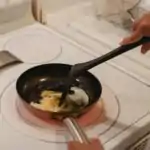
- Frying: Cooking food in hot oil or fat. This can be shallow frying (using a small amount of fat) or deep frying (submerging food completely in hot fat).
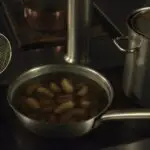
- Stewing: Cooking food slowly in a small amount of liquid, usually in a covered pot, over low heat.
Advantages and Disadvantages of Cooking Methods
Each cooking method has specific benefits and drawbacks.
Boiling:
- Advantages:
- Simple and requires minimal fat.
- Suitable for tenderizing tough foods.
- Disadvantages:
- Can lead to nutrient loss if water is discarded.
- Food may become bland if not seasoned well.
Frying:
- Advantages:
- Imparts a crisp texture and rich flavour.
- Quick cooking method.
- Disadvantages:
- Adds extra fat and calories to food.
- Requires careful temperature control to avoid burning.
Stewing:
- Advantages:
- Tenderizes tough cuts of meat and vegetables.
- Retains nutrients and flavours in the cooking liquid.
- Disadvantages:
- Long cooking time is required.
- Food may appear less appealing if overcooked.
Guidelines for Using Cooking Methods
Proper guidelines ensure safety and quality in cooking.
The following are important guidelines:
- Always use clean cooking tools and utensils.
- Ensure proper ventilation when frying to avoid smoke buildup.
- Use appropriate temperatures for each cooking method to prevent burning or undercooking.
- Monitor food closely during cooking to prevent overcooking or drying out.
- Practice good hygiene, such as washing hands before and after handling food.
Teaching Methods/Instructional Techniques
Discussion, Lecture, Demonstration, Question and Answer, Visual Aids
Instructional Procedures
Step 1: Introduction
Time: 5 minutes
Teaching Skill: Set Induction
Teacher’s Activity: The teacher greets the pupils and asks them about their experiences preparing simple meals at home. The teacher then introduces the topic by highlighting the importance of knowing correct cooking terms and methods.
Pupils’ Activity: Pupils share their experiences and listen attentively to the teacher’s introduction.
Learning Point: Pupils are engaged and understand the relevance of the lesson.
Step 2: Presentation of Cooking Terms
Time: 7 minutes
Teaching Skill: Explanation/Demonstration
Teacher’s Activity: The teacher explains and demonstrates various cooking terms like dicing, chopping, shredding, blanching, and filleting, using charts and actual ingredients where possible. The teacher clarifies any misconceptions.
Pupils’ Activity: Pupils observe the demonstration, ask questions, and take notes.
Learning Point: Pupils understand and can identify different cooking terms.
Step 3: Discussion of Common Cooking Methods
Time: 7 minutes
Teaching Skill: Explanation/Discussion
Teacher’s Activity: The teacher explains the common cooking methods: boiling, frying, and stewing. The teacher describes how each method works and provides examples of food typically prepared using each method.
Pupils’ Activity: Pupils listen, contribute to the discussion, and note down the definitions and examples.
Learning Point: Pupils can differentiate between boiling, frying, and stewing.
Step 4: Advantages and Disadvantages of Cooking Methods
Time: 7 minutes
Teaching Skill: Explanation/Analysis
Teacher’s Activity: The teacher leads a discussion on the advantages and disadvantages of boiling, frying, and stewing. The teacher encourages pupils to think critically about the health implications and practicalities of each method.
Pupils’ Activity: Pupils share their ideas, compare the methods, and record the points.
Learning Point: Pupils understand the pros and cons of different cooking methods.
Step 5: Guidelines for Using Cooking Methods
Time: 5 minutes
Teaching Skill: Instruction/Safety
Teacher’s Activity: The teacher discusses important guidelines for using each cooking method, emphasizing safety, hygiene, and proper technique. The teacher highlights potential hazards and how to avoid them.
Pupils’ Activity: Pupils listen to the guidelines, ask questions for clarification, and note down key safety points.
Learning Point: Pupils learn about safe and effective practices in cooking.
Step 6: Practical Demonstration/Activity
Time: 7 minutes
Teaching Skill: Demonstration/Guided Practice
Teacher’s Activity: The teacher demonstrates the preparation of a simple dish (e.g., boiled egg, simple fried vegetable, or stew) using one of the discussed methods. Pupils are guided to practice basic cutting techniques or simple steps of the preparation.
Pupils’ Activity: Pupils observe the demonstration, ask questions, and participate in the guided practical activity.
Learning Point: Pupils gain practical experience in applying cooking terms and methods.
Step 7: Evaluation/Review
Time: 5 minutes
Teaching Skill: Questioning/Assessment
Teacher’s Activity: The teacher evaluates the learning by asking the following questions:
- Define the cooking terms “dice” and “blanching.”
- List three common cooking methods discussed today.
- State two advantages of boiling and two disadvantages of frying.
- Mention two important guidelines to follow when using any cooking method.
Pupils’ Activity: Pupils answer orally and in writing.
Learning Point: Pupils demonstrate understanding of the lesson.
Step 8: Conclusion
Time: 2 minutes
Teaching Skill: Summarization
Teacher’s Activity: The teacher summarizes the key points of the lesson, reiterating the importance of proper cooking terms and methods for successful food preparation. The teacher assigns homework: research other cooking methods not discussed in class.
Pupils’ Activity: Pupils listen to the summary and copy down the homework.
Learning Point: Pupils reinforce their understanding and are encouraged to explore further.
Lesson Keywords
- Dice – To cut food into small, uniform cubes.
- Chop – To cut food into smaller, irregular pieces.
- Shredding – To cut food into long, thin strips.
- Blanching – Briefly cooking food in boiling water then plunging it into ice water.
- Filleting – Removing bones from meat or fish.
- Boiling – Cooking food in rapidly bubbling hot liquid.
- Frying – Cooking food in hot oil or fat.
- Stewing – Cooking food slowly in a small amount of liquid.
Differentiation
For visual learners, the teacher will use detailed charts and live demonstrations. Kinesthetic learners will benefit from the practical activity. For pupils who grasp concepts quickly, they will be encouraged to assist peers during the practical session. Struggling learners will receive additional individual guidance during the practical and question-and-answer sessions.
Note for teachers using this lesson plan
Ensure all necessary cooking tools and ingredients are prepared before the lesson, especially for the practical demonstration. Emphasize kitchen safety rules throughout the practical activity. Encourage pupils to actively participate and ask questions to foster a deeper understanding of the concepts.

Community Join the conversation Open discussion +