

Class: Senior Secondary School 1 (SS1, SS 1, SSS1, SSS 1)
Term: 3rd Term
Week: 12
Age: 15 years
Duration: 45 minutes
Subject: Home Management
Curriculum Theme: Home Management
Previous Lesson: Simple Home Maintenance: Wash Basins and Bulb Replacement.
Topic: Home repair and maintenance
Subject Matter: importance of home repair and maintenance, benefits of regular maintenance, prevention of damage through timely repairs
Specific Objectives
By the end of the lesson, pupils should be able to:
Cognitive Domain:
- Define home repair and home maintenance.
- List three reasons for the importance of home repair and maintenance.
- State four benefits of regular home maintenance.
- Explain two ways to prevent damage through timely repairs.
Affective Domain:
- Appreciate the need for regular home repair and maintenance.
- Develop an interest in practical home care activities.
Psychomotor Domain:
- Identify common tools used for basic home repairs.
- Suggest simple methods for preventing common home damages.
Social Domain:
- Encourage collaborative efforts in maintaining a clean and functional home environment.
Reference Materials
The following resources were used in planning this lesson:
- 9 Years Basic Education Curriculum for Home Economics.
- State Unified Scheme of Work for Senior Secondary Schools.
- Adamu, H. D. (2018). Comprehensive Home Management for Senior Secondary Schools. Learn Africa Publications.
Instructional Materials
The teacher will teach this lesson with the aid of:
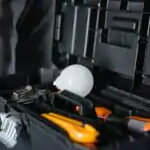
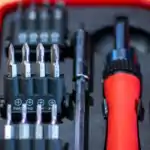
- A toolbox with common repair items (e.g., hammer, screwdriver, pliers).
- Examples of objects needing minor repair or maintenance (e.g., a loose door hinge, a leaky tap).
- Whiteboard/Chalkboard and markers/chalk.
Rationale for the Lesson
This lesson helps pupils understand the practical steps involved in keeping their homes in good condition. It enables them to recognize why regular care is important for safety, comfort, and saving money in the long run.
Prerequisite/Previous Knowledge
Pupils have a basic understanding of cleanliness and general care of household items from previous lessons.
Lesson Content/Board Summary
Home Repair and Maintenance
Definition of Home Repair and Maintenance
Home repair involves fixing broken or damaged parts of a house to restore them to good working condition. Examples include fixing a leaky tap, mending a broken window, or repairing a faulty electrical switch.
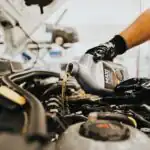
Home maintenance involves routine activities carried out regularly to keep the house and its facilities in good condition and prevent damage. Examples include cleaning gutters, lubricating door hinges, or checking electrical appliances.
Importance of Home Repair and Maintenance
The following are reasons why home repair and maintenance are important:
- It ensures the safety and well-being of occupants by preventing hazards.
- It preserves and can increase the monetary value of the property over time.
- It prevents minor issues from escalating into major, more costly problems.
- It maintains a comfortable, functional, and pleasant living environment.
- It helps in saving money by avoiding expensive replacements and repairs in the future.
Benefits of Regular Maintenance
Regular home maintenance offers the following benefits:
- It increases the lifespan of household structures, appliances, and furniture.
- It enhances the aesthetic appeal and overall look of the home.
- It can reduce energy consumption, especially for well-maintained appliances and insulation.
- It ensures the proper and efficient functioning of utilities like plumbing and electrical systems.
- It contributes to a healthier living environment by preventing issues like mold growth or pest infestations.
Prevention of Damage Through Timely Repairs
Damage can be prevented through timely repairs in the following ways:
- Fixing small leaks in pipes, roofs, or faucets immediately prevents extensive water damage, mold growth, and structural weakening.
- Repairing cracked walls or foundations early stops them from worsening and leading to major structural instability.
- Addressing faulty electrical wiring or outlets promptly prevents fire hazards and electrical shocks.
- Replacing worn-out parts of appliances (e.g., filters, seals) before they fail completely prevents breakdown and extends their usability.
- Clearing blocked gutters and downspouts regularly prevents water overflow, which can damage roofs, walls, and foundations.
Teaching Methods/Instructional Techniques
Discussion, Lecture, Demonstration, Question and Answer, Visual Aids
Instructional Procedures
Step 1: Introduction
Time: 5 minutes
Teaching Skill: Set Induction
Teacher’s Activity: The teacher greets the pupils and asks them to recall any minor repairs they have seen being done in their homes or school. The teacher then introduces the topic: Home Repair and Maintenance, relating it to the pupils’ experiences.
Pupils’ Activity: Pupils respond to the teacher’s questions and listen attentively.
Learning Point: Pupils are prepared for the lesson and understand the relevance of the topic.
Step 2: Definition of Home Repair and Maintenance
Time: 8 minutes
Teaching Skill: Explanation/Definition
Teacher’s Activity: The teacher defines home repair and home maintenance, using simple examples to differentiate between the two concepts. The teacher writes the definitions on the board.
Pupils’ Activity: Pupils listen, take notes, and ask questions for clarification.
Learning Point: Pupils understand the definitions of home repair and maintenance.
Step 3: Importance of Home Repair and Maintenance
Time: 8 minutes
Teaching Skill: Explanation/Discussion
Teacher’s Activity: The teacher leads a discussion on why home repair and maintenance are important, guiding pupils to list reasons such as safety, property value, and preventing bigger problems. The teacher highlights key points on the board.
Pupils’ Activity: Pupils contribute to the discussion, share their ideas, and copy notes from the board.
Learning Point: Pupils identify and understand the importance of home repair and maintenance.
Step 4: Benefits of Regular Maintenance
Time: 7 minutes
Teaching Skill: Elaboration/Listing
Teacher’s Activity: The teacher explains the specific benefits of regular home maintenance, such as increasing lifespan of items, enhancing appearance, and ensuring proper functioning of utilities. The teacher lists these benefits on the board.
Pupils’ Activity: Pupils listen, ask questions, and take down the listed benefits.
Learning Point: Pupils can state the benefits of regular home maintenance.
Step 5: Prevention of Damage Through Timely Repairs
Time: 7 minutes
Teaching Skill: Demonstration/Illustration
Teacher’s Activity: The teacher explains how timely repairs prevent damage, using the instructional materials (e.g., showing a loose hinge and explaining how tightening it prevents the door from falling off). The teacher encourages pupils to suggest other examples.
Pupils’ Activity: Pupils observe the demonstration, contribute ideas, and listen to the explanations.
Learning Point: Pupils understand practical ways to prevent damage through timely repairs.
Step 6: Evaluation/Review
Time: 5 minutes
Teaching Skill: Questioning/Assessment
Teacher’s Activity: The teacher evaluates the learning by asking the following questions:
- What is the difference between home repair and home maintenance?
- Mention three reasons why home repair and maintenance are important.
- State four benefits of regular home maintenance.
- Explain two ways to prevent damage in a home through timely repairs.
Pupils’ Activity: Pupils answer orally and in writing.
Learning Point: Pupils demonstrate understanding of the lesson.
Step 7: Conclusion
Time: 5 minutes
Teaching Skill: Summarization/Reinforcement
Teacher’s Activity: The teacher summarizes the main points of the lesson, emphasizing the overall importance of keeping the home in good condition. The teacher gives pupils an assignment to identify three areas in their homes that need minor repair or maintenance.
Pupils’ Activity: Pupils listen to the summary and copy the assignment.
Learning Point: The lesson is consolidated, and pupils are encouraged to apply their learning.
Lesson Keywords
- Home repair – Fixing broken or damaged parts of a house.
- Maintenance – Routine activities to keep a home in good condition.
- Prevention – Actions taken to stop something from happening or getting worse.
- Timely repairs – Fixing problems quickly before they become severe.
Differentiation
The teacher will provide additional support to pupils who struggle with understanding the concepts by using simpler language and more visual aids. Advanced pupils will be encouraged to research specific home repair techniques and present their findings to the class.
Note for teachers using this lesson plan
Teachers should ensure to use practical examples relevant to the pupils’ local environment. Encourage pupils to share their personal experiences with home repair and maintenance to make the lesson more engaging and relatable. Safety precautions should be discussed when talking about hands-on repairs.

Community Join the conversation Open discussion +