

Class: Primary Three
Term: Second Term
Subject: National Values Education
Curriculum Theme: Social Studies
Previous Lesson: First Aid to Road Accident Victims
Topic: Transportation
Content/Learning Area: What is Transportation?, Importance of transportation, Ancient Means of Transportation, Modern Means of Transportation, Teamwork in Transportation
Time Allocation: 40 minutes
Performance Objectives
By the end of the lesson, pupils should be able to:
- Cognitive Domain:
1. Define transportation.
2. List two importance of transportation.
3. Identify two examples of ancient means of transportation.
4. Identify two examples of modern means of transportation.
- Psychomotor Domain:
1.Participate actively in class discussions.
- Affective Domain:
1. Develop an thankfulness for the role of transportation in society.
- Social Domain:
1. Recognize the importance of teamwork in transportation.
Reference Materials
- 9 – Years Basic Education Curriculum
- Abuja Educational Resource Center Scheme of Work
- NAPPS National Unified Scheme of work
- Relevant Textbooks
Instructional Materials
To deliver this lesson, the teacher will use the following materials:
- whiteboard or chart paper
- Markers or crayons
- Pictures or illustrations of different modes of transportation
Rationale for the Lesson
Understanding transportation is crucial for pupils to grasp how societies function and how goods and people move. This knowledge is essential for their daily lives and future studies.
Prerequisite/Previous Knowledge
The teacher will start by asking pupils what they use to travel to school. This will led into a discussion about different ways people and things move from one place to another,setting the stage for the lesson on transportation.
Lesson Content
What is Transportation?
transportation is simply moving people, animals, or things from one place to another.It includes manny different ways, from walking to using airplanes.
Importance of Transportation
Transportation plays a vital role in connecting people, facilitating trade, and providing access to essential services. The following are some importance of transportation:
- Connecting People and Places: Transportation lets us visit family, friends, and new places.
- facilitating Trade and Commerce: Moving goods helps the economy grow.
- Providing Access to Essential Services: We can get to hospitals and schools more easily.
- Promoting Social Interaction: Transportation helps us meet new people.
- Enabling Tourism and Recreation: People can explore new destinations and enjoy leisure activities.
Ancient Means of Transportation
Ancient means of transportation were the earliest methods used by people to move themselves and goods over land and water. Examples are:
- carts pulled by animals: Goods and people where moved on land.
- Boats powered by oars: Used for water travel, fishing, and trade.
- Horse-drawn carriages: For longer journeys.
- Walking: The most common way to travel long ago.
- Rafts: Simple floating platforms used to navigate rivers and lakes.
Modern Means of Transportation
Modern means of transportation involve advanced technologies that enable faster and more efficient movement of people and goods. These include:
- Cars and automobiles: Common personal transport.
- Trains and railways: for long-distance travel and moving goods.
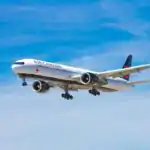
- Airplanes: Fast travel across continents.
- Bicycles: A healthy and lasting way to travel short distances.
- Ships: for moving goods and people across oceans.
- Motorcycles: Provide speedy and efficient personal transport, especially in urban areas.
Teamwork in Transportation
Many people work together to make transportation happen. Pilots, flight attendants, and ground crew all work together to make sure a flight is safe. Train drivers, conductors, and maintenance workers also work as a team.
Teaching Methods
To deliver this lesson, the teacher will adopt the following methods: Discussion, Question and answer, Use of pictures and illustrations.
Instructional Procedures
To deliver this lesson, the teacher will adopt the following steps:
Step 1: Introduction (Set Induction)
Time: 5 minutes
Teaching Skill: Questioning
Teacher’s Activity: Ask pupils how they get to school and what other ways people travel.Pupils’ Activity: Respond to the teacher’s questions,sharing their experiences.
Step 2: Clarification of Key Concepts
Time: 10 minutes
Teaching Skill: Explaining
Teacher’s Activity: Define transportation and explain its importance.
pupils’ Activity: Listen attentively and ask clarifying questions.
Step 3: Demonstration/Guided Practice
Time: 10 minutes
Teaching Skill: Demonstrating
Teacher’s Activity: Show pictures of ancient and modern means of transportation, explaining their uses.
Pupils’ Activity: Observe the pictures and participate in discussions.
Step 4: Self-reliant Practice
Time: 5 minutes
Teaching Skill: Monitoring
Teacher’s Activity: Ask pupils to list examples of ancient and modern transportation.
Pupils’ Activity: Work individually or in pairs to complete the task.
step 5: Note-Taking
Time: 5 minutes
Teaching Skill: Guiding
Teacher’s Activity: guide pupils in taking notes on key concepts.
Pupils’ Activity: Write down important points in their notebooks.
Step 6: Evaluation/Review
Time: 5 minutes
Teaching Skill: Assessing
Teacher’s Activity: Ask review questions to assess understanding.
Pupils’ Activity: Answer the review questions.
Objective-aligned checks:
- Define transportation.
- List two importance of transportation.
- Identify two examples of ancient means of transportation.
Step 7: Conclusion
Time: 5 minutes
Teaching Skill: Summarizing
Teacher’s Activity: Summarize the key points about transportation and its importance, emphasizing the role of teamwork.
Pupils’ Activity: Listen to the summary and ask any remaining questions.
Lesson Keywords
- Transportation – The movement of people, animals, or goods from one place to another.
- Ancient Transportation – Old methods of moving people and goods, like carts and boats.
- Modern Transportation – New ways of moving people and goods, like cars and airplanes.
- Teamwork – when people work together to achieve a common goal.
Lesson Evaluation
To evaluate the learning, the teacher asks pupils to:
- What is transportation?
- Why is transportation important?
- Name two ancient ways of traveling.
- Name two modern ways of traveling.
- How do people work together in transportation?
Assignment/Homework
- Draw your favorite mode of transportation.
- List three ways transportation helps your community.
Differentiation
- For slower learners: Provide one-on-one support and use simpler language.
- For advanced learners: Encourage them to research and present on a specific type of transportation.
- For visual/auditory/kinesthetic learners: Use pictures, discussions, and hands-on activities to cater to different learning styles.
Note for Teachers
Encourage pupils to share their personal experiences with different modes of transportation to make the lesson more engaging. Use real-life examples to illustrate the importance of transportation in their daily lives.


Community Join the conversation Open discussion +