

Class: Pre-School Level 4
Term: Third Term
Week: 1
Age: 5 years
Duration: 30 minutes
Subject: Personal Development
Curriculum Theme: Personal Development
Previous Lesson: Not specifically stated in the scheme, but pupils have learned various personal development concepts in the first term.
Topic: Third-Term Revision of First-Term Personal Development
Subject Matter: Revision. Weekly focus: Third-Term Revision of First-Term Personal Development.
Specific Objectives
By the end of the lesson, pupils should be able to:
Cognitive Domain
- Recall their personal information such as name and age.
- Identify good personal hygiene habits like handwashing and teeth brushing.
- Name common good manners such as greeting and saying “thank you.”
- Recognise different feelings like happy and sad.
Affective Domain
- Show enthusiasm in recalling previously learned personal development concepts.
- Appreciate the importance of good habits and manners.
Psychomotor Domain
- Demonstrate proper handwashing steps.
- Role-play simple greetings and polite phrases.
- Show facial expressions for different feelings.
Social Domain
- Participate actively in group discussions and activities.
- Interact politely with the teacher and peers during role-play.
Reference Materials
- NAPPS National Unified Teaching Scheme for Pre-School Level 4
- Relevant Early Childhood Care and Education resources
Instructional Materials
- Notebook (as specified in seed)
- Picture cards showing children performing hygiene habits (e.g., washing hands, brushing teeth)
- Picture cards showing different facial expressions (happy, sad, angry)
- Small mirror
- Chart displaying polite words (e.g., “Good morning,” “Please,” “Thank you”)
Rationale for the Lesson
This lesson is crucial for Pre-School Level 4 pupils as it reinforces foundational personal development concepts learned earlier in the academic year. Revisiting these topics helps children consolidate their understanding of self-awareness, personal hygiene, good manners, and emotional expression, which are essential for their overall well-being and social integration.Prerequisite/Previous Knowledge
Pupils have previously learned about their personal identity, basic hygiene practices, good manners, and how to express simple feelings during the first term.Lesson Content/Board Summary
Third-Term Revision of First-Term Personal Development
Today, we are revising important things we learned about ourselves and good habits!
1. Knowing Myself
- My name is _______________.
- I am __________ years old.
- I am a boy/girl.
It’s important to know who you are!
2. Personal Hygiene (Keeping Clean)
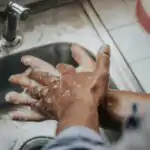
- Washing hands: Before eating, after playing, after using the toilet.
- Bathing: Every day to stay clean and fresh.
- Brushing teeth: In the morning and at night to keep teeth strong.
Being clean keeps us healthy!
3. Good Manners (Polite Words and Actions)
- Greetings: “Good morning,” “Good afternoon,” “Good evening.”
- Saying “Please”: When you ask for something.
- Saying “Thank you”: When you receive something.
- Saying “Excuse me”: When you want to pass or interrupt politely.
Good manners show respect!
4. Expressing Feelings
- Happy: When you are joyful or pleased. (Show a smile!)
- Sad: When you are unhappy or upset. (Show a frown!)
- Angry: When you are very annoyed. (Show a stern face!)
It’s okay to feel different ways, and it’s good to talk about them.
Key Words
- Revision – to look over and remember what we learned before.
- Hygiene – keeping ourselves clean.
- Manners – polite ways of acting and speaking.
- Feelings – what we feel inside, like happy or sad.
What the Teacher Should Show or Draw
- Display picture cards of children washing hands, brushing teeth, and bathing.
- Show picture cards of children greeting each other and saying “please” or “thank you.”
- Demonstrate facial expressions for happy, sad, and angry.
Good Habits Song
Tune: “Twinkle, Twinkle Little Star”
Wash your hands and brush your teeth,
Every morning, every week.
Say “Please” and “Thank you” too,
Good manners are for me and you.
Happy, sad, or feeling blue,
Tell a grown-up, it helps you!
Actions: Mimic washing hands, brushing teeth, making polite gestures, and showing happy/sad faces.
How to use the rhyme: Sing the song together after discussing hygiene and manners to reinforce the concepts in a fun way. Encourage pupils to do the actions.
Watch and Learn About Good Habits
Let’s watch a short video about good habits and how to be a good friend!
Teaching Methods/Instructional Techniques
Play-based Learning, Demonstration, Guided Practice, Songs and Rhymes, Picture Talk, Question and Answer, Role-play, Repetition, Practical Activity.Instructional Procedures
Step 1: Introduction
Time: 3 minutes
Teaching Skill: Engagement/Recap
Teacher’s Activity: The teacher greets the pupils warmly and reminds them that it’s the third term. She explains that they will be revising some important things they learned about themselves and good habits from the first term.
Pupils’ Activity: Pupils respond to greetings and listen attentively to the teacher’s introduction.
Learning Point: Pupils are prepared for the revision lesson.
Step 2: Revising “Knowing Myself”
Time: 5 minutes
Teaching Skill: Questioning/Recall
Teacher’s Activity: The teacher asks pupils to state their full names and ages. She encourages them to tell if they are a boy or a girl. She might ask a few pupils to stand and share their information with the class.
Pupils’ Activity: Pupils take turns stating their names, ages, and gender. They listen to their classmates.
Learning Point: Pupils recall and state their basic personal information.
Step 3: Revising Personal Hygiene
Time: 5 minutes
Teaching Skill: Demonstration/Discussion
Teacher’s Activity: The teacher displays picture cards of children washing hands, bathing, and brushing teeth. She asks pupils to identify each activity and explain why it is important. She guides them to demonstrate simple handwashing steps.
Pupils’ Activity: Pupils identify the hygiene activities, explain their importance, and mimic handwashing actions.
Learning Point: Pupils recall and demonstrate good personal hygiene habits.
Step 4: Revising Good Manners
Time: 5 minutes
Teaching Skill: Role-play/Modelling
Teacher’s Activity: The teacher shows a chart with polite words like “Good morning,” “Please,” “Thank you.” She models how to use these words in simple situations (e.g., greeting someone, asking for a crayon, receiving a book). She then encourages pupils to role-play these scenarios.
Pupils’ Activity: Pupils repeat polite words and participate in short role-play scenarios with the teacher or peers.
Learning Point: Pupils recall and practice using polite words and good manners.
Step 5: Revising Expressing Feelings
Time: 4 minutes
Teaching Skill: Visual Cues/Discussion
Teacher’s Activity: The teacher shows picture cards of different facial expressions (happy, sad, angry). She asks pupils to identify each feeling and make the corresponding face using a small mirror if available. She discusses simple reasons why someone might feel that way.
Pupils’ Activity: Pupils identify the feelings, make the facial expressions, and share simple reasons for feeling happy or sad.
Learning Point: Pupils recognise and express different feelings.
Step 6: Song and Video Reinforcement
Time: 3 minutes
Teaching Skill: Reinforcement/Visual Learning
Teacher’s Activity: The teacher leads the pupils in singing the “Good Habits Song” with actions. Afterwards, she plays the short educational video about good habits and being a good friend, encouraging pupils to watch and learn.
Pupils’ Activity: Pupils sing along with actions and watch the video attentively.
Learning Point: Pupils reinforce their understanding of personal development concepts through song and video.
Step 7: Evaluation/Review
Time: 4 minutes
Teaching Skill: Questioning/Assessment
Teacher’s Activity: The teacher checks pupils’ understanding through short questions and practical tasks.
- “What is your name and age?”
- “Show me how you wash your hands properly.”
- “What do you say when someone gives you something?”
- “Make a happy face!”
Pupils’ Activity: Pupils respond orally and demonstrate the required skill where appropriate.
Learning Point: Pupils demonstrate understanding of the lesson.
Step 8: Conclusion
Time: 1 minute
Teaching Skill: Summary/Praise
Teacher’s Activity: The teacher praises the pupils for their active participation and for remembering so many important things. She reminds them to always practice good habits and manners.
Pupils’ Activity: Pupils respond to the teacher’s praise and promise to practice good habits.
Learning Point: Pupils feel encouraged and motivated to maintain good personal development habits.
Lesson Keywords
- Name – what we are called.
- Age – how many years old we are.
- Clean – not dirty.
- Polite – showing good manners.
- Happy – feeling joyful.
Differentiation
- Support: For pupils who struggle to recall information, the teacher can provide more direct prompts (e.g., “Is your name [name]?” “Are you [age] years old?”). Use hand-over-hand guidance for demonstrating hygiene steps. Pair slower learners with more confident peers during role-play.
- Extension: For quicker learners, the teacher can ask them to identify another good habit or polite word not discussed, or to explain *why* a particular habit is important in a slightly longer sentence. They can also lead a short role-play scenario.
Community Join the conversation Open discussion +