

Class: Primary 6Term: 3rd Term
Week: 8
Age: 11 yearsDuration: 45 minutes
Subject: Asusu Igbo
Curriculum Theme: Nigerian Language
Previous Lesson: Ilu Dị Mfe, Omenala Ndị Igbo Pụtara Ihe N’Ilu.
Topic: Omenala: Ịchọ Mma
Subject Matter: Ụzọ ndị Igbo si achọ mma n’oge gboo, ụzọ ndị Igbo si achọ mma n’oge ugbu a, ntụnyere ịchọ mma Igbo na nke bekee, ịtụlerikọta ọdịiche na ihe yiri ibe ha
Specific Objectives
By the end of the lesson, pupils should be able to:
Cognitive Domain:
- Identify ways Igbo people adorned themselves in the past.
- Identify ways Igbo people adorn themselves in the present.
- Compare Igbo traditional adornment with modern Western adornment.
- Discuss the differences and similarities between Igbo and Western adornment.
Affective Domain:
- Appreciate the cultural significance of Igbo adornment.
- Show interest in preserving Igbo cultural practices related to beautification.
Psychomotor Domain:
- Draw or describe examples of Igbo adornment.
- Participate actively in class discussions.
Social Domain:
- Collaborate with peers to discuss cultural practices.
- Share personal views respectfully about cultural adornment.
Reference Materials
The following resources were used in planning this lesson:
- 9 Years Basic Education Curriculum (Asusu Igbo)
- State Unified Scheme of Work (Asusu Igbo)
- Igbo Kwenu! Akwụkwọ Asụsụ Igbo maka ụlọ akwụkwọ praịmarị 5
Instructional Materials
The teacher will teach this lesson with the aid of:
- Foto ejiji ọdịnala (Pictures of traditional attire)
- Foto ejiji modern (Pictures of modern attire)
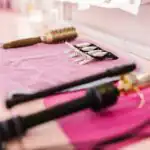
- Grooming tools comparison (Comparison of grooming tools)
- Kaadị ntụnyere (Comparison cards)
- Whiteboard/Chalkboard
- Chalk/Markers
Rationale for the Lesson
This lesson helps pupils understand how Igbo people have beautified themselves over time. It teaches them about their cultural heritage and how it compares with other cultures. This understanding helps pupils appreciate their identity and respect cultural differences.
Prerequisite/Previous Knowledge
Pupils should have some basic knowledge of Igbo culture and customs related to appearance.
Lesson Content/Board Summary
Omenala: Ịchọ Mma (Culture: Adornment/Beautification)
Ụzọ ndị Igbo si achọ mma n’oge gboo (Ways Igbo people adorned themselves in the past)
N’oge gboo, ndị Igbo ji ụzọ dị iche iche achọ onwe ha mma. Ebumnuche ha bụ igosi ọdịnala, ọkwa, na ịma mma.
Ụzọ ndị Igbo si achọ mma n’oge gboo bụ:
- Ise Uli: Ise ihe dị iche iche n’ahụ na ụkwụ.
- Ite Agụ: Ite ebe agụ n’ahụ ụmụ nwanyị.
- Ime Ntutu Isi: Ime ụdị ntutu isi dị iche iche dị ka Aja, Koriko, wdg.
- Iyi Olulu na Mgbaaka: Iyi olulu n’olu na mgbaaka n’aka.
- Iyi Odudu: Iyi odudu n’úkwù.
- Iyi Oku: Iyi oku n’olu.
- Iyi Akwa Oji: Iyi akwa oji ma ọ bụ akwa e ji ákwà ọdịnala mee.
Ụzọ ndị Igbo si achọ mma n’oge ugbu a (Ways Igbo people adorn themselves now)
N’oge ugbu a, ndị Igbo ka na-achọ onwe ha mma mana ụzọ ha si eme ya agbanweela. Ha na-ejikọta omenala ha na ejiji ọgbara ọhụrụ.
Ụzọ ndị Igbo si achọ mma n’oge ugbu a bụ:
- Ime Ntutu Isi Ọgbara Ọhụrụ: Ime ụdị ntutu isi dị iche iche dị ka ịkpụ isi, ịkpa ntutu, ime wig, wdg.
- Ime Makeup: Iji ihe e ji achọ ihu mma.
- Iyi Ejiji Ọdịnala na nke Bekee: Iyi akwa ọdịnala na akwa ọgbara ọhụrụ.
- Iyi Ihe E Ji Achọ Ahụ Mma: Iyi olulu, mgbaaka, ọla ntị, na mgbanaka.
- Iji Ihe E Ji Achọ Ahụ Mma ndị Bekee: Iji ihe dị ka perfum, deodorant, wdg.
Ntụnyere ịchọ mma Igbo na nke bekee (Comparison of Igbo and Western adornment)
Ịchọ mma nwere ihe yiri ibe ha na ọdịiche dị n’etiti omenala Igbo na omenala ndị Bekee.
Ihe yiri ibe ha n’etiti ịchọ mma Igbo na nke Bekee bụ:
- Ebumnuche ịma mma na igosi onwe onye.
- Iji ihe e ji achọ ahụ mma dị ka olulu na mgbaaka.
- Iji ejiji dị iche iche.
Ọdịiche dị n’etiti ịchọ mma Igbo na nke Bekee bụ:
- Ihe e ji eme ihe: Ndị Igbo na-ejikarị ihe sitere n’okike dị ka uli, odo, na nzu. Ndị Bekee na-ejikarị ihe e mere n’ụlọ ọrụ.
- Mkpụrụ Obi Omenala: Ịchọ mma Igbo na-agbakarị mkpụrụ obi omenala na ọkwa dị iche iche. Nke Bekee na-elekwasị anya na ejiji na ihe ọgbara ọhụrụ.
- Oge na Emume: Ụfọdụ ụdị ịchọ mma Igbo bụ maka emume pụrụ iche (dị ka ịwa akwa ma ọ bụ emume ọdịnala). Nke Bekee nwere ike ịbụ maka kwa ụbọchị ma ọ bụ emume dị iche iche.
Ịtụlerikọta ọdịiche na ihe yiri ibe ha (Discussing differences and similarities)
Ihe dị iche iche na ihe yiri ibe ha na-egosi na ọ bụ ezie na omenala dị iche, ebumnuche ịma mma na igosi onwe onye dị n’ime mmadụ niile. Omenala ọ bụla nwere ụzọ pụrụ iche o si egosipụta nke a.
Teaching Methods/Instructional Techniques
Discussion, Lecture, Demonstration, Question and Answer, Visual Aids
Instructional Procedures
Step 1: Introduction
Time: 5 minutes
Teaching Skill: Set Induction
Teacher’s Activity: The teacher greets the pupils and reviews the previous lesson briefly. The teacher then introduces the new topic, “Omenala: Ịchọ Mma,” by asking pupils about how they or their family members beautify themselves for special occasions.
Pupils’ Activity: Pupils respond to the greetings and questions, sharing their thoughts on adornment.
Learning Point: Pupils are prepared for the new lesson and connect it to their experiences.
Step 2: Presentation of Ụzọ ndị Igbo si achọ mma n’oge gboo
Time: 8 minutes
Teaching Skill: Explanation/Demonstration
Teacher’s Activity: The teacher explains the traditional ways Igbo people adorned themselves in the past. The teacher uses pictures of traditional adornment (e.g., Uli, Ite Agụ, traditional hairstyles, beads) to illustrate the points.
Pupils’ Activity: Pupils listen attentively, observe the pictures, and ask questions for clarification.
Learning Point: Pupils learn about the historical methods of Igbo beautification.
Step 3: Presentation of Ụzọ ndị Igbo si achọ mma n’oge ugbu a
Time: 8 minutes
Teaching Skill: Explanation/Discussion
Teacher’s Activity: The teacher explains modern ways Igbo people adorn themselves, highlighting how some traditional practices are still integrated with contemporary styles. Pictures of modern hairstyles, makeup, and attire are shown.
Pupils’ Activity: Pupils observe the modern examples, compare them mentally with the traditional ones, and contribute to the discussion.
Learning Point: Pupils understand current trends in Igbo beautification.
Step 4: Comparison of Igbo and Western Adornment
Time: 8 minutes
Teaching Skill: Comparison/Analysis
Teacher’s Activity: The teacher uses comparison cards or pictures to show examples of both Igbo and Western adornment styles. The teacher guides pupils to identify similarities and differences in materials, styles, and purposes.
Pupils’ Activity: Pupils actively participate in comparing the different adornment styles and pointing out observations.
Learning Point: Pupils develop critical thinking skills by comparing cultural practices.
Step 5: Discussion of Differences and Similarities
Time: 6 minutes
Teaching Skill: Facilitation/Discussion
Teacher’s Activity: The teacher facilitates a discussion on the cultural significance behind the differences and similarities observed. The teacher emphasizes that each culture has unique ways of expressing beauty and identity.
Pupils’ Activity: Pupils express their understanding of the cultural reasons for the differences and similarities, respectfully sharing their views.
Learning Point: Pupils appreciate cultural diversity in adornment practices.
Step 6: Class Activity/Group Work
Time: 5 minutes
Teaching Skill: Group Collaboration
Teacher’s Activity: The teacher divides pupils into small groups and asks each group to discuss one specific aspect of Igbo adornment (e.g., hairstyles, body art, jewelry) and compare it to a Western equivalent, preparing to share their findings.
Pupils’ Activity: Pupils discuss within their groups and prepare to present their observations to the class.
Learning Point: Pupils reinforce their understanding through collaborative learning and presentation.
Step 7: Evaluation/Review
Time: 5 minutes
Teaching Skill: Questioning/Assessment
Teacher’s Activity: The teacher evaluates the learning by asking the following questions:
- Depụta ụzọ abụọ ndị Igbo si achọ mma n’oge gboo.
- Kọwaa ụzọ abụọ ndị Igbo si achọ mma n’oge ugbu a.
- Kwuo otu ihe yiri ibe ha n’etiti ịchọ mma Igbo na nke Bekee.
- Gịnị bụ otu ọdịiche dị n’etiti ịchọ mma Igbo na nke Bekee?
Pupils’ Activity: Pupils answer orally and in writing.
Learning Point: Pupils demonstrate understanding of the lesson.
Step 8: Conclusion
Time: 2 minutes
Teaching Skill: Summarization
Teacher’s Activity: The teacher summarizes the main points of the lesson, reiterating the importance of understanding and appreciating Igbo cultural adornment practices. The teacher assigns homework: “Depụta ụdị ntutu isi Igbo abụọ ochie na abụọ ọhụrụ.”
Pupils’ Activity: Pupils listen to the summary and copy down the homework.
Learning Point: Pupils consolidate their learning and prepare for independent practice.
Lesson Keywords
- Omenala – Culture/Tradition
- Ịchọ Mma – Adornment/Beautification
- Oge gboo – Olden days/Past
- Oge ugbu a – Present time/Now
- Ntụnyere – Comparison
- Ọdịiche – Differences
- Ihe yiri ibe ha – Similarities
- Uli – Traditional body art/dye
- Ite Agụ – Traditional body marking (tiger stripes)
Differentiation
For pupils who are struggling, the teacher will provide simplified explanations and more visual aids, allowing them to point to pictures rather than verbalize complex ideas. Advanced learners will be encouraged to research and present additional examples of adornment from other Nigerian cultures or delve deeper into the cultural meanings of specific Igbo adornment practices.
Note for teachers using this lesson plan
Ensure that all visual aids are clear and culturally appropriate. Encourage pupils to share personal stories or observations about adornment in their families or communities, fostering an interactive learning environment. Emphasize respect for all cultural practices of beautification.


Community Join the conversation Open discussion +