

Class: Primary 6Term: 2nd Term
Week: 10
Age: 11 yearsDuration: 45 minutes
Subject: Asusu Igbo
Curriculum Theme: Nigerian Language
Previous Lesson: Aghọta, Azaa, Ịchọpụta Ihe Mmụta Sitere N’Aghọta, Azaa.
Topic: Omenala: Mmemme Ọdịnala (Ọjị); Agụmagụ: Abụ
Subject Matter: Ihe ndị na-anọchi anya ọjị dịka aṅara, akị ilu, mmanya dị iche iche, achịcha, ahụekere, uru ọjị bara dịka igosi ihu ọma, igosi obi ọcha, iweta obi ruru ala, igosi ebe udo dị, ịgụ abụ e bu n’isi, idetu abụ
Specific Objectives
By the end of the lesson, pupils should be able to:
Cognitive Domain:
- Define ‘Ọjị’ (Kola nut) and its cultural significance.
- List items commonly used to present ‘Ọjị’.
- Explain at least two importance of ‘Ọjị’ in Igbo culture.
- Identify the basic characteristics of a poem (Abụ).
Affective Domain:
- Appreciate the cultural value of ‘Ọjị’ in Igbo society.
- Show interest in Igbo oral literature, particularly poetry.
Psychomotor Domain:
- Recite a simple Igbo poem from memory.
- Write down a short Igbo poem correctly.
Social Domain:
- Participate actively in discussions about Igbo culture and poetry.
- Collaborate with peers in reciting and writing poems.
Reference Materials
The following resources were used in planning this lesson:
- 9 Years Basic Education Curriculum for Nigerian Languages (Primary 4-6)
- Enugu State Unified Scheme of Work for Primary 5 Asusu Igbo
- Akwụkwọ Ọgụgụ Igbo Maka Ulo Akwụkwọ Praịmarị 5
Instructional Materials
The teacher will teach this lesson with the aid of:
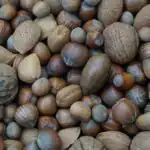
- Mkpụrụ ọjị (Kola nut)
- Aṅara (Garden egg), Akị ilu (Bitter kola), ma ọ bụ Achịcha (Bread)
- Akwụkwọ abụ (Poem book)
- Ụgbọọjii (Blackboard)
- Nzu (Chalk)
Rationale for the Lesson
This lesson helps pupils understand an important aspect of Igbo culture, the kola nut, and its significance in various traditional ceremonies. It also enables pupils to develop their Igbo language skills through poetry recitation and writing, preserving cultural heritage and enhancing literacy.
Prerequisite/Previous Knowledge
Pupils have basic knowledge of Igbo words, simple sentence formation, and some aspects of Igbo culture.
Lesson Content/Board Summary
Omenala: Mmemme Ọdịnala (Ọjị) na Agụmagụ: Abụ
Ihe Ọjị Bụ na Ihe E Ji Eche Ya
Ọjị bụ mkpụrụ osisi dị mkpa n’omenala Igbo. A na-eji ya anabata ndị ọbịa, ekpe ekpere, ma ọ bụ gosi ekele n’oge mmemme dị iche iche. Ọ na-egosipụta ihu ọma na obi ọcha.
Ihe ndị a na-eji eche ọjị ma ọ bụ soro ya na-aga bụ:
- Aṅara (Garden egg)
- Akị ilu (Bitter kola)
- Mmanya dị iche iche (Dịka mmanya nkwụ ma ọ bụ mmanya bekee)
- Achịcha (Bread)
- Ahụekere (Groundnut)
Uru Ọjị Bara n’Omenala Igbo
Ọjị nwere ọtụtụ uru na nkọwa dị omimi n’omenala Igbo. Ọ bụ ihe na-ejikọta mmadụ ma na-eweta udo.
Uru ọjị bara n’omenala Igbo bụ:
- Igosi ihu ọma na nnabata.
- Igosi obi ọcha na ịkwụwa aka ọtọ.
- Iweta obi ruru ala na mmekọrịta.
- Igosi ebe udo na ịdị n’otu dị.
- Iji ya ekpe ekpere na ịgọzi ihe.
Abụ (Poetry)
Abụ bụ usoro okwu e ji ahazi n’ụzọ pụrụ iche iji gosipụta echiche, mmetụta, ma ọ bụ akụkọ. A na-ejikarị ya agbasa ozi, atụrụ ndụ, ma ọ bụ na-akụzi ihe. Abụ nwere ike inwe ụda, usoro, na mkpụrụokwu pụrụ iche.
Ụdị abụ ụfọdụ bụ:
- Abụ ọma (Praise poetry)
- Abụ akwọnwọ (Lullabies)
- Abụ ọrụ (Work songs)
- Abụ ilu (Proverbial songs)
Ịgụ na ide abụ dị mkpa n’ihi na ọ na-enyere aka ichekwa asụsụ, omenala, na akụkọ anyị. Ọ na-emekwa ka mmadụ nwee ike ikwu okwu nke ọma ma detuo ihe.
Teaching Methods/Instructional Techniques
Discussion, Lecture, Demonstration, Question and Answer, Visual Aids
Instructional Procedures
Step 1: Introduction
Time: 5 minutes
Teaching Skill: Set Induction
Teacher’s Activity: The teacher greets the pupils and introduces the topic by asking them if they have seen kola nut before and in what situations. The teacher displays actual kola nuts and other accompanying items.
Pupils’ Activity: Pupils respond to the teacher’s questions and observe the displayed items.
Learning Point: Pupils are introduced to the topic and activate prior knowledge about kola nut.
Step 2: Presentation of Oji and its Accompaniments
Time: 10 minutes
Teaching Skill: Explanation/Demonstration
Teacher’s Activity: The teacher defines ‘Ọjị’ and explains its significance in Igbo culture. The teacher then lists and shows the items used to present kola nut (e.g., aṅara, akị ilu, achịcha).
Pupils’ Activity: Pupils listen attentively, observe the items, and identify them. They may ask questions for clarification.
Learning Point: Pupils learn about kola nut and the various items that accompany its presentation.
Step 3: Discussion on the Importance of Oji
Time: 10 minutes
Teaching Skill: Discussion/Questioning
Teacher’s Activity: The teacher leads a discussion on the importance of kola nut in Igbo culture, highlighting its roles in showing goodwill, sincerity, fostering peace, and prayer. The teacher encourages pupils to share their experiences.
Pupils’ Activity: Pupils actively participate in the discussion, sharing their thoughts and experiences on the importance of kola nut.
Learning Point: Pupils understand the deep cultural significance and various uses of kola nut.
Step 4: Introduction to Poetry (Abụ)
Time: 5 minutes
Teaching Skill: Explanation
Teacher’s Activity: The teacher defines ‘Abụ’ (poem) as a special arrangement of words to express thoughts or stories. The teacher explains that poems are an important part of Igbo oral tradition.
Pupils’ Activity: Pupils listen and try to understand the definition of a poem.
Learning Point: Pupils learn the meaning and importance of poetry in Igbo language.
Step 5: Poem Recitation
Time: 5 minutes
Teaching Skill: Choral Reading/Demonstration
Teacher’s Activity: The teacher recites a simple, short Igbo poem (e.g., from their textbook or a known cultural poem) clearly. The teacher then guides the pupils to recite the poem together, focusing on pronunciation and rhythm.
Pupils’ Activity: Pupils listen to the teacher and then recite the poem individually and chorally.
Learning Point: Pupils practice reciting an Igbo poem, improving their pronunciation and fluency.
Step 6: Writing Down the Poem
Time: 5 minutes
Teaching Skill: Guided Practice
Teacher’s Activity: The teacher writes the short poem on the board, ensuring correct spelling and punctuation. The teacher instructs pupils to copy the poem into their notebooks.
Pupils’ Activity: Pupils copy the poem from the board into their notebooks.
Learning Point: Pupils practice writing an Igbo poem correctly.
Step 7: Evaluation/Review
Time: 5 minutes
Teaching Skill: Questioning/Assessment
Teacher’s Activity: The teacher evaluates the learning by asking the following questions:
- Kedu ihe bụ ọjị n’omenala Igbo?
- Depụta ihe abụọ (2) a na-eji eche ọjị.
- Kwuo uru atọ (3) ọjị bara n’omenala Igbo.
- Kedu ihe bụ abụ?
- Gụọ otu abụ ị maara n’isi.
Pupils’ Activity: Pupils answer orally and in writing.
Learning Point: Pupils demonstrate understanding of the lesson.
Step 8: Conclusion
Time: 2 minutes
Teaching Skill: Summarization
Teacher’s Activity: The teacher summarizes the main points of the lesson on kola nut and poetry. The teacher assigns homework, asking pupils to find out more about other traditional Igbo ceremonies or to learn another short Igbo poem.
Pupils’ Activity: Pupils listen to the summary and copy down the homework.
Learning Point: Pupils consolidate their learning and are encouraged to explore further.
Lesson Keywords
- Ọjị – Kola nut, a significant fruit in Igbo culture used for various ceremonies.
- Omenala – Culture or tradition, the customs and beliefs of a group of people.
- Mmemme Ọdịnala – Traditional ceremony, an event following established cultural customs.
- Aṅara – Garden egg, an item often presented alongside kola nut.
- Akị ilu – Bitter kola, another item that can accompany kola nut.
- Abụ – Poem or song, a piece of writing or spoken word arranged in a special way to express ideas or feelings.
Differentiation
For pupils who grasp concepts quickly, the teacher can encourage them to explain the symbolism of each item presented with kola nut or to compose their own short poem. For pupils who need more support, the teacher can provide simpler poems to recite, offer additional examples of kola nut’s importance, or use visual aids more extensively.
Note for teachers using this lesson plan
Ensure you have actual kola nut and other listed items for demonstration to make the lesson concrete and engaging. Encourage pupils to speak Igbo throughout the lesson to improve their fluency. Be prepared to guide pupils through poem recitation with patience and clear pronunciation.

Community Join the conversation Open discussion +