

Class: Primary 6Term: 3rd Term
Week: 9
Age: 11 yearsDuration: 45 minutes
Subject: Asusu Igbo
Curriculum Theme: Nigerian Language
Previous Lesson: Ịchọ Mma, Ntụle Igbo Ịchọ Mma and Nke Bekee Ugbu A.
Topic: Asụsụ: Edemede Nduzi; Omenala: Ịchọ Mma
Subject Matter: Ide edemede nduzi n’otu isiokwu a họpụtara, ịgbaso usoro ide, ilele njehie ma dozie, uru ịchọ mma bara, inwe obi ụtọ na afọ ojuju, kwalite ịdị ọcha nke onwe, ịnọ n’ahụ ike
Specific Objectives
By the end of the lesson, pupils should be able to:
Cognitive Domain:
- Define guided essay writing (Edemede Nduzi).
- List the steps involved in writing an essay.
- Identify common errors found in written work.
- State at least three benefits of grooming (Ịchọ Mma).
Affective Domain:
- Appreciate the importance of following writing steps for clear communication.
- Show willingness to check and correct errors in their own writing.
- Develop a positive attitude towards personal grooming and hygiene.
Psychomotor Domain:
- Write a short guided essay on a simple topic.
- Identify and correct given errors in a sample essay.
- Demonstrate understanding of good grooming practices.
Social Domain:
- Participate actively in discussions about writing and grooming.
- Share ideas on how to maintain personal hygiene.
Reference Materials
The following resources were used in planning this lesson:
- 9 Years Basic Education Curriculum for Primary Schools
- State Unified Scheme of Work for Primary 5
- Akwụkwọ Asụsụ Igbo maka ụlọ akwụkwọ praịmarị 5
- https://www.waeconline.org.ng/
- https://education.gov.ng/
Instructional Materials
The teacher will teach this lesson with the aid of:
- Akwụkwọ ide (Writing books)
- Kaadị usoro edemede (Cards showing writing steps)
- Foto grooming (Pictures illustrating grooming practices)
- Ndepụta uru ịchọ mma (List of grooming benefits)
- Pensụl (Pencils)
Rationale for the Lesson
This lesson helps pupils to develop essential writing skills, enabling them to express themselves clearly and correctly. It also teaches them about personal grooming, which is important for their health, confidence, and social interactions.
Prerequisite/Previous Knowledge
Pupils have basic knowledge of writing simple sentences in Igbo and understand the importance of being clean.
Lesson Content/Board Summary
ASỤSỤ NA OMENALA: IDE EDEMEDE NDUZI NA ỊCHỌ MMA
Ide Edemede Nduzi (Guided Essay Writing)
Edemede Nduzi bụ ụdị edemede ebe onye nkuzi na-enye ụmụaka ntụziaka doro anya ma ọ bụ usoro ha ga-agbaso mgbe ha na-ede ihe. Nke a na-enyere ha aka ide ihe n’ụzọ ziri ezi na nke doro anya.
Usoro Ide Edemede (Steps for Writing an Essay):
- Iche Echiche/Ịhazi Ihe: Nke a bụ mgbe a na-atụle ihe a ga-ede, chịkọta echiche na isi ihe.
- Ide Ihe n’Ụzọ Mbụ (Drafting): Nke a bụ mgbe a na-ede echiche ndị ahụ n’usoro n’enweghị nchegbu banyere njehie.
- Ilele na Ime Mgbanwe (Revising): Nke a bụ mgbe a na-elele ma isi ihe ndị ahụ doro anya, ma ha na-agbaso usoro, ma ha na-enye ozi zuru ezu.
- Imezi Njehie (Editing/Proofreading): Nke a bụ mgbe a na-achọpụta ma na-edozi njehie asụsụ, mkpụrụokwu, na akara edemede.
Ilebanye Anya na Idozi Njehie n’Edemede (Checking and Correcting Errors in Writing):
Mgbe a na-ede edemede, ọ dị mkpa ilele ma dozie njehie ndị a:
- Njehie Asụsụ: Nke a bụ mmejọ na ụtọasụsụ (grammar), dị ka iji ngwaa na-ezighi ezi.
- Njehie Mkpụrụokwu: Nke a bụ mmejọ n’ịde mkpụrụokwu (spelling).
- Njehie Akara Edemede: Nke a bụ mmejọ n’iji akara edemede dị ka mkpịsị akara (full stop), mkpịsị ajụjụ (question mark), na mkpịsị akara nkwụsị (comma).
- Njehie Nhazi: Nke a bụ mmejọ n’otú e si hazie edemede ahụ, dị ka enweghị paragraf ma ọ bụ enweghị isi na ọdụ.
Ịchọ Mma (Grooming)
Ịchọ mma bụ omume ịdị na-elekọta ahụ gị, ntutu isi gị, uwe gị, na ọdịdị gị niile ka ị wee dị ọcha, mara mma, ma nwee ahụ ike. Ọ bụ maka ịdị ọcha nke onwe na otú mmadụ si apụta n’ihu ọha.
Uru Dị n’Ịchọ Mma (Benefits of Grooming):
Ịchọ mma nwere ọtụtụ uru, gụnyere:
- Inwe Obi Ụtọ na Afọ Ojuju: Ịdị ọcha na-eme ka mmadụ nwee obi ụtọ na ntụkwasị obi onwe onye.
- Ịkwalite Ịdị Ọcha nke Onwe: Ọ na-enyere aka igbochi ọrịa site n’iwepụ unyi na nje bacteria n’ahụ.
- Ịnọ n’Ahụ Ike: Ịdị ọcha na-eme ka ahụ dị mma ma na-egbochi ọrịa.
- Ịdị Mma n’Ihu Ọha: Ndị mmadụ na-akwanyere onye dị ọcha ma chọọ mma ùgwù.
- Ịbawanye Ntụkwasị Obi Onwe Onye: Ịdị ọcha na-eme ka mmadụ nwee mmetụta dị mma banyere onwe ya.
Ụzọ Esi Achọ Mma (Ways to Groom):
Ụfọdụ ụzọ e si achọ mma bụ:
- Ịsa ahụ kwa ụbọchị.
- Ịsa ezé ugboro abụọ n’ụbọchị.
- Ịsa ntutu isi mgbe niile na ikpuzi ya.
- Ịkpụ aka na ụkwụ.
- Iyi uwe dị ọcha na nke a vasara.
- Ịdị na-asa aka tupu iri nri na mgbe e ji ụlọ mposi.
Teaching Methods/Instructional Techniques
Discussion, Lecture, Demonstration, Question and Answer, Visual Aids
Instructional Procedures
Step 1: Introduction
Time: 5 minutes
Teaching Skill: Set Induction
Teacher’s Activity: The teacher greets the pupils and reviews the previous lesson briefly. The teacher then introduces the new topic by asking pupils if they know how to write a good story and what they do to keep themselves clean and neat every day.
Pupils’ Activity: Pupils respond to the teacher’s questions and listen attentively to the introduction of the new lesson.
Learning Point: Pupils are prepared for the new lesson and connect it to their prior knowledge.
Step 2: Presentation of “Ide Edemede Nduzi”
Time: 10 minutes
Teaching Skill: Explanation/Demonstration
Teacher’s Activity: The teacher explains what guided essay writing (Edemede Nduzi) is and presents the steps involved in writing an essay using the provided cards (Usoro Ide Edemede). The teacher also discusses common errors and how to correct them.
Pupils’ Activity: Pupils listen, take notes, and ask questions for clarification on the writing process and error correction.
Learning Point: Pupils understand the concept of guided writing and the systematic steps for essay composition.
Step 3: Practical Writing Session
Time: 10 minutes
Teaching Skill: Guided Practice
Teacher’s Activity: The teacher gives the pupils a simple topic (e.g., “Ụbọchị M Na-agaghị Echefu Echefu” – “A Day I Will Never Forget”) and guides them to write a short essay following the steps discussed. The teacher moves around to provide individual assistance.
Pupils’ Activity: Pupils write a short essay in their writing books, applying the learned steps. They also identify and correct any errors they find in their own writing or from a provided sample.
Learning Point: Pupils practice guided essay writing and error correction skills.
Step 4: Presentation of “Ịchọ Mma”
Time: 7 minutes
Teaching Skill: Explanation/Discussion
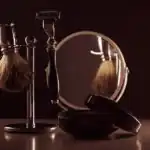
Teacher’s Activity: The teacher defines grooming (Ịchọ Mma) and uses pictures (foto grooming) to illustrate various grooming practices. The teacher then discusses the benefits of grooming (Uru Dị n’Ịchọ Mma) using the prepared list.
Pupils’ Activity: Pupils observe the pictures, listen to the explanations, and contribute to the discussion by sharing their understanding of grooming.
Learning Point: Pupils understand the meaning of grooming and its importance for personal well-being.
Step 5: Discussion on Grooming Practices
Time: 5 minutes
Teaching Skill: Question and Answer
Teacher’s Activity: The teacher asks pupils to mention different ways they can keep themselves clean and well-groomed. The teacher reinforces correct practices and clarifies any misconceptions.
Pupils’ Activity: Pupils share their personal grooming habits and discuss the importance of each practice.
Learning Point: Pupils identify and internalize practical ways to maintain good personal hygiene and grooming.
Step 6: Error Correction Practice
Time: 3 minutes
Teaching Skill: Problem Solving
Teacher’s Activity: The teacher writes a few sentences with common grammatical or spelling errors on the board. The teacher asks pupils to identify the errors and suggest corrections.
Pupils’ Activity: Pupils identify the errors on the board and orally suggest ways to correct them.
Learning Point: Pupils reinforce their ability to identify and correct errors in written Igbo.
Step 7: Evaluation/Review
Time: 5 minutes
Teaching Skill: Questioning/Assessment
Teacher’s Activity: The teacher evaluates the learning by asking the following questions:
- Kọwaa Edemede Nduzi. (Explain Guided Essay Writing.)
- Depụta usoro atọ e si ede edemede. (List three steps involved in writing an essay.)
- Kedu ihe atọ bara uru n’ịchọ mma? (What are three benefits of grooming?)
- Kwuo ụzọ abụọ i nwere ike isi chọọ mma. (Mention two ways you can groom yourself.)
Pupils’ Activity: Pupils answer orally and in writing.
Learning Point: Pupils demonstrate understanding of the lesson.
Step 8: Conclusion
Time: 5 minutes
Teaching Skill: Summarization
Teacher’s Activity: The teacher summarizes the key learning points of the lesson, emphasizing the importance of clear writing and good grooming. The teacher assigns homework, asking pupils to write a short essay on “Otu esi elekọta ahụ gị” (How to take care of your body) and to list five grooming items they use daily.
Pupils’ Activity: Pupils listen to the summary and copy down their homework assignment.
Learning Point: Pupils consolidate their learning and prepare for independent practice.
Lesson Keywords
- Edemede Nduzi – Guided Writing
- Ịchọ Mma – Grooming
- Njehie – Error
- Usoro – Steps/Procedure
- Ịdị Ọcha – Cleanliness/Hygiene
Differentiation
For struggling learners, the teacher will provide simpler writing prompts, offer more direct guidance during the writing session, and use visual aids more extensively. Advanced learners will be encouraged to write longer essays, use more complex sentences, and identify subtle errors in provided texts, as well as research additional benefits of grooming.
Note for teachers using this lesson plan
Teachers should ensure to use clear and simple Igbo language throughout the lesson. Encourage active participation from all pupils, especially during discussions on grooming, to make the lesson relatable. Emphasize practical application of both writing skills and grooming habits in daily life.

Community Join the conversation Open discussion +