

Class: Junior Secondary School 2 (JSS2, JSS 2)
Term: 1st Term
Week: 2
Age: 13 years
Duration: 45 minutes
Subject: Pre-Vocational Studies
Curriculum Theme: Home Economics
Previous Lesson: Family Resources and Decision Making
Topic: Care Of Family Clothing And Household Linen (Part 1)
Subject Matter: Methods of storing family clothing, Types of household linen
Specific Objectives
By the end of the lesson, pupils should be able to:
- Cognitive Domain:
(a) List and describe methods of storing family clothing.
(b) Identify and explain different types of household linen. - Affective Domain:
(a) Appreciate the importance of proper storage and care of clothing and household linen. - Psychomotor Domain:
(a) Demonstrate simple methods of folding and storing different household linens neatly. - Social Domain:
(a) Work cooperatively in groups to organize and discuss good clothing and linen management habits.
Reference Materials
The following resources was used in planning this lesson:
- 9 Years Basic Education Curriculum
- Lagos State Unified Scheme of work for Junior Secondary Schools
- Britannica – “Textiles and Household Linen” (https://www.britannica.com/topic/textile)
- Relevant Textbooks
Instructional Materials
The teacher will teach this lesson with the aid of:
- Samples of household linen (bedsheet, pillowcase, towel, napkin)
- Pictures or charts showing clothing storage methods
- Hangers, wardrobe, box, and laundry basket
- Iron and ironing board
- Flash cards with names of linens and clothing types
Rationale for the Lesson
This lesson teaches students how to properly store family clothing and household linens to maintain cleanliness, durability, and attractiveness in the home.
Prerequisite/Previous Knowledge
Pupils already have experience handling basic clothing items at home and are familiar with common household materials used for sleeping, cleaning, and decoration.
Lesson Content/Board Summary
Care of Family Clothing and Household Linen
Methods of Storing Family Clothing
Proper storage of family clothing helps to keep them clean, neat, and long-lasting. It prevents damage from dust, insects, and moisture.
The following are the methods of storing family clothing:
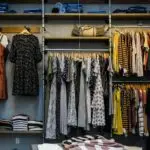
- Hanging: Clothes such as dresses, coats, and shirts are hung on hangers in wardrobes to prevent wrinkles.
- Folding: Light clothes like T-shirts, wrappers, and trousers are neatly folded and arranged on shelves or in drawers.
- Using Boxes or Suitcases: Seasonal or seldom-used clothes are stored in clean boxes or suitcases.
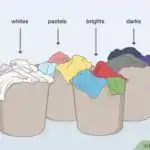
- Using Laundry Baskets: Dirty or used clothes should be kept in laundry baskets before washing.
- Ironing Before Storage: Ironing helps to keep clothes neat and prevent mold or insects.
- Using Mothballs or Camphor: These are placed in storage areas to protect clothes from insects and keep them fresh.
- Keeping Storage Areas Clean and Dry: Regular cleaning of wardrobes, boxes, and drawers keeps clothes free from odor and dust.
Types of Household Linen
Household linen refers to fabric materials used in various parts of the home for cleaning, covering, or decoration. They are usually made from cotton, linen, or synthetic fibers.
The following are the types of household linen:
- Bed Linen: Includes bedsheets, pillowcases, blankets, and mattress covers used in bedrooms.
- Table Linen: Includes tablecloths, napkins, and placemats used to cover and decorate tables.
- Kitchen Linen: Includes dishcloths, aprons, hand towels, and oven gloves used in the kitchen.
- Bathroom Linen: Includes towels, bathrobes, and face cloths used for drying and cleaning the body.
- Curtains and Drapes: Used to cover windows and doors and to beautify the home.
- Cleaning Linen: Includes dusters and floor cloths used for general house cleaning.
Teaching Methods/Instructional Techniques:
Discussion, Lecture, Explanation, Demonstration, Question and Answer, Group Work, Use of Visual Aids
Instructional Procedures
To deliver this lesson, the teacher will adopt the following steps:
Step 1: Introduction
Time: 5 minutes
Teaching Skill: Set Induction
Teacher’s Activity: The teacher asks pupils to mention where they keep their school uniforms or bedsheets at home, leading to the topic of clothing and linen care.
Pupils’ Activity: Pupils respond and describe how they store clothes at home.
Learning Point: Pupils are introduced to the topic of storing clothing and household linen.
Step 2: Methods of Storing Family Clothing
Time: 10 minutes
Teaching Skill: Explanation
Teacher’s Activity: The teacher explains the various methods of storing clothes, using real examples like hangers, boxes, and wardrobes.
Pupils’ Activity: Pupils observe, listen, and mention other storage methods they know.
Learning Point: Pupils understand different ways to store family clothing neatly and safely.
Step 3: Types of Household Linen
Time: 10 minutes
Teaching Skill: Discussion
Teacher’s Activity: The teacher displays samples of household linen (bedsheets, napkins, towels) and explains their uses.
Pupils’ Activity: Pupils identify each type and share their uses at home.
Learning Point: Pupils learn to recognize and name various household linens.
Step 4: Demonstration of Storage Practices
Time: 10 minutes
Teaching Skill: Demonstration
Teacher’s Activity: The teacher demonstrates proper folding and arrangement of linens on a shelf or in a box.
Pupils’ Activity: Pupils practice folding and arranging linens in groups.
Learning Point: Pupils acquire basic skills in storing and organizing household linens.
Step 5: Note-Taking
Time: 5 minutes
Teaching Skill: Explanation
Teacher’s Activity: Teacher dictates or writes the board summary for pupils to copy.
Pupils’ Activity: Pupils copy the notes neatly into their exercise books.
Learning Point: Pupils have a written record of the lesson content.
Step 6: Evaluation/Review
Time: 3 minutes
Teaching Skill: Questioning
Teacher’s Activity: The teacher evaluates the learning by asking the following questions:
- Mention four methods of storing family clothing.
- State three types of household linen.
- Why is it important to store clothes properly?
- Give two examples of bed linen.
Pupils’ Activity: Pupils respond to the questions orally.
Learning Point: Pupils demonstrate understanding of the lesson objectives.
Step 7: Conclusion
Time: 2 minutes
Teaching Skill: Reinforcement
Teacher’s Activity: Teacher summarizes key points and encourages pupils to always keep their clothes and linens clean and well stored.
Pupils’ Activity: Pupils listen and ask questions where necessary.
Learning Point: Pupils appreciate the value of proper clothing and linen care.
Lesson Keywords
- Linen – fabric used in the home for covering or cleaning
- Wardrobe – furniture used for storing clothes
- Hanger – device used to hang clothes neatly
- Camphor – substance used to protect clothes from insects
- Laundry Basket – container for keeping dirty clothes before washing
Differentiation
Provide visual aids and real samples for better understanding; support slower learners through demonstration while faster learners assist with folding and organizing.
Note for teachers using this lesson plan
Ensure pupils handle all materials safely and maintain hygiene when demonstrating linen care. Emphasize cleanliness, orderliness, and responsibility at home.

Community Join the conversation Open discussion +