

Class: Junior Secondary School 2 (JSS2, JSS 2)
Term: 2nd Term
Week: 3
Age: 13 years
Duration: 45 minutes
Subject: Pre-Vocational Studies
Curriculum Theme: Home Economics
Previous Lesson: Basic Pattern Drafting for Skirt and Bodice
Topic: Meals And Snacks
Subject Matter: Meaning of snacks, Types of snacks, ingredients used in different snacks.
Specific Objectives
By the end of the lesson, pupils should be able to:
- Cognitive Domain:
(a) Define snacks and explain their importance in daily diet.
(b) Identify different types of snacks and list common ingredients used. - Affective Domain:
(a) Appreciate the role of snacks in maintaining balanced nutrition.
(b) Show interest in preparing simple snacks hygienically. - Psychomotor Domain:
(a) Demonstrate basic preparation techniques for selected snacks.
(b) Handle snack ingredients and utensils safely during practical activities. - Social Domain:
(a) Work collaboratively with peers during snack preparation activities.
(b) Share knowledge about snacks and healthy eating habits within groups.
Reference Materials
The following resources were used in planning this lesson:
- 9 Years Basic Education Curriculum
- Lagos State Unified Scheme of Work for Junior Secondary Schools
- Online Information from: “Healthline – Healthy Snack Ideas for Kids” https://www.healthline.com/nutrition/healthy-snacks-for-kids
- Relevant Textbooks
Instructional Materials
The teacher will teach this lesson with the aid of:
- Flashcards with pictures of different snacks
- Samples of common snack ingredients (flour, sugar, eggs, milk, fruits)
- Charts showing types of snacks and their ingredients
- Video demonstration of snack preparation
- Cooking utensils and containers for demonstration
Rationale for the Lesson
This lesson enables pupils to understand snacks, their types, ingredients, and nutritional importance, fostering healthy eating habits.
Prerequisite/Previous Knowledge
Pupils are expected to have basic understanding of meals, home cooking, and daily eating habits from both home and previous lessons.
Lesson Content/Board Summary
Meals and Snacks
Meaning of Snacks
Snacks are small portions of food eaten between main meals to provide energy, prevent hunger, and maintain nutrition. They are usually simple and quick to prepare.
The following are key points about snacks:
- Snacks provide extra energy between meals.
- They can be eaten at any time of the day.
- Snacks can be healthy or unhealthy depending on ingredients.
- Examples includes fruits, nuts, biscuits, and sandwiches.
Types of Snacks
Snacks can be categorized based on preparation, ingredients, and serving style.
These include:
- Fruits and Vegetables: Fresh, cut, or blended fruits and raw vegetables.
- Baked Snacks: Biscuits, bread rolls, cakes, and pastries.
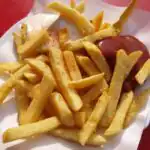
- Fried Snacks: Puff-puff, doughnuts, plantain chips, meat pies.
- Dairy-based Snacks: Yogurt, milkshakes, custards.
- Beverage Snacks: Smoothies and natural juices consumed as light snacks.
Ingredients Used in Snacks
The choice of ingredients depends on the type of snack being prepared.
They are:
- Cereals and Flours: Wheat, maize, rice for baked and fried snacks.
- Dairy Products: Milk, cheese, butter for flavor and nutrition.
- Fruits and Vegetables: Provide vitamins, minerals, and fiber.
- Sugars and Sweeteners: Used in desserts, baked goods, and beverages.
- Proteins: Eggs, nuts, fish, or meat used to enrich snacks.
Teaching Methods/Instructional Techniques
Discussion, Lecture, Explanation, Visual Aids, Demonstration, Group Work
Instructional Procedures
To deliver this lesson, the teacher will adopt the following steps:
Step 1: Introduction
Time: 5 minutes
Teaching Skill: Set Induction
Teacher’s Activity: Greet pupils, ask them what they usually eat between meals, relate to daily snack habits, and introduce the topic “Meals and Snacks.”
Pupils’ Activity: Listen attentively and respond to questions about snacks they eat.
Learning Point: Pupils are engaged and motivated, connecting prior knowledge to the topic.
Step 2: Meaning of Snacks
Time: 7 minutes
Teaching Skill: Explanation
Teacher’s Activity: Define snacks, explain their importance, and give examples using flashcards.
Pupils’ Activity: Copy definition and examples in their notebooks.
Learning Point: Pupils understand what snacks are and their significance.
Step 3: Types of Snacks
Time: 10 minutes
Teaching Skill: Discussion and Visual Aid
Teacher’s Activity: Present different types of snacks with charts and pictures; discuss classification.
Pupils’ Activity: Identify types of snacks and note them in their notebooks.
Learning Point: Pupils can categorize snacks based on preparation and ingredients.
Step 4: Ingredients Used in Snacks
Time: 10 minutes
Teaching Skill: Demonstration
Teacher’s Activity: Display ingredients, explain their uses in snacks, demonstrate small examples.
Pupils’ Activity: Observe demonstration and note key points.
Learning Point: Pupils understand ingredients required for various snacks.
Step 5: Note-Taking
Time: 5 minutes
Teaching Skill: Guided Practice
Teacher’s Activity: Summarize lesson content for board copying, clarify doubts.
Pupils’ Activity: Copy all notes from the board accurately.
Learning Point: Pupils have a complete and organized lesson note.
Step 6: Evaluation/Review
Time: 5 minutes
Teaching Skill: Questioning
Teacher’s Activity: The teacher evaluates the learning by asking the following questions:
- Define snacks.
- List three types of snacks.
- Mention five ingredients used in snack preparation.
- Give examples of healthy snacks.
Pupils’ Activity: Answer orally and in writing.
Learning Point: Pupils demonstrate comprehension of the lesson objectives.
Step 7: Conclusion
Time: 3 minutes
Teaching Skill: Reinforcement
Teacher’s Activity: Recap the lesson, emphasize the importance of snacks and healthy eating.
Pupils’ Activity: Listen and ask questions if necessary.
Learning Point: Pupils consolidate knowledge on snacks and their ingredients.
Lesson Keywords
- Snacks – Small meals eaten between main meals
- Ingredients – Substances used to prepare snacks
- Baked Snacks – Snacks cooked in an oven
- Fried Snacks – Snacks cooked in oil
- Healthy Snacks – Nutritious and safe snacks
Differentiation
Use visual aids for slower learners, encourage peer-assisted learning, and provide practical demonstration for hands-on learners.
Note for teachers using this lesson plan
Encourage pupils to share personal snack experiences; emphasize hygiene when handling food; use real ingredients for demonstration whenever possible.

Community Join the conversation Open discussion +