

Class: Senior Secondary School 1 (SS1 / SSS 1)
Term: 1st Term
Week: 1
Age: 15 years
Duration: 45 minutes
Subject: Painting And Decoration
Curriculum Theme: Trade
Previous Lesson: .
Topic: INTRODUCTION TO PAINTING, PICTORIAL PAINTING & PAINTING IN THE BUILDING TRADE
Subject Matter: Definition of painting, Types of Painting, materials for painting.
Specific Objectives
By the end of the lesson, pupils should be able to:
Cognitive Domain:
- Define painting.
- Identify and list different types of painting.
- Mention and describe various materials used for painting.
Affective Domain:
- Appreciate the importance of painting in daily life and in the building trade.
- Show interest in learning about painting techniques and materials.
Psychomotor Domain:
- Correctly identify and name different painting materials when shown.
- Differentiate between pictorial painting and painting in the building trade.
Social Domain:
- Actively participate in class discussions about painting.
- Collaborate with peers to identify painting materials.
Reference Materials
The following resources were used in planning this lesson:
- 9 Years Basic Education Curriculum for Trade and Entrepreneurship.
- State Unified Scheme of Work for Painting and Decoration (Senior Secondary).
- Introductory Technology for Senior Secondary Schools 1.
- https://www.google.com/search?q=introduction+to+painting+for+sss1
- https://www.youtube.com/watch?v=painting+and+decoration
Instructional Materials
The teacher will teach this lesson with the aid of:
- Paint brushes of different sizes.
- Pencils.
- Various colors (watercolors, poster colors).
- Cardboard and drawing paper.
- Samples of different types of paint (e.g., emulsion, gloss, texture paint).
- Pictures or charts showing different types of painting (pictorial, house painting).
Rationale for the Lesson
This lesson helps pupils understand the basic concepts of painting, which is an important skill in various fields, including art and construction. Knowing about different types of painting and their materials enables pupils to appreciate creative expression and potential career paths in the building trade.
Prerequisite/Previous Knowledge
Pupils should have basic knowledge of drawing and coloring from their junior secondary classes.
Lesson Content/Board Summary
INTRODUCTION TO PAINTING, PICTORIAL PAINTING & PAINTING IN THE BUILDING TRADE
Definition of Painting
Painting is the art of applying paint, pigment, color, or other medium to a solid surface (support base). The medium is usually applied with a brush, but other implements such as knives, sponges, and airbrushes can be used.
Types of Painting
Painting can be broadly categorized based on its purpose and style. The following are common types of painting:
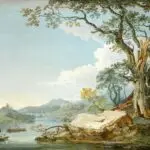
- Pictorial Painting: This type of painting focuses on creating images, scenes, or portraits, often for artistic expression or storytelling. It includes genres like landscape, portraiture, still life, and abstract art.
- Painting in the Building Trade (House Painting): This involves applying paint to buildings, structures, or objects for protection, decoration, or both. It includes interior and exterior painting, using various types of paints like emulsion, gloss, texture paint, and special finishes.
Materials for Painting
Various tools and substances are used to create a painting. The following are essential materials for painting:
- Paints/Colors: These are the pigments suspended in a medium, giving the color. Examples include watercolors, oil paints, acrylics, poster colors, emulsion paint, gloss paint.
- Brushes: Tools with bristles used to apply paint to a surface. They come in different shapes and sizes for various effects.
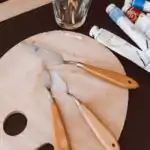
- Palettes: Flat surfaces used for mixing colors.
- Surfaces (Supports): The material on which the paint is applied. Examples include canvas, paper, cardboard, walls, wood, metal.
- Thinners/Solvents: Liquids used to dilute paint or clean brushes. Examples include water for watercolors, turpentine for oil paints.
- Pencils: Used for sketching the initial outline before painting.
- Erasers: Used to correct pencil sketches.
- Rags/Cloths: For cleaning brushes and wiping excess paint.
- Containers: For water or paint thinners.
Teaching Methods/Instructional Techniques
Discussion, Lecture, Demonstration, Question and Answer, Visual Aids
Instructional Procedures
Step 1: Introduction
Time: 5 minutes
Teaching Skill: Set Induction
Teacher’s Activity: The teacher greets the pupils and reviews the previous lesson briefly. The teacher then asks pupils about their experiences with drawing and coloring, leading them to think about what painting is.
Pupils’ Activity: Pupils respond to greetings and questions, recalling past learning and sharing experiences.
Learning Point: Pupils are engaged and their prior knowledge is activated, preparing them for the new topic.
Step 2: Definition of Painting
Time: 10 minutes
Teaching Skill: Explanation/Definition
Teacher’s Activity: The teacher defines painting, explaining it as the art of applying color to a surface. The teacher uses simple examples like painting a picture or painting a house.
Pupils’ Activity: Pupils listen attentively, ask questions for clarity, and write down the definition in their notebooks.
Learning Point: Pupils understand the basic definition of painting.
Step 3: Types of Painting
Time: 10 minutes
Teaching Skill: Elaboration/Categorization
Teacher’s Activity: The teacher explains and differentiates between pictorial painting (artistic expression) and painting in the building trade (for protection and decoration of structures). The teacher shows examples of each using pictures or actual samples.
Pupils’ Activity: Pupils observe the examples, listen to the explanations, and identify the differences between the two types of painting. They also note down the types.
Learning Point: Pupils can distinguish between different types of painting and their purposes.
Step 4: Materials for Painting
Time: 10 minutes
Teaching Skill: Demonstration/Identification
Teacher’s Activity: The teacher displays various painting materials such as brushes, pencils, different colors (paints), cardboard, and paper. The teacher names each material and briefly explains its use.
Pupils’ Activity: Pupils observe the materials, listen to the explanations, and identify each item. They may handle some non-messy materials if safe and appropriate.
Learning Point: Pupils can identify and state the uses of common painting materials.
Step 5: Evaluation/Review
Time: 5 minutes
Teaching Skill: Questioning/Assessment
Teacher’s Activity: The teacher evaluates the learning by asking the following questions:
- What is painting?
- Mention two main types of painting.
- List four materials used for painting.
- How does pictorial painting differ from painting in the building trade?
Pupils’ Activity: Pupils answer orally and in writing.
Learning Point: Pupils demonstrate understanding of the lesson.
Step 6: Conclusion
Time: 5 minutes
Teaching Skill: Summarization/Assignment
Teacher’s Activity: The teacher summarizes the key points of the lesson, reinforcing the definitions, types, and materials of painting. The teacher then gives homework.
Homework: Draw and label five materials used for painting.
Pupils’ Activity: Pupils listen to the summary and copy down the homework assignment.
Learning Point: Pupils consolidate their understanding and are given an activity to reinforce learning.
Lesson Keywords
- Painting – The art of applying paint or color to a surface.
- Pictorial Painting – Creating images or scenes for artistic expression.
- Building Trade Painting – Applying paint to structures for protection and decoration.
- Pigment – The substance that gives paint its color.
- Brush – A tool with bristles used to apply paint.
- Palette – A surface used for mixing paints.
Differentiation
For pupils who grasp concepts quickly, the teacher can ask them to research different types of paint finishes (e.g., matte, satin, gloss) or famous painters. For pupils needing more support, the teacher can provide visual aids with labels for painting materials and simplified definitions, allowing them to work in pairs to identify items.
Note for teachers using this lesson plan
Ensure to have a variety of visual aids and actual materials to make the lesson engaging and practical. Encourage pupils to ask questions and share their own experiences with painting. Emphasize safety when handling any paint materials, especially if using actual paints during the demonstration.


Community Join the conversation Open discussion +