

Class: Primary 5
Term: 3rd Term
Week: 10
Age: 10 years
Duration: 45 minutes
Subject: Asụsụ Igbo
Curriculum Theme: Nigerian Language
Previous Lesson: Nhazi Edemede and Asọmpi Okwuntụhị, Ahụ Edemede, Mmechi and Contest Rules.
Topic: Omenala na Asụsụ: Ndị Ntorọbịa na Ahụike; Idezu Akụkọ A Kọfọrọ
Subject Matter: Ụzọ e si egbochi ọrịa, izere mmekọrịta nwoke na nwaanyị n’erughi eru, inyocha ọbara tupu agbanye ya, izere ọbara onye ọzọ n’ihe mberede, ịdị ọcha mgbe dum, ikọ akụkọ, ide na idefọ akụkọ, idezu akụkọ a kọfọrọ
Specific Objectives
By the end of the lesson, pupils should be able to:
Cognitive Domain:
- List at least three ways to prevent diseases.
- Explain the importance of blood screening before transfusion.
- Identify the key elements of a narrated story.
- Complete a given story based on the narration.
Affective Domain:
- Appreciate the importance of personal hygiene and health safety.
- Show interest in listening to and completing stories.
- Value the cultural aspect of storytelling.
Psychomotor Domain:
- Write down notes on disease prevention methods.
- Write the concluding parts of a story accurately.
Social Domain:
- Participate actively in class discussions about health and stories.
- Ask and answer questions related to the lesson content.
Reference Materials
The following resources were used in planning this lesson:
- 9 Years Basic Education Curriculum for Igbo Language.
- State Unified Scheme of Work for Primary 5 Igbo Language.
- Mkpụrụ Akwụkwọ Igbo maka Praịmarị 5.
Instructional Materials
The teacher will teach this lesson with the aid of:
- Akwụkwọ akụkọ a kọfọrọ (a narrated story text/book).
- Kaadị nchekwa ahụike (health safety cards).
- Mpempe akwụkwọ (sheets of paper).
- Ụgbọ ojii na nzu (chalkboard and chalk).
Rationale for the Lesson
This lesson helps pupils understand important health practices to protect themselves from diseases and inappropriate relationships. It also enables them to develop their listening and writing skills by completing narrated stories, which is a valuable aspect of Igbo language and culture.
Prerequisite/Previous Knowledge
Pupils are expected to have basic knowledge of personal hygiene and simple story writing in Igbo.
Lesson Content/Board Summary
Omenala na Asụsụ
Ndị Ntorọbịa na Ahụike (Youth and Health)
Ahụike bụ akụ na ụba, ọ dị mkpa ka ndị ntorọbịa ghọta ụzọ e si echebe onwe ha pụọ n’ọrịa dị iche iche na omume ọjọọ.
Ụzọ e Si Egbochi Ọrịa (Ways to Prevent Diseases):
- Ịdị ọcha mgbe dum (General hygiene and cleanliness).
- Izere mmekọrịta nwoke na nwaanyị n’erughi eru (Avoiding inappropriate sexual relationships).
- Inyocha ọbara tupu agbanye ya (Screening blood before transfusion).
- Izere ọbara onye ọzọ n’ihe mberede (Avoiding contact with another person’s blood in emergencies).
- Iri nri dị mma na ịṅụ mmiri dị ọcha (Eating healthy food and drinking clean water).
- Ịga ụlọ ọgwụ mgbe niile maka nyocha (Regular medical check-ups).
Idezu Akụkọ A Kọfọrọ (Completing a Narrated Story)
Idezu akụkọ a kọfọrọ bụ usoro idecha ma ọ bụ ịgụcha akụkọ onye ọzọ kọrọ ma ọ bụ malitere. Ọ na-enye aka n’ịzụlite nghọta na ikike ide ihe.
Ụzọ E Si Idezu Akụkọ (Steps to Complete a Story):
- Gee ntị nke ọma ka a na-akọ akụkọ ahụ (Listen carefully to the story as it is narrated).
- Ghọta isi ihe akụkọ ahụ gbasara (Understand the main theme of the story).
- Chetara onwe gị ihe ndị mere na mmalite na etiti akụkọ ahụ (Recall the events that happened at the beginning and middle of the story).
- Chepụta njedebe kwesịrị ekwesị maka akụkọ ahụ (Imagine a suitable ending for the story).
- Dee njedebe ahụ n’ụzọ doro anya na nke ziri ezi (Write the ending clearly and accurately).
Teaching Methods/Instructional Techniques
Discussion, Lecture, Demonstration, Question and Answer, Visual Aids
Instructional Procedures
Step 1: Introduction
Time: 5 minutes
Teaching Skill: Set Induction
Teacher’s Activity: The teacher greets the pupils and reviews the previous lesson briefly. The teacher then introduces the new topic by asking pupils what they know about staying healthy and about stories they have heard.
Pupils’ Activity: Pupils respond to greetings and answer questions about health and stories.
Learning Point: Pupils recall previous knowledge and are prepared for the new lesson.
Step 2: Presentation of “Ndị Ntorọbịa na Ahụike”
Time: 10 minutes
Teaching Skill: Explanation/Lecture
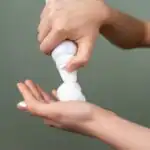
Teacher’s Activity: The teacher explains the importance of good health for youths. The teacher then lists and explains various ways to prevent diseases, emphasizing personal hygiene, avoiding inappropriate relationships, and safe blood practices. The teacher uses health safety cards to illustrate points.
Pupils’ Activity: Pupils listen attentively, ask questions for clarification, and take notes.
Learning Point: Pupils understand the various ways to prevent diseases and maintain good health.
Step 3: Discussion on Health Practices
Time: 5 minutes
Teaching Skill: Discussion/Questioning
Teacher’s Activity: The teacher facilitates a short discussion, asking pupils to share how they practice hygiene at home and school. The teacher corrects misconceptions and reinforces correct practices.
Pupils’ Activity: Pupils share their experiences and participate in the discussion.
Learning Point: Pupils apply health knowledge to their daily lives and reinforce understanding.
Step 4: Presentation of “Idezu Akụkọ A Kọfọrọ”
Time: 10 minutes
Teaching Skill: Narration/Explanation
Teacher’s Activity: The teacher introduces the concept of completing a narrated story. The teacher then narrates a short, incomplete story in Igbo, stopping before the conclusion. The teacher explains the steps involved in completing a story effectively.
Pupils’ Activity: Pupils listen carefully to the narrated story and the explanation of how to complete it.
Learning Point: Pupils understand what it means to complete a story and the process involved.
Step 5: Guided Practice for Story Completion
Time: 5 minutes
Teaching Skill: Guidance/Demonstration
Teacher’s Activity: The teacher guides pupils through brainstorming possible endings for the narrated story. The teacher writes down some suggestions from pupils on the board, discussing their suitability.
Pupils’ Activity: Pupils offer suggestions for the story’s ending and discuss them with the teacher and classmates.
Learning Point: Pupils practice thinking critically about story endings.
Step 6: Independent Practice
Time: 5 minutes
Teaching Skill: Application
Teacher’s Activity: The teacher distributes sheets of paper with the beginning and middle parts of the narrated story (or prompts them to write from memory) and instructs pupils to write their own endings individually.
Pupils’ Activity: Pupils write the concluding parts of the story on their own.
Learning Point: Pupils apply their understanding to complete a story independently.
Step 7: Evaluation/Review
Time: 5 minutes
Teaching Skill: Questioning/Assessment
Teacher’s Activity: The teacher evaluates the learning by asking the following questions:
- Kọwaa ụzọ abụọ e si egbochi ọrịa. (Explain two ways to prevent diseases.)
- Gịnị mere o ji dị mkpa inyocha ọbara tupu agbanye ya? (Why is it important to screen blood before transfusion?)
- Kedu ihe ị ga-eme iji mezue akụkọ a kọfọrọ? (What would you do to complete a narrated story?)
- Gụọ njedebe akụkọ gị. (Read out your story ending.)
Pupils’ Activity: Pupils answer orally and in writing.
Learning Point: Pupils demonstrate understanding of the lesson.
Step 8: Conclusion
Time: 5 minutes
Teaching Skill: Summarization
Teacher’s Activity: The teacher summarizes the key points of the lesson, reiterating the importance of health practices and the skill of story completion. The teacher gives homework, asking pupils to write another short story and complete it.
Pupils’ Activity: Pupils listen to the summary and copy down the homework.
Learning Point: Pupils consolidate their learning and are assigned further practice.
Lesson Keywords
- Omenala – Culture/Tradition
- Ahụike – Health
- Ọrịa – Disease/Illness
- Ntorọbịa – Youth
- Akụkọ – Story
- Idezu – To complete/finish writing
- Ịdị ọcha – Cleanliness/Hygiene
- Mmekọrịta – Relationship/Interaction
Differentiation
For pupils who grasp the concepts quickly, the teacher will provide more complex stories to complete or ask them to research additional health practices. For those needing extra support, the teacher will offer simplified stories and more guided assistance during the writing activity.
Note for teachers using this lesson plan
Teachers should ensure that all instructional materials are prepared before the lesson. Pay close attention to pupils’ responses during discussions to correct any misunderstandings promptly. Encourage creativity in story completion while ensuring the endings are logical and fit the narrative.
Community Join the conversation Open discussion +