

Class: Primary 5
Term: 3rd Term
Week: 5
Age: 10 years
Duration: 45 minutes
Subject: Asụsụ Igbo
Curriculum Theme: Nigerian Language
Previous Lesson: Mgbanwe Ntorọbịa and Okwu Ntụhị, Mgbanwe Ahụ and Okwuntụhị Dị Iche Iche.
Topic: ASỤSỤ: Ịkọwa ọdịdị mmadụ na OMENALA: Ndị ntorọbịa na ahụike ha
Subject Matter: Ọdịdị ahụ mmadụ, ụcha, ibu, oji, ihe dị iche n’etiti ndị mmadụ, nkọwa nlekọta ahụ, ụzọ e si elekọta ahụ dịka ịsa ahụ na iri ezigbo nri na ịkpụ isi na ibecha mbọ
Specific Objectives
By the end of the lesson, pupils should be able to:
Cognitive Domain:
- Define “ọdịdị mmadụ” (human appearance).
- Identify different aspects of human appearance such as ụcha (color), ibu (size), na ogologo (height).
- Explain the meaning of “nlekọta ahụ” (body care).
- List at least four ways to care for the body.
Affective Domain:
- Appreciate the differences in human appearance among people.
- Value the importance of personal hygiene and body care.
Psychomotor Domain:
- Write down different ways to maintain personal hygiene.
- Draw simple illustrations showing good body care practices.
Social Domain:
- Discuss respectfully about the different physical attributes of people.
- Share ideas with classmates on how to maintain good personal hygiene.
Reference Materials
The following resources were used in planning this lesson:
- 9 Years Basic Education Curriculum for Primary Schools.
- State Unified Scheme of Work for Primary 5.
- Mkpụrụ Akwụkwọ Igbo maka ụlọ akwụkwọ praịmarị 5.
Instructional Materials
The teacher will teach this lesson with the aid of:
- Eserese ọdịdị mmadụ (pictures of human appearance).
- Kaadị ịdị ọcha (cleanliness cards showing items like soap, toothbrush, comb, nail clipper).
- Mpempe akwụkwọ (sheets of paper).
- Ụgbọ ojii (chalkboard) na nzu (chalk).
Rationale for the Lesson
This lesson helps pupils understand that people look different from each other and that these differences are natural. It also teaches them the important practices for keeping their bodies clean and healthy, which is essential for preventing sickness and promoting well-being in their daily lives.
Prerequisite/Previous Knowledge
Pupils are familiar with basic Igbo words and can identify parts of the body. They also have some understanding of personal cleanliness from home and previous lessons.
Lesson Content/Board Summary
ASỤSỤ: Ịkọwa ọdịdị mmadụ na OMENALA: Ndị ntorọbịa na ahụike ha
Ịkọwa Ọdịdị Mmadụ (Describing Human Appearance)
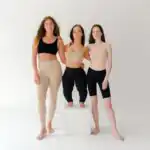
Ọdịdị mmadụ bụ ihe gbasara otú mmadụ si yie n’èzí, dịka ụdị ahụ ya, ụcha akpụkpọ ahụ ya, na ogologo ya.
Ihe ndị na-eme ka ọdịdị mmadụ dị iche iche bụ:
- Ụcha (Color/Complexion): Ndị mmadụ nwere ike ịnwe ụcha dị iche iche dịka oji (dark), ọcha (fair), ma ọ bụ nchara nchara (brown/caramel).
- Ibu (Size/Weight): Ndị mmadụ nwere ike ibu ibu (fat), dị gịrịgịrị (slim), ma ọ bụ nwee ahụ zuru oke (average).
- Ogologo (Height): Ndị mmadụ nwere ike ịdị ogologo (tall), dị mkpụmkpụ (short), ma ọ bụ nwee ogologo etiti (average height).
- Ụdị ntutu (Hair Type): Ụdị ntutu dịkwa iche iche dịka ntutu isi gbatịpụrụ agbatịpụ (straight hair) ma ọ bụ nke siri ike (kinky hair).
Nlekọta Ahụ Ike (Health Care/Body Care)
Nlekọta ahụ bụ omume na ụzọ e si edebe ahụ mmadụ ọcha na ike ka ọ ghara ịrịa ọrịa ma ọ bụ nwee nsogbu ahụike.
Ụzọ dị mkpa e si elekọta ahụ gụnyere:
- Ịsa ahụ (Bathing): Ịsa ahụ oge niile na-enyere aka iwepụ unyi na nje bacteria n’ahụ.
- Iri ezigbo nri (Eating Good Food): Iri nri na-edozi ahụ na-enye ahụ ike ma na-enyere ya aka ịlụso ọrịa ọgụ.
- Ịkpụ isi (Haircut/Hair Care): Ịkpụ isi ma ọ bụ ịchọ mma ntutu na-eme ka ọ dị ọcha ma na-adị mma.
- Ibecha mbọ (Nail Trimming): Ibecha mbọ aka na nke ụkwụ na-eme ka unyi ghara ịdị n’okpuru ha, nke nwere ike ibute ọrịa.
- Ịsa eze (Brushing Teeth): Ịsa eze ugboro abụọ n’ụbọchị na-eme ka eze dị ọcha ma gbochie ire ere.
- Mmega ahụ (Exercising): Mmega ahụ na-eme ka ahụ sie ike ma na-enyere aka idobe ibu ahụ kwesịrị ekwesị.
Teaching Methods/Instructional Techniques
Discussion, Lecture, Demonstration, Question and Answer, Visual Aids
Instructional Procedures
Step 1: Introduction
Time: 5 minutes
Teaching Skill: Set Induction
Teacher’s Activity: The teacher greets the pupils and reviews the previous lesson. The teacher then shows pictures of different people and asks pupils to observe them.
Pupils’ Activity: Pupils respond to greetings, answer questions from the previous lesson, and observe the pictures.
Learning Point: Pupils recall prior knowledge and get ready for the new topic.
Step 2: Presentation of Topic A: Ịkọwa Ọdịdị Mmadụ
Time: 10 minutes
Teaching Skill: Explanation/Demonstration
Teacher’s Activity: The teacher introduces the first part of the topic, “Ịkọwa ọdịdị mmadụ,” and explains what ọdịdị mmadụ means. The teacher uses the pictures to illustrate differences in ụcha (color), ibu (size), and ogologo (height) among people.
Pupils’ Activity: Pupils listen attentively, look at the pictures, and ask questions for clarity.
Learning Point: Pupils understand the concept of human appearance and its variations.
Step 3: Discussion on Differences in Appearance
Time: 7 minutes
Teaching Skill: Questioning/Discussion
Teacher’s Activity: The teacher leads a discussion on why people look different and emphasizes that these differences are normal and should be respected. The teacher asks pupils to mention some differences they observe among themselves.
Pupils’ Activity: Pupils participate in the discussion, identify differences among their classmates, and share their observations respectfully.
Learning Point: Pupils appreciate and respect the diversity in human appearance.
Step 4: Presentation of Topic B: Nlekọta Ahụ Ike
Time: 8 minutes
Teaching Skill: Explanation
Teacher’s Activity: The teacher introduces the second part of the topic, “Nlekọta Ahụ Ike,” and defines what nlekọta ahụ means. The teacher explains the importance of keeping the body clean and healthy to avoid sickness.
Pupils’ Activity: Pupils listen and take notes as the teacher explains. They may ask questions about body care.
Learning Point: Pupils understand the meaning and importance of body care.
Step 5: Ways to Care for the Body
Time: 5 minutes
Teaching Skill: Listing/Demonstration
Teacher’s Activity: The teacher lists and briefly explains different ways to care for the body, using cleanliness cards to demonstrate. The teacher writes these points on the board.
Pupils’ Activity: Pupils observe the cards, listen to the explanations, and copy the points from the board into their notebooks.
Learning Point: Pupils learn practical ways to maintain personal hygiene.
Step 6: Activity
Time: 5 minutes
Teaching Skill: Practical Application
Teacher’s Activity: The teacher divides pupils into small groups and asks them to discuss and list two more ways they care for their bodies at home. The teacher moves around to guide the groups.
Pupils’ Activity: Pupils discuss in their groups and present their additional points to the class.
Learning Point: Pupils reinforce their understanding by applying the concepts to their daily lives.
Step 7: Evaluation/Review
Time: 5 minutes
Teaching Skill: Questioning/Assessment
Teacher’s Activity: The teacher evaluates the learning by asking the following questions:
- Gịnị ka ọdịdị mmadụ pụtara? (What does human appearance mean?)
- Kwuo ihe abụọ na-eme ka ọdịdị mmadụ dị iche iche. (Mention two things that make human appearance different.)
- Kọwaa ihe bụ nlekọta ahụ. (Explain what body care is.)
- Depụta ụzọ atọ e si elekọta ahụ. (List three ways to care for the body.)
Pupils’ Activity: Pupils answer orally and in writing.
Learning Point: Pupils demonstrate understanding of the lesson.
Step 8: Conclusion
Time: 2 minutes
Teaching Skill: Summarization
Teacher’s Activity: The teacher summarizes the key points of the lesson, emphasizing the importance of respecting differences and maintaining good hygiene. The teacher gives homework: Draw and label five items used for body care.
Pupils’ Activity: Pupils listen to the summary and copy down the homework.
Learning Point: Pupils consolidate their learning and are given a task to practice.
Lesson Keywords
- Ọdịdị mmadụ – Human appearance
- Ụcha – Color/Complexion
- Ibu – Size/Weight
- Ogologo – Height
- Nlekọta ahụ – Body care/Hygiene
- Ịsa ahụ – Bathing
- Iri ezigbo nri – Eating good food
- Ịkpụ isi – Haircut/Hair care
- Ibecha mbọ – Nail trimming
Differentiation
The teacher will provide additional support to slower learners by simplifying explanations and using more visual aids. Advanced learners will be encouraged to provide more detailed examples and lead group discussions.
Note for teachers using this lesson plan
Teachers should encourage active participation from all pupils and use local examples to make the lesson relatable. Emphasize the cultural aspect of body care and respect for diverse appearances. Adjust the pace and activities to suit the specific needs and context of the pupils.
Community Join the conversation Open discussion +