

Class: Primary 5
Term: 1st Term
Week: 6
Age: 10 years
Duration: 45 minutes
Subject: Asụsụ Igbo
Curriculum Theme: Nigerian Language
Previous Lesson: Aghọtaazaa and Abụ, Okwu Ọhụrụ and Ibu Abụ N’Isi.
Topic: A) ASỤSỤ: Ọnụọgụgụ B) OMENALA: Idobe gburu-gburu ọcha
Subject Matter: ọnụọgụgụ 200-300, idepụta na ịgụ ọnụọgụgụ, ide ọnụ ọgụgụ, ụzọ nlekọta gburugburu dịka ịza ihe na ikpofu ahịhịa ebe o kwesiri, ịkpọsịta ụzọ e si elekọta gburugburu
Specific Objectives
By the end of the lesson, pupils should be able to:
Cognitive Domain:
- Identify and read Igbo numbers from 200 to 300.
- Mention ways to keep the environment clean.
Affective Domain:
- Appreciate the importance of a clean environment.
- Show willingness to participate in keeping their surroundings clean.
Psychomotor Domain:
- Write Igbo numbers from 200 to 300.
- Demonstrate simple actions for environmental cleanliness, such as sweeping and proper waste disposal.
Social Domain:
- Work cooperatively with peers to read and write numbers.
- Participate in group discussions about environmental cleanliness.
Reference Materials
The following resources were used in planning this lesson:
- 9 Years Basic Education Curriculum for Igbo Language.
- State Unified Scheme of Work for Primary 5 Asụsụ Igbo.
- Mkpụrụ Akwụkwọ Igbo maka Praịmarị 5.
Instructional Materials
The teacher will teach this lesson with the aid of:
- Number cards (kaadị ọnụọgụgụ).
- Waste bag (akpa ahịhịa).
- Broom (broom/azịza).
- Dustbin (dustbin/igbe ahịhịa).
- Image of a black vehicle/car (ụgbọ ojii) for refuse collection.
Rationale for the Lesson
This lesson helps pupils to understand and use Igbo numbers up to 300, which is important for their daily communication and counting. It also teaches them practical ways to keep their environment clean, promoting good hygiene and community health.
Prerequisite/Previous Knowledge
Pupils are familiar with counting and writing Igbo numbers from 1 to 200. They also have basic knowledge of cleanliness in their homes and schools.
Lesson Content/Board Summary
A) ASỤSỤ: Ọnụọgụgụ (Numbers) B) OMENALA: Idobe gburu-gburu ọcha (Keeping the Environment Clean)
Ọnụọgụgụ (Numbers) 200-300
Ọnụọgụgụ bụ okwu anyị ji agụ ma ọ bụ gụọ ihe. Ọ dị mkpa ịmata ka esi agụ na ide ọnụọgụgụ na Asụsụ Igbo.
Ụfọdụ ọnụọgụgụ dị n’etiti 200 na 300 bụ:
- 200 – narị abụọ
- 201 – narị abụọ na otu
- 210 – narị abụọ na iri
- 220 – narị abụọ na iri abụọ
- 250 – narị abụọ na iri ise
- 299 – narị abụọ na iri itoolu na itoolu
- 300 – narị atọ
Idobe Gburugburu Ọcha (Keeping the Environment Clean)
Idobe gburugburu ọcha pụtara ime ka ebe anyị bi na-arụ ọrụ dị ọcha, nke a na-enyere aka igbochi ọrịa na ime ka ebe ahụ dị mma.
Ụzọ dị iche iche e si elekọta gburugburu ọcha bụ:
- Ịza ahịhịa n’ụlọ na gburugburu ya kwa ụbọchị.
- Ikpofu ahịhịa n’ime igbe ahịhịa ma ọ bụ ebe a kwadoro maka ya.
- Ịkpachara anya ka mmiri ghara igbachi ebe ọ bụla ka anwụnta ghara ịmụ n’ebe ahụ.
- Ịkụ osisi ma ọ bụ ifuru gburugburu ụlọ.
- Ịsacha ebe a na-asa efere na ebe a na-asa ahụ́ mgbe niile.
Teaching Methods/Instructional Techniques
Discussion, Lecture, Demonstration, Question and Answer, Visual Aids
Instructional Procedures
Step 1: Introduction
Time: 5 minutes
Teaching Skill: Set Induction
Teacher’s Activity: The teacher greets the pupils and reviews the previous lesson on Igbo numbers up to 200. The teacher then introduces the new topic: counting numbers from 200-300 and keeping the environment clean.
Pupils’ Activity: Pupils respond to greetings and recall aspects of the previous lesson. They listen attentively to the new topic.
Learning Point: Pupils recall previous knowledge and are prepared for the new lesson.
Step 2: Presentation of Ọnụọgụgụ (Numbers) 200-300
Time: 10 minutes
Teaching Skill: Explanation/Demonstration
Teacher’s Activity: The teacher displays number cards (kaadị ọnụọgụgụ) showing numbers from 200 to 300. The teacher reads each number in Igbo, explaining how it is formed (e.g., narị abụọ, narị abụọ na iri). Pupils repeat after the teacher.
Pupils’ Activity: Pupils observe the number cards, listen to the teacher, and repeat the numbers in Igbo.
Learning Point: Pupils learn to identify and pronounce Igbo numbers from 200-300.
Step 3: Writing Ọnụọgụgụ (Numbers) 200-300
Time: 5 minutes
Teaching Skill: Modelling/Practice
Teacher’s Activity: The teacher writes various numbers from 200-300 on the board in both numerals and Igbo words. The teacher then asks pupils to write some of these numbers in their notebooks.
Pupils’ Activity: Pupils observe the teacher’s writing and then practice writing the numbers in their notebooks.
Learning Point: Pupils develop the skill of writing Igbo numbers up to 300.
Step 4: Introduction to Idobe Gburugburu Ọcha (Keeping the Environment Clean)
Time: 5 minutes
Teaching Skill: Discussion/Explanation
Teacher’s Activity: The teacher asks pupils what it means to keep their environment clean (Idobe gburugburu ọcha). The teacher explains the meaning and importance of environmental hygiene.
Pupils’ Activity: Pupils share their ideas about cleanliness and listen to the teacher’s explanation.
Learning Point: Pupils understand the concept and importance of a clean environment.
Step 5: Ways of Keeping the Environment Clean
Time: 10 minutes
Teaching Skill: Demonstration/Visual Aids
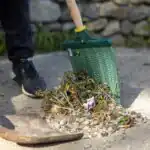
Teacher’s Activity: The teacher discusses and demonstrates ways to keep the environment clean using instructional materials like the broom, dustbin, and waste bag. The teacher shows how to sweep and properly dispose of refuse. The teacher also mentions other ways like preventing stagnant water.
Pupils’ Activity: Pupils observe the demonstration, participate in discussions, and suggest other ways to keep the environment clean.
Learning Point: Pupils learn practical ways to maintain environmental cleanliness.
Step 6: Group Activity/Practice
Time: 5 minutes
Teaching Skill: Collaborative Learning
Teacher’s Activity: The teacher divides pupils into small groups. Each group is given a set of numbers to read and write. Some groups are asked to discuss and list ways to keep the school compound clean.
Pupils’ Activity: Pupils work in groups to read and write numbers and discuss environmental cleanliness.
Learning Point: Pupils reinforce their learning through peer interaction and practical application.
Step 7: Evaluation/Review
Time: 5 minutes
Teaching Skill: Questioning/Assessment
Teacher’s Activity: The teacher evaluates the learning by asking the following questions:
- Gụọ ọnụọgụgụ ndị a n’Asụsụ Igbo: 205, 230, 275.
- Dee ọnụọgụgụ “narị abụọ na iri anọ” na nọmba.
- Kọwaa ihe Idobe gburugburu ọcha pụtara.
- Kwuo ụzọ atọ e si elekọta gburugburu ọcha.
Pupils’ Activity: Pupils answer orally and in writing.
Learning Point: Pupils demonstrate understanding of the lesson.
Step 8: Conclusion
Time: Immediately after evaluation
Teaching Skill: Summarization
Teacher’s Activity: The teacher summarizes the lesson by reiterating the importance of knowing Igbo numbers and maintaining a clean environment. The teacher gives homework: write Igbo numbers from 280 to 290 and draw two items used for keeping the environment clean.
Pupils’ Activity: Pupils listen to the summary and copy the homework.
Learning Point: Pupils consolidate their understanding and are given tasks for further practice.
Lesson Keywords
- Ọnụọgụgụ – Numbers/Counting
- Narị – Hundred
- Idobe gburugburu ọcha – Keeping the environment clean
- Ahịhịa – Refuse/Dirt
- Ịza – To sweep
- Ikpofu – To dispose of/throw away
Differentiation
For pupils who grasp concepts quickly, the teacher will encourage them to form simple sentences using the numbers or to list more detailed ways of keeping the environment clean. For pupils who need more support, the teacher will provide extra guidance, use more visual aids, and pair them with stronger pupils during group activities.
Note for teachers using this lesson plan
Teachers should ensure that all instructional materials are available before the lesson. Encourage active participation from all pupils, especially during the reading of numbers and discussions on environmental cleanliness. Emphasize the practical application of keeping the environment clean in their daily lives.



Community Join the conversation Open discussion +