

Class: Primary 5
Term: 1st Term
Week: 7
Age: 10 years
Duration: 45 minutes
Subject: Asụsụ Igbo
Curriculum Theme: Nigerian Language
Previous Lesson: Ọnụọgụgụ and Idobe Gburu-gburu Ọcha, 200–300 and Ụzọ Nlekọta.
Topic: A) Agụmagụ: Akụkọ ifo B) OMENALA: Idebe gburu-gburu ọcha
Subject Matter: akụkọ okike dị iche iche dịka Genesisi 1 na akụkọ ọdịnala gbasara okike, idepụta agwa ụfọdụ n’ụgbọojii, ụzọ onye ọ bụla kwesiri isi dobe gburugburu ọcha dịka ọzịza na nhicha na nzacha hịhịa na ịsachasị ngwa.
Specific Objectives
By the end of the lesson, pupils should be able to:
Cognitive Domain:
Instructional Materials
The teacher will teach this lesson with the aid of:
- Akwụkwọ akụkọ (story books)
- Eserese okike (pictures depicting creation, e.g., animals, plants, sun, moon)
- Ụgbọ ojii (chalkboard/whiteboard) na nzu/marker
- Ngwa nhicha (cleaning tools like broom, dustpan, mop, bucket)
Rationale for the Lesson
This lesson helps pupils understand the cultural importance of folktales and creation stories in Igbo society. It also teaches them practical ways to maintain a clean environment, which is important for their health and well-being at school and at home.
Prerequisite/Previous Knowledge
Pupils can speak and understand basic Igbo. They are familiar with simple stories and have a general idea of what cleanliness means.
Lesson Content/Board Summary
A) Agụmagụ: Akụkọ ifo na Akụkọ Okike B) Omenala: Idebe Gburugburu Ọcha
Gịnị Bụ Akụkọ Ifo?
Akụkọ ifo bụ akụkọ e chepụtara echepụta nke a na-akọ site n’ọnụ ruo n’ọnụ n’ala Igbo. Ọ na-akụziri mmadụ ihe ma ọ bụ na-atọ ya ọchị.
Akụkọ Okike Dị Iche Iche
Akụkọ okike bụ akụkọ na-akọwa otú ụwa na ihe niile dị na ya si malite.
Ụfọdụ akụkọ okike gụnyere:
- Akụkọ Okike Dị na Baịbụl (Genesisi 1): Nke a na-akọ na Chineke kere ụwa na ihe niile dị na ya n’ụbọchị isii.
- Akụkọ Okike Ọdịnala Igbo: Nke a na-akọ na Chi ukwu kere ụwa na mmadụ, ma ọ bụ na ụfọdụ anụmanụ dịka mbe ma ọ bụ eke mere ka ụwa dị.
Idebe Gburugburu Ọcha
Idebe gburugburu ọcha pụtara ime ka ebe anyị bi, na-arụ ọrụ ma ọ bụ na-amụ ihe dị ọcha. Ọ dị mkpa maka ahụike anyị.
Ụzọ E Si Edebe Gburugburu Ọcha
Ụzọ dị iche iche anyị ga-esi dobe gburugburu anyị ọcha bụ:
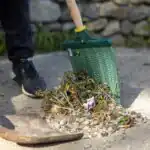
- Ọzịza: Ịzịcha unyi na ájá n’ala.
- Nhicha: Ịhịcha ala na ebe dị iche iche na mmiri na ncha.
- Nzacha Hịhịa: Ịzacha ahịhịa na ihe mkpofu n’ebe ziri ezi.
- Ịsachasị Ngwa: Ịsacha ngwa e ji arụ ọrụ ma ọ bụ ngwa e ji eri nri ka ha dị ọcha.
Ngwa E Ji Edebe Gburugburu Ọcha
Ụfọdụ ngwa e ji edebe gburugburu ọcha bụ:
- Azịza (Broom)
- Mopụ (Mop)
- Bokiti (Bucket)
- Ncha (Soap)
- Akwa nhicha (Cleaning cloth)
- Ihe mkpofu (Dustbin)
Teaching Methods/Instructional Techniques
Discussion, Lecture, Demonstration, Question and Answer, Visual Aids
Instructional Procedures
Step 1: Introduction
Time: 5 minutes
Teaching Skill: Set Induction
Teacher’s Activity: The teacher greets the pupils, reviews the previous lesson briefly, and then introduces the new topic by asking them if they know any old stories or why it is important to keep their classroom clean.
Pupils’ Activity: Pupils respond to greetings and questions, recalling past lessons and sharing initial thoughts.
Learning Point: Pupils are prepared for the new lesson and connect it to their prior knowledge.
Step 2: Akụkọ Ifo na Akụkọ Okike – Nkọwa
Time: 10 minutes
Teaching Skill: Explanation/Narration
Teacher’s Activity: The teacher defines “Akụkọ ifo” and “Akụkọ Okike” and then narrates a simple Igbo folktale and a creation story (e.g., from Genesis 1). The teacher also shows pictures related to creation.
Pupils’ Activity: Pupils listen attentively to the stories and explanations, asking questions where necessary.
Learning Point: Pupils understand the meanings of Akụkọ ifo and Akụkọ Okike and listen to examples.
Step 3: Ụdị Akụkọ Okike Dị Iche Iche
Time: 7 minutes
Teaching Skill: Discussion/Comparison
Teacher’s Activity: The teacher leads a discussion comparing the Biblical creation story (Genesis 1) with traditional Igbo creation stories, highlighting similarities and differences. The teacher encourages pupils to share any other creation stories they know.
Pupils’ Activity: Pupils participate in the discussion, comparing the stories and contributing their own knowledge.
Learning Point: Pupils can differentiate between various creation stories.
Step 4: Idebe Gburugburu Ọcha – Nkọwa na Mkpa Ya
Time: 5 minutes
Teaching Skill: Explanation
Teacher’s Activity: The teacher explains what “Idebe gburugburu ọcha” means and emphasizes its importance for health and general well-being.
Pupils’ Activity: Pupils listen and contribute reasons why cleanliness is important.
Learning Point: Pupils understand the definition and importance of environmental cleanliness.
Step 5: Ụzọ E Si Edebe Gburugburu Ọcha na Ngwa Nhicha
Time: 8 minutes
Teaching Skill: Listing/Demonstration
Teacher’s Activity: The teacher lists and explains various ways to keep the environment clean (ọzịza, nhicha, nzacha hịhịa, ịsachasị ngwa). The teacher also shows and names different cleaning tools, demonstrating their use if possible.
Pupils’ Activity: Pupils take notes, repeat the names of the cleaning methods and tools, and observe the demonstrations.
Learning Point: Pupils learn practical ways and tools for maintaining a clean environment.
Step 6: Ihe Omume Ọrụ
Time: 5 minutes
Teaching Skill: Application
Teacher’s Activity: The teacher divides pupils into small groups and asks each group to discuss how they can apply what they have learned to keep their classroom or home clean. The teacher also asks pupils to draw a simple character from a folktale discussed.
Pupils’ Activity: Pupils discuss in groups, share their ideas, and attempt to draw a character.
Learning Point: Pupils apply the lesson to real-life situations and practice their drawing skills.
Step 7: Evaluation/Review
Time: 5 minutes
Teaching Skill: Questioning/Assessment
Teacher’s Activity: The teacher evaluates the learning by asking the following questions:
- Gịnị ka Akụkọ ifo pụtara?
- Kwuo otu akụkọ okike ị maara.
- Depụta ụzọ atọ e si edebe gburugburu ọcha.
- Gịnị bụ ngwa nhicha abụọ ị maara?
Pupils’ Activity: Pupils answer orally and in writing.
Learning Point: Pupils demonstrate understanding of the lesson.
Step 8: Conclusion
Time: 2 minutes
Teaching Skill: Summarization
Teacher’s Activity: The teacher summarizes the main points of the lesson and assigns homework, which includes asking their parents or guardians to tell them another Igbo folktale.
Pupils’ Activity: Pupils listen to the summary and copy their homework.
Learning Point: Pupils consolidate their learning and prepare for further engagement with the topic.
Lesson Keywords
- Akụkọ ifo – Akụkọ e chepụtara echepụta nke a na-akọ n’ọnụ ruo n’ọnụ.
- Okike – Ịmepụta ụwa na ihe niile dị na ya.
- Gburugburu ọcha – Ebe dị ọcha na-adịghị unyi.
- Ọzịza – Iji azịza zịchaa unyi.
- Nhicha – Iji mmiri na ncha hịchaa ala ma ọ bụ ihe.
- Ngwa nhicha – Ihe e ji edebe gburugburu ọcha dịka azịza, mopụ.
Differentiation
For pupils who grasp concepts quickly, the teacher can encourage them to narrate a full folktale or list more ways to maintain cleanliness. For those who need more support, the teacher will provide simpler questions, use more visual aids, and pair them with stronger pupils for group activities.
Note for teachers using this lesson plan
Encourage pupils to use Igbo language throughout the lesson. Be flexible with time allocation for each step based on pupils’ engagement and understanding. Ensure all pupils get a chance to participate. Bring actual cleaning tools if possible for a more practical demonstration.


Community Join the conversation Open discussion +