

Note for teachers using this lesson plan
This lesson introduces students to the concept of bush burning, its detrimental effects on the environment and farmlands, and the practices that contribute to it. Prepare visual aids like charts or pictures showing the impacts of bush burning, and if possible, have video clips ready to enhance understanding. Ensure students grasp the meaning and consequences of bush burning and are able to identify ways to prevent it by the end of the lesson.
Class: JSS 1
Term: First Term
Week: 4
Age: 12 years
Duration: 45 minutes
Subject: Intermediate Science
Curriculum Theme: Our Environment
Focal competence: Demonstrate knowledge of environmental degradation, control and prevention measures
Key competencies/values: Collaboration; Responsibility; Respect; Environmental literacy
Skills:
- Demonstrating different ways of preventing bush burning in the environment
Previous Lesson: Flood Prevention and Control Measures
Topic: Environmental Degradation: Bush Burning
Subject Matter: Meaning of bush burning, Effects of bush burning in the environment and farmland
Specific Objectives
By the end of the lesson, pupils/students should be able to:
Cognitive Domain
- Define bush burning.
- Explain the effects of bush burning in the environment.
- List effects of bush burning on farmland.
- Describe socioeconomic and agricultural practices influencing bush burning.
Affective Domain
- Appreciate the negative impacts of bush burning on the environment and agriculture.
- Show responsibility towards preventing bush burning.
Psychomotor Domain
- Prepare simple campaign materials on the effects of bush burning.
- Identify and demonstrate different ways of preventing bush burning.
Reference Materials
The following resources were used in planning this lesson:
- 2025 Revised 9 Years Basic Education Curriculum
- Relevant State Unified Scheme of Work
- Pre-Vocational Studies for Junior Secondary Schools 1
- The HeadTeacher Scheme of work
Instructional Materials
The teacher will teach this lesson with the aid of:
- Video clips showing effects of bush burning
- Charts/pictures showing effects of bush burning
- Posters
Rationale for the Lesson
This lesson is important for students to understand the causes and consequences of bush burning, a significant environmental problem in Nigeria. It helps them recognise how human activities impact the environment and agriculture, fostering a sense of responsibility for environmental protection. By learning about prevention, students can contribute to sustainable practices in their communities.
Prerequisite/Previous Knowledge
Students should have a basic understanding of environmental issues and the importance of farmlands for food production.
Lesson Content/Board Summary
Environmental Degradation: Bush Burning
Meaning of Bush Burning
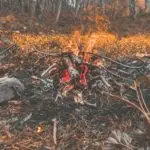
Bush burning is the uncontrolled burning of vegetation, forests, and farmlands, usually done intentionally or accidentally by humans. It is often carried out for various reasons such as clearing land for farming, hunting, or creating new pastures for livestock.
Effects of Bush Burning in the Environment
Bush burning has several harmful effects on the environment, including:
- Air Pollution: It releases large amounts of smoke, carbon dioxide, and other harmful gases into the atmosphere, contributing to air pollution and climate change.
- Loss of Biodiversity: Many plants and animals are destroyed or displaced by fires, leading to a loss of biodiversity. Rare species may become extinct.
- Soil Erosion: Fire destroys the protective plant cover and organic matter in the soil, making it more vulnerable to erosion by wind and water.
- Desertification: Repeated burning can degrade land over time, turning fertile areas into barren land, a process known as desertification.
- Habitat Destruction: The natural homes of many wild animals are destroyed, forcing them to migrate or leading to their death.
Effects of Bush Burning on Farmland
Bush burning also has severe consequences for farmlands:
- Loss of Soil Fertility: It burns off the organic matter and beneficial microorganisms in the soil, reducing its fertility and nutrient content. This makes the soil less productive for crops.
- Destruction of Crops: Growing crops, stored harvests, and farm equipment can be destroyed by uncontrolled fires.
- Death of Beneficial Organisms: Earthworms, insects, and other organisms that help aerate the soil and decompose organic matter are killed by the heat.
- Increased Pests and Diseases: While some pests might be temporarily reduced, the destruction of natural predators can lead to an increase in pest populations in the long run.
- Reduced Water Retention: The destruction of organic matter reduces the soil’s ability to hold water, making farmlands more susceptible to drought.
Socioeconomic and Agricultural Practices Influencing Bush Burning
Several human activities and traditional practices contribute to bush burning:
- Land Clearing for Farming: Farmers often burn bushes to clear land quickly for cultivation, believing it makes the soil more fertile in the short term.
- Hunting: Hunters sometimes set fire to bushes to drive out animals for easy capture.
- Pasture Management: Herdsmen may burn old grass to encourage the growth of new, fresh grass for their livestock.
- Waste Disposal: People sometimes burn refuse and waste in open fields, which can spread to nearby bushes.
- Traditional Beliefs: In some areas, bush burning is part of traditional rituals or believed to ward off evil spirits.
- Accidental Fires: Careless disposal of cigarette butts, unattended campfires, or sparks from machinery can also cause bush fires.
Teaching Methods/Instructional Techniques
Discussion, Demonstration, Question and Answer, Explanation, Observation, Group Work, Video Presentation
Instructional Procedures
Step 1: Introduction
Time: 5 minutes
Teaching Skill: Questioning/Activating prior knowledge
Teacher’s Activity: The teacher asks students about their understanding of “environmental degradation” and if they have ever seen or heard about bush burning. The teacher then introduces the topic: Environmental Degradation: Bush Burning.
Pupils’ Activity: Students share their ideas and listen attentively.
Learning Point: Introduction to bush burning
Step 2: Meaning of Bush Burning
Time: 8 minutes
Teaching Skill: Explanation/Definition
Teacher’s Activity: The teacher explains the meaning of bush burning, giving examples of how it occurs and its general purpose. The teacher uses pictures or charts to illustrate.
Pupils’ Activity: Students listen, ask questions, and observe the pictures/charts.
Learning Point: Definition of bush burning
Step 3: Effects of Bush Burning in the Environment
Time: 10 minutes
Teaching Skill: Explanation/Demonstration
Teacher’s Activity: The teacher explains the effects of bush burning on the environment, such as air pollution, loss of biodiversity, soil erosion, and habitat destruction. The teacher may show relevant video clips or charts.
Pupils’ Activity: Students watch the video/observe charts, take notes, and contribute to discussions.
Learning Point: Environmental effects of bush burning
Step 4: Effects of Bush Burning on Farmland
Time: 7 minutes
Teaching Skill: Explanation/Listing
Teacher’s Activity: The teacher discusses the specific effects of bush burning on farmlands, including loss of soil fertility, destruction of crops, and death of beneficial organisms. The teacher encourages students to list these effects.
Pupils’ Activity: Students listen, list effects, and share their observations.
Learning Point: Farmland effects of bush burning
Step 5: Socioeconomic and Agricultural Practices Influencing Bush Burning
Time: 7 minutes
Teaching Skill: Discussion/Elaboration
Teacher’s Activity: The teacher leads a discussion on various socioeconomic and agricultural practices that lead to bush burning, such as land clearing for farming, hunting, and pasture management. The teacher asks students to identify practices in their local community.
Pupils’ Activity: Students identify and discuss practices in their community.
Learning Point: Practices influencing bush burning
Step 6: Prevention and Awareness
Time: 3 minutes
Teaching Skill: Brainstorming/Application
Teacher’s Activity: The teacher briefly discusses ways to prevent bush burning and encourages students to think about how they can create awareness. This links to the activity of preparing campaign materials.
Pupils’ Activity: Students brainstorm prevention methods and awareness ideas.
Learning Point: Bush burning prevention methods
Step 7: Evaluation/Review
Time: 5 minutes
Teaching Skill: Questioning/Assessment
Teacher’s Activity: The teacher evaluates the learning by asking the following questions:
- What is bush burning?
- Mention two effects of bush burning on the environment.
- State two effects of bush burning on farmland.
- Name one agricultural practice that influences bush burning.
Pupils’ Activity: Pupils answer orally and in writing.
Learning Point: Understanding of bush burning
Step 8: Note-Taking
Time: 4 minutes
Teaching Skill: Guided Writing
Teacher’s Activity: The teacher guides pupils/students to copy the essential Board Summary notes on the meaning, effects, and influencing practices of bush burning into their notebooks.
Pupils’ Activity: Pupils/students copy the notes carefully into their notebooks.
Learning Point: Recording lesson content
Step 9: Conclusion
Time: 1 minute
Teaching Skill: Reinforcement
Teacher’s Activity: The teacher summarises the lesson by reiterating the importance of preventing bush burning for a healthy environment and productive farmlands. The teacher encourages students to be environmental advocates.
Pupils’ Activity: Students listen and reflect on the lesson.
Learning Point: Importance of prevention
Continuous Assessment/Further Study
Type: Group Work/Project
Instruction: In groups, students will:
- Prepare campaign posters or flyers highlighting the meaning and negative effects of bush burning on the environment and farmlands.
- Suggest practical ways to prevent bush burning in their local community.
- Present their campaign materials and suggestions to the class next week.
- Search the internet (with parental/guardian supervision) for short video clips on the effects of bush burning and be ready to share key points from what they watched.
Lesson Keywords
- Bush burning – Uncontrolled burning of vegetation.
- Environmental degradation – Deterioration of the environment.
- Biodiversity – Variety of life on Earth.
- Soil erosion – Washing or blowing away of topsoil.
- Farmland – Land used for growing crops or raising animals.
Differentiation
For slower learners: Provide simplified diagrams and explanations of bush burning and its effects. Pair them with faster learners for group activities. Focus on identifying and listing key effects.
For faster learners: Encourage them to research specific case studies of bush burning in Nigeria or globally. Task them with leading discussions on prevention strategies and creating more detailed campaign messages.
Suggested Lesson Videos
For videos on the effects of bush burning, search on YouTube for: effects of bush burning on environment and farmland
Teacher Guide for Using This Lesson Plan
Before the lesson, ensure you have charts, pictures, or posters illustrating bush burning and its effects. If using video clips, confirm they are downloaded or accessible and appropriate for JSS 1 students. Begin by engaging students with questions about environmental degradation and bush burning to activate their prior knowledge. Systematically explain the meaning, environmental effects, farmland effects, and influencing practices, using visual aids to make the concepts concrete. Encourage active participation through questions and discussions. During Step 7, assess understanding using the provided questions. Guide students to copy the Board Summary notes in Step 8. For the continuous assessment, ensure students understand the task of creating campaign materials and researching videos, emphasising collaboration and responsibility. Provide extra support to students who struggle with understanding the concepts by simplifying terms and offering additional examples. Challenge faster learners to think critically about solutions and broader implications of bush burning.

Community Join the conversation Open discussion +