

Note for teachers using this lesson plan
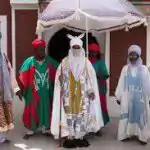
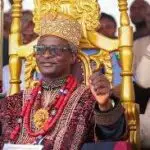
Before this lesson, gather pictures of various traditional rulers (Obas, Emirs, Ezes, Igwes) and their regalia. Prepare a chart showing different chieftaincy titles and their roles in simple terms. The central idea for pupils is to understand that chiefs are important leaders in our communities who help people. Observe pupils’ ability to identify a chief in a picture and mention one simple role they play.
Class: Pre-School Level 3
Term: Second Term
Week: 5
Age: 4 years
Duration: 30 minutes
Subject: Civic Education
Curriculum Theme: Civic Education
Previous Lesson: Not separately stated in the scheme.
Topic: Chieftaincy
Subject Matter: Meaning and roles of chieftaincy, titles and title holders.
Specific Objectives
By the end of the lesson, pupils should be able to:
Cognitive Domain
- Define chieftaincy in simple terms.
- Identify pictures of traditional rulers/chiefs.
- Name at least one role of a chief in the community.
- Mention one or two chieftaincy titles.
Affective Domain
- Show respect when discussing traditional rulers.
- Appreciate the role of chiefs in their community.
Psychomotor Domain
- Point to a chief in a picture.
- Participate in a simple role-play of a chief.
Social Domain
- Engage in discussions about community leaders.
- Share ideas about how chiefs help people.
Reference Materials
- NAPPS National Unified Teaching Scheme for Pre-School Level 3.
- Relevant Early Childhood Care and Education resources.
Instructional Materials
- Charts showing pictures of traditional rulers (Oba, Eze, Emir, Igwe).
- Posters depicting chiefs in their traditional attire.
- Pictures of community activities where chiefs play a role (e.g., settling disputes, attending festivals).
- Toy crown or staff for role-play.
- Audio recording of a traditional song (optional).
Rationale for the Lesson
This lesson introduces 4-year-olds to the concept of chieftaincy, helping them understand that there are important leaders in their communities called chiefs. Learning about chiefs and their roles helps children develop an early sense of community, respect for authority, and an appreciation for their cultural heritage, preparing them to be responsible citizens.Prerequisite/Previous Knowledge
Pupils can identify their parents and teachers as leaders in their home and school. They can also name some important people in their community.Lesson Content/Board Summary
Meaning and Roles of Chieftaincy, Titles and Title Holders
Chieftaincy means having traditional leaders called chiefs in our community. These chiefs are important people who help to lead and take care of everyone.
Roles of Chiefs:
- They help people in the community.
- They keep the peace and settle disagreements.
- They tell us about our culture and traditions.
- They represent our community to others.
- They celebrate with us during festivals.
Chieftaincy Titles: These are special names given to chiefs. Examples include:
- Oba (Yoruba)
- Eze (Igbo)
- Emir (Hausa)
- Igwe (Igbo)
Title Holders: These are the actual people who are the chiefs. For example, the Oba of Benin, the Emir of Kano, the Eze of Nri.
Key Words
- Chief – An important traditional leader in the community.
- Community – The place where we live with other people.
- Titles – Special names given to chiefs.
Our Community Chief Song
Tune: “Twinkle, Twinkle Little Star”
Lyrics:
Our dear chief, so kind and wise,
Helps our people, big and small.
Wears a crown, a special dress,
Leads our village, does his best.
Our dear chief, so kind and wise,
Helps our people, big and small.
Actions: Point to head (for crown), make a helping gesture, point to community, nod head, clap hands.
Watch and Learn About Our Chiefs
💡 Teacher Guide for Using This Board Summary
How to teach the content: Begin by showing pictures of different chiefs and their attire. Ask pupils what they see. Explain “chieftaincy” as having these special leaders. Use simple, clear sentences. Discuss the roles of chiefs by asking “What do you think this important person does?” and guide their answers. Introduce a few common titles like Oba, Eze, Emir, Igwe, showing corresponding pictures. Emphasize that these are names for the chiefs. Reinforce key words by repeating them and asking pupils to repeat after you.
What to show or demonstrate: Display charts and posters of various traditional rulers. Point to their crowns, staffs, and traditional clothes. Demonstrate the actions for the song. If available, wear a simple toy crown or hold a staff to role-play a chief.
How to use the rhyme/song: Introduce “Our Community Chief Song” after discussing the roles of chiefs. Sing it together slowly, demonstrating the actions. Repeat the song 2-3 times to help pupils learn the lyrics and actions, encouraging them to sing along.
How to use the video: Introduce the video as a short story about chiefs in Nigeria. Tell pupils to watch carefully and listen to what the chiefs do. After watching, ask simple questions like “What did you see the chief doing in the video?” or “What special clothes did the chiefs wear?” Encourage pupils to share their observations.
What to watch for: Observe if pupils can point to a chief in a picture and if they can repeat simple chieftaincy titles. Watch for their engagement during the song and video, and their willingness to participate in discussions.
Teaching Methods/Instructional Techniques
Play-based Learning, Demonstration, Guided Discussion, Picture Talk, Question and Answer, Songs and Rhymes, Role-play, Repetition.Instructional Procedures
Step 1: Introduction
Time: 3 minutes
Teaching Skill: Engagement/Recall
Teacher’s Activity: The teacher greets the pupils and leads a short song about community helpers. The teacher then asks pupils to name important people in their community (e.g., parents, teachers, doctor).
Pupils’ Activity: Pupils greet the teacher, sing along, and name familiar community helpers.
Learning Point: Pupils recall familiar community figures.
Step 2: Meaning of Chieftaincy
Time: 5 minutes
Teaching Skill: Explanation/Visual Aid
Teacher’s Activity: The teacher shows pictures of various traditional rulers (Obas, Ezes, Emirs) and explains in simple terms that these are chiefs, and having them is called “chieftaincy.” The teacher asks pupils to identify the special clothes or crowns the chiefs wear.
Pupils’ Activity: Pupils look at the pictures, listen to the explanation, and point to the chiefs’ special attire.
Learning Point: Pupils understand that chiefs are important leaders and chieftaincy is about having them.
Step 3: Roles of Chiefs
Time: 5 minutes
Teaching Skill: Discussion/Storytelling
Teacher’s Activity: The teacher discusses the simple roles of chiefs using pictures (e.g., helping people, keeping peace, telling cultural stories). The teacher asks, “What do you think our chief does to help us?”
Pupils’ Activity: Pupils listen, observe the pictures, and offer simple ideas about what chiefs do.
Learning Point: Pupils can identify simple roles of chiefs in the community.
Step 4: Chieftaincy Titles
Time: 4 minutes
Teaching Skill: Naming/Repetition
Teacher’s Activity: The teacher introduces a few common chieftaincy titles like Oba, Eze, Emir, Igwe, showing pictures of chiefs corresponding to each title. The teacher asks pupils to repeat the titles after her.
Pupils’ Activity: Pupils listen to the titles, look at the pictures, and repeat the names.
Learning Point: Pupils can identify and repeat some chieftaincy titles.
Step 5: Title Holders
Time: 3 minutes
Teaching Skill: Identification/Association
Teacher’s Activity: The teacher points to a picture of a chief and says, “This is the Oba. He is a title holder.” The teacher then asks pupils to point to another chief and say “He/She is a chief.”
Pupils’ Activity: Pupils point to pictures of chiefs and say “He/She is a chief.”
Learning Point: Pupils understand that title holders are the actual chiefs.
Step 6: Reinforcement (Song and Video)
Time: 6 minutes
Teaching Skill: Reinforcement/Engagement
Teacher’s Activity: The teacher leads pupils in singing “Our Community Chief Song” with actions. Afterwards, the teacher plays the short video “Traditional Rulers in Nigeria” and facilitates a brief discussion about what they saw the chiefs doing.
Pupils’ Activity: Pupils sing the song with actions, watch the video, and share their observations about the chiefs.
Learning Point: Pupils reinforce their understanding of chiefs and their roles through song and visual learning.
Step 7: Evaluation/Review
Time: 4–5 minutes
Teaching Skill: Questioning/Assessment
Teacher’s Activity: The teacher checks pupils’ understanding through short questions and practical tasks.
- Show me a picture of a chief.
- What is one thing a chief does to help our community?
- Can you say one special name for a chief (title)?
- Who are the important leaders in our community?
Pupils’ Activity: Pupils respond orally and demonstrate the required skill where appropriate.
Learning Point: Pupils demonstrate understanding of the lesson.
Step 8: Conclusion
Time: 1 minute
Teaching Skill: Summarization/Praise
Teacher’s Activity: The teacher praises the pupils for their participation and summarizes that chiefs are important leaders who help our community. The teacher encourages pupils to respect chiefs and other community leaders.
Pupils’ Activity: Pupils listen to the summary and respond to the teacher’s praise.
Learning Point: Pupils conclude the lesson with a positive reinforcement of respect for leaders.
Lesson Keywords
- Chief – An important traditional leader in the community.
- Chieftaincy – The system of having traditional leaders (chiefs) in a community.
- Titles – Special names given to chiefs (e.g., Oba, Eze, Emir).
- Community – The place where we live with other people.
Differentiation
- Support: For pupils who need extra help, the teacher can use fewer pictures, repeat the key terms more frequently, and provide hand-over-hand guidance to point to chiefs. Focus on identifying just one chief and one role.
- Extension: For pupils who grasp the concept quickly, the teacher can ask them to name a chief from their own local community if known, or describe what a chief might do in a specific scenario (e.g., “What if two children are fighting, what would the chief do?”).
Community Join the conversation Open discussion +