

Note for teachers using this lesson plan
Before this lesson, prepare some large pictures of different family members (parents, children, grandparents, aunties, uncles). The central idea for pupils is to understand that “kin” means family members and that family members love and help each other. Observe if pupils can name their own family members and participate in discussions about helping their kin.
Class: Pre-School Level 3
Term: Second Term
Week: 4
Age: 4 years
Duration: 30 minutes
Subject: Civic Education
Curriculum Theme: Civic Education
Previous Lesson: Understanding rules at home and school.
Topic: KINSHIP
Subject Matter: Meaning of kinship, family relations and importance of kin.
Specific Objectives
By the end of the lesson, pupils should be able to:
Cognitive Domain
- Define kinship in simple terms.
- Identify different members of their family (kin).
- State at least two reasons why kin are important.
Affective Domain
- Show love and appreciation for their family members.
- Express feelings of happiness when talking about their kin.
Psychomotor Domain
- Point to pictures of different family members.
- Participate in a simple role-play demonstrating family relations.
Social Domain
- Share names of their kin with classmates.
- Discuss how they interact with their kin.
Reference Materials
- NAPPS National Unified Teaching Scheme for Pre-School Level 3.
- Early Childhood Care and Education curriculum resources.
- Pictures of various family members.
Instructional Materials
- Chart showing different family members (e.g., mother, father, children, grandparents).
- Posters with pictures of families.
- Flashcards with names of family members (e.g., Mummy, Daddy, Brother, Sister).
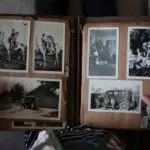
- Family photo album (teacher’s own or sample).
Rationale for the Lesson
This lesson helps 4-year-olds understand their place within their immediate and extended family. Learning about kinship fosters a sense of belonging, love, and responsibility towards family members, which are foundational for social development and community living.Prerequisite/Previous Knowledge
Pupils can identify their parents and siblings. They know their own name and the names of a few people in their home.Lesson Content/Board Summary
Meaning of Kinship, Family Relations and Importance of Kin
What is Kinship?
Kinship means all the people in our family. Our kin are our family members.
- Mummy and Daddy are our kin.
- Our brothers and sisters are our kin.
- Grandma and Grandpa are our kin.
- Aunties, Uncles, and Cousins are also our kin.
Family Relations (How we relate to our kin):
- We love our kin.
- We play with our kin.
- We help our kin.
- We share with our kin.
Importance of Kin (Why kin are important):
- Our kin care for us.
- Our kin teach us good things.
- Our kin make us happy.
- Our kin keep us safe.
- Our kin support us.
Key Words
- Kin – Our family members.
- Family – A group of people related to each other.
- Love – To care for someone very much.
- Help – To do something useful for someone.
My Family Song
Tune: “Twinkle, Twinkle Little Star”
Lyrics:
Mummy, Daddy, I love you,
Brother, Sister, I love you too.
Grandma, Grandpa, so kind and true,
All my family, I love you!
We play and laugh, we help and share,
Happy family, everywhere!
Actions: Hug self for “love you,” point to different directions for “everywhere,” clap for “happy.”
Watch and Learn About Family
💡 Teacher Guide for Using This Board Summary
How to teach the content: Introduce “kinship” by relating it to “family.” Use the prepared chart or pictures to point to different family members as you name them. Ask pupils to name their own family members. Engage them in a simple discussion about what they do with their family members (play, eat, talk, help). Emphasize the positive aspects of family relations.
What to show or demonstrate: Show pictures of diverse families. Point to each family member and say their name (e.g., “This is Mummy,” “This is Daddy”). Demonstrate simple actions like hugging or helping to illustrate family relations. You can also show your own family photo (if comfortable) to make it personal.
How to use the rhyme/song: Teach the “My Family Song” by singing it slowly first, then repeating it with actions. Encourage pupils to sing along and perform the actions. Sing it a few times to help them remember the words and the idea of loving their family.
How to use the video: Introduce the video as a fun way to learn more about family members. Play the video “My Family Song | The Kids’ Picture Show.” After watching, ask pupils to name some family members they saw in the video and what they do together.
What to watch for: Observe if pupils can identify and name their immediate family members. Listen for their understanding of “kin” as family. Correct any misconceptions gently by reiterating that kin are the people in our family who love and care for us.
Teaching Methods/Instructional Techniques
Play-based Learning, Demonstration, Guided Practice, Songs and Rhymes, Picture Talk, Question and Answer, Role-play, Repetition, Discussion.Instructional Procedures
Step 1: Introduction
Time: 3 minutes
Teaching Skill: Engaging/Recalling
Teacher’s Activity: The teacher greets the pupils and asks them to name the people they live with at home. “Who lives in your house with you?”
Pupils’ Activity: Pupils respond by naming their parents, siblings, or other family members.
Learning Point: Pupils recall who lives in their home, connecting to the idea of family.
Step 2: Meaning of Kinship
Time: 5 minutes
Teaching Skill: Explaining/Defining
Teacher’s Activity: The teacher introduces the word “kinship” and explains that “kin” means all the people in our family. The teacher shows a chart of a family and points to each member, saying, “These are our kin, our family.”
Pupils’ Activity: Pupils listen, look at the chart, and repeat “kin” and “family.”
Learning Point: Pupils understand that kin are family members.
Step 3: Identifying Kin
Time: 6 minutes
Teaching Skill: Identifying/Guiding
Teacher’s Activity: The teacher guides pupils to mention their own kin in the family. “Who is your Mummy? Who is your Daddy? Do you have brothers or sisters? What about Grandma or Grandpa?” The teacher encourages pupils to share names.
Pupils’ Activity: Pupils mention names of their kin, like Mummy, Daddy, brother, sister, etc.
Learning Point: Pupils can identify and name their immediate family members.
Step 4: Family Relations Discussion
Time: 5 minutes
Teaching Skill: Discussing/Encouraging
Teacher’s Activity: The teacher asks, “What do we do with our kin? How do we show them we love them?” The teacher encourages answers like “play,” “help,” “share,” “hug.” The teacher demonstrates simple actions.
Pupils’ Activity: Pupils respond with actions and words, showing how they relate to their kin.
Learning Point: Pupils understand positive interactions within a family.
Step 5: Importance of Kin and Song
Time: 5 minutes
Teaching Skill: Explaining/Singing
Teacher’s Activity: The teacher explains why kin are important (they care for us, teach us, make us happy). The teacher then leads pupils in singing “My Family Song” with actions to reinforce the lesson.
Pupils’ Activity: Pupils listen, sing the song, and perform the actions.
Learning Point: Pupils appreciate the importance of their kin and express it through song.
Step 6: Video Reinforcement
Time: 4 minutes
Teaching Skill: Visual Learning/Observation
Teacher’s Activity: The teacher plays the “My Family Song | The Kids’ Picture Show” video. After the video, the teacher asks pupils to name some family members they saw and what they did together.
Pupils’ Activity: Pupils watch the video and answer questions about the family members shown.
Learning Point: Pupils reinforce their understanding of family members and their interactions through visual media.
Step 7: Evaluation/Review
Time: 4–5 minutes
Teaching Skill: Questioning/Assessment
Teacher’s Activity: The teacher checks pupils’ understanding through short questions and practical tasks.
- “Who are your kin?” (Pupils name some family members).
- “Show me a picture of a Mummy/Daddy/Brother/Sister on the chart.” (Pupils point).
- “What is one thing your kin do for you?” (e.g., care, teach, play).
Pupils’ Activity: Pupils respond orally and demonstrate the required skill where appropriate.
Learning Point: Pupils demonstrate understanding of the lesson.
Step 8: Conclusion
Time: 2 minutes
Teaching Skill: Summarising/Encouraging
Teacher’s Activity: The teacher praises the pupils and reminds them that their kin are special people who love and care for them. The teacher encourages them to always show love and respect to their family members.
Pupils’ Activity: Pupils listen and say “Yes, teacher!” or “I love my family!”
Learning Point: Pupils feel encouraged to value and respect their family.
Lesson Keywords
- Kin – All the people in our family.
- Family – A group of people who are related to each other.
- Love – To feel great affection for someone.
- Help – To assist someone in doing something.
- Relations – How people in a family connect and interact.
Differentiation
- Support: For pupils who struggle, use larger, clearer pictures of family members. Focus on identifying just two or three immediate kin (Mummy, Daddy, self). Provide hand-over-hand guidance for pointing to pictures. Repeat key phrases like “Kin are family” multiple times.
- Extension: For pupils who grasp the concept quickly, encourage them to name more extended kin (aunties, uncles, cousins). Ask them to draw a picture of their family and tell a short story about what they do with their kin.

Community Join the conversation Open discussion +