Class: Primary Three
Term: first Term
Subject: National Values Education
Curriculum Theme: Social Studies
Previous Lesson: Meaning and Types of Religion
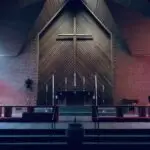
topic: Religious Practices
Content/Learning Area: Differences in Religious Practices and Beliefs, Objects Used for worship
Time Allocation: 40 minutes
Performance objectives
By the end of the lesson, pupils should be able to:
- Cognitive Domain:
1. List differences in religious practices and beliefs of various types of religions.
2.List objects used for worship in various types of religions.
- Affective Domain:
1.Show respect for different religious beliefs and practices.
2. Demonstrate an understanding and appreciation for religious diversity.
- Psychomotor Domain:
1. actively participate in class discussions about religious practices.
- Social Domain:
1. Engage in respectful discussions about religious differences with peers.
Reference Materials
- 9 – Years Basic Education Curriculum
- Abuja Educational Resource Center Scheme of Work
- NAPPS National Unified Scheme of Work
- Relevant Textbooks
Instructional Materials
To deliver this lesson, the teacher will use a whiteboard or chart paper, markers, and relevant pictures or illustrations of religious objects and practices.
Rationale for the Lesson
Understanding religious practices fosters tolerance and respect for diverse cultures. This lesson builds empathy and promotes peaceful coexistence in a diverse society.
Prerequisite/Previous Knowledge
The teacher will begin by asking pupils to share what they already know about different religions. A brief discussion will follow, setting the stage for learning about religious practices and beliefs.
Lesson Content
Differences in Religious Practices and Beliefs
religious practices are how people show their faith. Many religions exist, each with unique practices. Understanding these differences helps us appreciate diverse cultures.
Christianity
Christians believe in Jesus Christ.They show their faith in various ways:
The following are some Christian practices:
- Worship in churches
- following the Bible
- Attending services
- Praying
- Celebrating holidays like Christmas and Easter
- Participating in baptism and communion
- Engaging in charitable activities and community service
Islam
muslims believe in Allah and follow the teachings of Prophet Muhammad.
These include:
- Worship in mosques
- Following the Quran
- Praying five times daily
- Fasting during Ramadan
- Making a pilgrimage to Mecca (if able)
- Giving to charity (Zakat)
- Following Islamic dietary laws (Halal)
Judaism
Jews believe in one God and follow the Torah.
They are:
- Worship in synagogues
- Celebrating holidays like Passover and Hanukkah
- Observing the Sabbath
- Keeping kosher dietary laws
- reading and studying the Torah
- participating in bar or bat mitzvahs
- Observing yom Kippur with fasting and repentance
Hinduism
Hindus believe in brahman and worship various gods and goddesses. They believe in reincarnation and karma.
They are:
- Practicing meditation
- Performing rituals
- Visiting temples
- Celebrating festivals like Diwali and Holi
- Following the caste system (though increasingly less prevalent)
- Studying sacred texts like the Vedas and Upanishads
- Practicing yoga and other spiritual disciplines
Buddhism
Buddhists follow the Four Noble Truths and the Eightfold Path. They believe in karma and reincarnation.
They are:
- Practicing meditation
- Chanting
- Visiting temples
- following the teachings of the Buddha
- Seeking enlightenment (Nirvana)
- practicing mindfulness
- Observing monastic traditions (for monks and nuns)
Objects Used for Worship
Many religions use objects to connect with their faith. These can be symbols, prayer tools, or reminders of teachings.
Christianity
Examples are:
- The Bible
- Crosses
- Rosaries
- Crucifixes
- Icons
- Candles
- Communion elements (bread and wine)
Islam
Examples are:
- The Quran
- Prayer mats
- Rosaries (Tasbih)
- Prayer beads
- Miswak (tooth-cleaning twig)
- Kufi (prayer cap for men)
- Hijab (headscarf for women)
Judaism
Examples are:
- The Torah
- Yarmulkes (kippah)
- Prayer shawls (Tallit)
- Tefillin (phylacteries)
- Mezuzah
- Shofar (ram’s horn)
- Seder plate (for Passover)
Hinduism
Examples are:
- Idols (Murtis)
- Statues
- Sacred texts (Vedas, Upanishads, Bhagavad Gita)
- Prayer beads (Japa Mala)
- Incense
- Diyas (oil lamps)
- Sacred threads (Rakhi)
Buddhism
Examples are:
- Statues of Buddha
- Prayer beads (Mala)
- Incense
- Prayer wheels
- Singing bowls
- Mandala
- Thangka (painted or embroidered banner)
Customary Religions
Examples are:
- Offerings
- Idols
- Drums
- sacred masks
- Community-specific objects
- Shrines
- Amulets and charms
Many religions also use incense.
teaching Methods
To deliver this lesson, the teacher will adopt the following methods: Discussion, Question and answer, Use of Visual Aids.
Instructional Procedures
To deliver this lesson, the teacher will adopt the following steps:
Step 1: Introduction
Time: 5 minutes
Teaching Skill: Set Induction
teacher’s Activity: Ask students what they know about different religions.
Pupils’ Activity: Share their prior knowledge and participate in a brief discussion.
Step 2: Clarification of Key Concepts
Time: 10 minutes
Teaching Skill: Explanation
Teacher’s Activity: Explain the concept of religious practices and their importance.
Pupils’ Activity: listen attentively and ask clarifying questions.
Step 3: Exhibition/Guided practice
Time: 10 minutes
Teaching Skill: Demonstration
Teacher’s Activity: Show pictures of religious objects and explain their importance.
Pupils’ Activity: Observe and participate in discussions.
Step 4: Independent Practice
Time: 5 minutes
Teaching Skill: Guided Practice
Teacher’s Activity: Guide pupils to list differences in religious practices and objects used for worship.
Pupils’ Activity: Complete the activity individually or in small groups.
Step 5: Note-Taking
Time: 5 minutes
Teaching Skill: Note-Taking
Teacher’s Activity: Guide pupils in taking notes on key concepts.
Pupils’ Activity: Write down vital points from the lesson.
Step 6: Evaluation/Review
Time: 5 minutes
Teaching Skill: Questioning
Teacher’s Activity: ask review questions to assess understanding.
Pupils’ Activity: Answer the questions.
Objective-aligned checks:
- List differences in religious practices and beliefs of various types of religions.
- List objects used for worship in various types of religions.
- Show respect for different religious beliefs and practices.
Step 7: Conclusion
time: 2 minutes
Teaching Skill: summarizing
Teacher’s Activity: Summarize the key points and emphasize the importance of respecting all religions. Assign a short homework activity where pupils research a religion of their choice.
Pupils’ Activity: Listen to the summary and note the homework assignment.
Lesson Keywords
- religion – A set of beliefs concerning the cause, nature, and purpose of the universe.
- Practice – The actual application or use of an idea,belief,or method.
- Belief – An acceptance that a statement is true or that something exists.
- Worship – The feeling or expression of reverence and adoration for a deity.
- Tolerance – The ability or willingness to tolerate the existence of opinions or behavior that one dislikes or disagrees with.
- Diversity – The state of being diverse; variety.
Lesson Evaluation
To evaluate the learning, the teacher asks pupils to:
- Why is it significant to understand different religious practices?
- Name one object used for worship in your religion.
- What are some differences between Christian and Islamic practices?
- What is the significance of the Bible in Christianity?
- What is the significance of the Quran in Islam?
Assignment/Homework
- Research a religion of your choice and write a short paragraph about its main beliefs and practices.
- list three objects used for worship in the religion you researched.
- Explain why it is important to respect all religions, even if you do not agree with their beliefs.
Differentiation
- For slower learners: Provide one-on-one assistance and simplified explanations.
- For advanced learners: Encourage independent research on specific religious practices.
- For visual/auditory/kinesthetic learners: Use visual aids, discussions, and hands-on activities to cater to different learning styles.
Note for Teachers
Ensure to create a safe and respectful surroundings for discussing religious practices. Be sensitive to the diverse backgrounds of the pupils and encourage open-mindedness and empathy.