

Class: Junior Secondary School 2 (JSS2, JSS 2)
Term: 1st Term
Week: 8
Age: 13 years
Duration: 45 minutes
Subject: Business Studies
Curriculum Theme: Business Studies
Previous Lesson: Functions of Channels of Distribution: Producer, Wholesaler, Retailer, and Consumer
Topic: Sales Document
Subject Matter: Sales Document: Invoice, Performa invoice, Receipt, Sales daybook, Quotation, Debit note
Specific Objectives
By the end of the lesson, pupils should be able to:
- Cognitive Domain:
(a) Identify different types of sales documents.
(b) State the uses of invoice, proforma invoice, receipt, sales daybook, quotation, and debit note. - Affective Domain:
(a) Appreciate the importance of proper documentation in business transactions. - Psychomotor Domain:
(a) Demonstrate how to fill simple sales documents such as receipts and invoices. - Social Domain:
(a) Work collaboratively in groups to analyze examples of sales documents.
Reference Materials
The following resources was used in planning this lesson:
- 9 Years Basic Education Curriculum
- Lagos State Unified Scheme of work for Junior Secondary Schools
- Investopedia – “What is a Receipt?” (https://www.investopedia.com/terms/r/receipt.asp)
- Relevant Textbooks
Instructional Materials
The teacher will teach this lesson with the aid of:
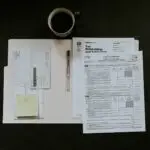
- Samples of sales documents (invoice, receipt, quotation, debit note)
- Whiteboard and markers
- Chart showing flow of sales documents in transactions
- Printed template forms for practice
- Projector or slides (if available)
Rationale for the Lesson
This lesson is important because business transactions rely on proper sales documents for record-keeping, transparency, and accountability in commercial dealings.
Prerequisite/Previous Knowledge
Pupils are familiar with the concept of trade, buying and selling, and have seen receipts and other documents used during purchases in shops or markets.
Lesson Content/Board Summary
Sales Document
Sales documents are official papers used to record and support the process of buying and selling goods or services. They help in keeping records of transactions and serve as evidence between buyers and sellers.
Invoice
An invoice is a document sent by the seller to the buyer showing goods supplied and the amount due for payment.
The following are the features of an invoice:
- Name and address of seller and buyer.
- Description of goods supplied.
- Quantity and price of goods.
- Total amount to be paid.
- Terms of payment.
Proforma Invoice
A proforma invoice is a document prepared by the seller before supplying goods. It shows details of goods and expected costs to enable the buyer make decisions.
The following are the uses of proforma invoice:
- To inform the buyer about the cost of goods before purchase.
- To help the buyer arrange for funds.
- To serve as a quotation in some cases.
Receipt
A receipt is a document issued by the seller to the buyer as proof of payment made for goods or services.
The following are the features of a receipt:
- Date of transaction.
- Amount received.
- Name of the payer.
- Signature of the receiver.
- Purpose of payment.
Sales Daybook
A sales daybook is a record kept by a business that shows all credit sales made in a period. It is part of the books of original entry.
The following are the importance of a sales daybook:
- It records all credit sales in one place.
- It helps in preparing the sales account.
- It serves as evidence of transactions for reference.
Quotation
A quotation is a document sent by a seller to a potential buyer stating the price and terms of supply for goods or services.
The following are the importance of a quotation:
- It informs the buyer of the price of goods.
- It enables the buyer to compare offers from different sellers.
- It serves as a basis for negotiation between buyer and seller.
Debit Note
A debit note is a document sent by a seller to a buyer to correct an undercharge or to demand return of goods not properly charged.
The following are the uses of a debit note:
- To increase the amount payable by the buyer.
- To correct errors made in invoices.
- To record goods returned by the buyer to the seller.
Teaching Methods/Instructional Techniques:
Lecture, Discussion, Explanation, Demonstration, Group Work, Question and Answer, Use of Visual Aids
Instructional Procedures
To deliver this lesson, the teacher will adopt the following steps:
Step 1: Introduction
Time: 5 minutes
Teaching Skill: Set Induction
Teacher’s Activity: Teacher asks pupils to share examples of documents they have seen when goods are bought or sold.
Pupils’ Activity: Pupils mention receipts, invoices, or quotations they have encountered.
Learning Point: Pupils are introduced to the topic of sales documents.
Step 2: Explanation of Invoice and Proforma Invoice
Time: 10 minutes
Teaching Skill: Explanation
Teacher’s Activity: Teacher explains invoice and proforma invoice, shows sample copies, and states their uses.
Pupils’ Activity: Pupils listen, observe, and ask questions.
Learning Point: Pupils understand invoice and proforma invoice.
Step 3: Explanation of Receipt and Sales Daybook
Time: 10 minutes
Teaching Skill: Discussion
Teacher’s Activity: Teacher describes receipt and sales daybook, their features and importance, using examples.
Pupils’ Activity: Pupils contribute by identifying details found on receipts.
Learning Point: Pupils understand receipt and sales daybook.
Step 4: Explanation of Quotation and Debit Note
Time: 10 minutes
Teaching Skill: Demonstration
Teacher’s Activity: Teacher explains quotation and debit note and provides sample copies.
Pupils’ Activity: Pupils discuss how these documents are used in real life.
Learning Point: Pupils understand quotation and debit note.
Step 5: Note-Taking
Time: 5 minutes
Teaching Skill: Explanation
Teacher’s Activity: Teacher dictates or writes the board summary for pupils to copy.
Pupils’ Activity: Pupils write the notes into their exercise books.
Learning Point: Pupils have a written record of the lesson.
Step 6: Evaluation/Review
Time: 3 minutes
Teaching Skill: Questioning
Teacher’s Activity: The teacher evaluates the learning by asking the following questions:
- State three features of an invoice.
- What is a proforma invoice used for?
- Mention two features of a receipt.
- State two importance of a sales daybook.
- What is a debit note?
Pupils’ Activity: Pupils respond orally.
Learning Point: Pupils’ understanding of the lesson is confirmed.
Step 7: Conclusion
Time: 2 minutes
Teaching Skill: Reinforcement
Teacher’s Activity: Teacher summarizes the lesson and emphasizes the importance of sales documents in business.
Pupils’ Activity: Pupils listen attentively.
Learning Point: Pupils consolidate their knowledge of sales documents.
Lesson Keywords
- Invoice – document showing goods supplied and amount due for payment
- Proforma Invoice – document sent before supply to show expected cost of goods
- Receipt – proof of payment issued by a seller
- Quotation – statement of prices sent to a potential buyer
- Debit Note – document used to correct undercharges or record goods returned
Differentiation
The teacher supports slower learners with simpler explanations and visual aids, while advanced learners are encouraged to fill sample sales documents.
Note for teachers using this lesson plan
Always bring real or printed samples of documents for clarity. Ensure pupils practice filling out forms to improve their understanding.

Community Join the conversation Open discussion +