

Note for teachers using this lesson plan
This lesson focuses on the practical skill of servicing computers and mobile phones through careful disassembly and cleaning. Teachers should prepare the necessary tools and sample devices (non-functional ones are ideal for disassembly practice) to ensure a hands-on experience. Emphasise safety precautions, proper tool usage, and the importance of organised component handling to prevent damage and loss. By the end, learners should be able to safely disassemble, clean, and identify key components of a computer or mobile phone.
Class: SS 1
Term: Second Term
Week: 10
Age: 15 years
Duration: 60 minutes
Subject: Computer Hardware and GSM Repairs
Curriculum Theme: Hardware Assembly, Maintenance
Focal competence: Perform basic cleaning and minor repairs
Key competencies/values: Critical Thinking; Research and Problem Solving; Problem Solving
Skills:
- Testing the functionality of the computer and mobile phone
- Servicing computer and mobile phones with methylated spirit
Previous Lesson:
Topic: Cleaning And Simple Maintenance: Procedure For Servicing Computer And Mobile Phone • Disassemble Computer
Subject Matter: Procedure for servicing computer and mobile phone, disassemble computer and mobile phone, cleaning
Specific Objectives
By the end of the lesson, pupils/students should be able to:
Cognitive Domain
- Identify the relevant physical components of a computer and mobile phone.
- Relate each component to its basic function.
- State the importance of regular cleaning and maintenance.
Affective Domain
- Observe safe handling practices during disassembly and cleaning.
- Appreciate the importance of organisation and fault-awareness in hardware work.
Psychomotor Domain
- Carry out the servicing of computer and mobile phones using appropriate cleaning aids.
- Disassemble a computer and mobile phone safely.
- Clean fans, vents, and ports properly using soft brushes and air blowers.
- Test the functionality of the computer and mobile phone after servicing.
Social Domain
- Work effectively in groups to dismantle and clean devices.
Reference Materials
The following resources were used in planning this lesson:
- 2025 New Revised Senior Secondary Education Curriculum (SSEC)
- Relevant State Unified Scheme of Work
- Computer Hardware and GSM Repairs for Senior Secondary Schools, Book 1
- The HeadTeacher Scheme of work For The New Revised Senior Secondary Education Curriculum (SSEC)
Instructional Materials
The teacher will teach this lesson with the aid of:
- Sample mobile phones (functional and non-functional)
- Sample computer (e.g., desktop CPU casing, laptop)
- Workstation (clean, well-lit table)
- Contact cleaner
- Methylated spirit
- Soft brushes (e.g., anti-static brush, toothbrush)
- Air blower/compressed air can
- Screwdrivers (various sizes, including Phillips and Torx)
- Tweezers
- Plastic prying tools
- Anti-static wrist strap
- Clean cloths/microfiber towels
- Small containers for screws
Rationale for the Lesson
This lesson is essential for students to develop practical skills in maintaining and troubleshooting computer and mobile phone hardware. Understanding disassembly and cleaning procedures helps prevent common device failures, extends device lifespan, and builds a foundational understanding for more complex repairs. It also instils a sense of responsibility and critical thinking in caring for electronic devices.
Prerequisite/Previous Knowledge
Students should have basic knowledge of computer and mobile phone components and their general functions.
Lesson Content/Board Summary
Cleaning And Simple Maintenance: Procedure For Servicing Computer And Mobile Phone • Disassemble Computer
Importance of Servicing Computers and Mobile Phones
Regular servicing and cleaning of computers and mobile phones are crucial for:
- Preventing overheating caused by dust accumulation.
- Improving performance by ensuring proper airflow and component cooling.
- Extending the lifespan of the device by reducing wear and tear on components.
- Maintaining hygiene and preventing the buildup of germs.
- Identifying potential faults early before they become major problems.
Tools for Servicing and Cleaning
Effective servicing requires specific tools:
- Screwdrivers: Various types (Phillips, Torx, flathead) for opening device casings.
- Plastic Prying Tools: Used to safely open plastic casings without scratching.
- Tweezers: For handling small components and screws.
- Anti-static Wrist Strap: To prevent electrostatic discharge (ESD) which can damage sensitive electronics.
- Soft Brushes: Anti-static brushes or clean toothbrushes for removing dust from components.
- Air Blower/Compressed Air Can: For blowing dust out of hard-to-reach areas.
- Contact Cleaner: For cleaning electrical contacts and removing corrosion.
- Methylated Spirit: Used with a clean cloth or cotton swab for cleaning non-sensitive surfaces and removing stubborn grime.
- Microfiber Cloths: For cleaning screens and external surfaces without leaving lint.
- Small Containers: For organising and storing screws and small parts during disassembly.
General Procedure for Servicing Computers and Mobile Phones
Servicing involves a systematic approach to cleaning and checking components:
- Preparation: Gather all necessary tools, ensure a clean and well-lit workspace, and wear an anti-static wrist strap.
- Backup Data: For functional devices, always back up important data before any major servicing.
- Power Off and Disconnect: Completely power down the device and disconnect it from all power sources and peripherals.
- Disassembly: Carefully open the device casing following specific steps for the model.
- Cleaning: Use appropriate tools to clean internal components, focusing on dust, dirt, and debris.
- Inspection: Check for any signs of damage, corrosion, loose connections, or worn-out parts.
- Reassembly: Put the device back together, ensuring all components are correctly seated and screws are tightened.
- Functionality Test: Power on the device and test all functions to ensure it works properly.
Disassembly of Computers and Mobile Phones
Disassembly must be done carefully to avoid damage:
- Remove External Components: For computers, disconnect all cables (power, monitor, USB, etc.). For mobile phones, remove the SIM tray and battery (if removable).
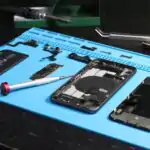
- Locate and Remove Screws: Identify all screws holding the casing together. Use the correct screwdriver size. Place screws in labelled containers to remember their original positions.
- Carefully Pry Open Casing: Use plastic prying tools to gently separate the casing halves. Avoid excessive force to prevent breaking plastic clips or scratching the device.
- Disconnect Internal Cables: Carefully disconnect ribbon cables, power cables, and other connectors. Note their orientation and connection points.
- Remove Components Systematically: Take out components like the battery, motherboard, fans, and drives in a logical order, noting how they are fitted.
Cleaning Fans, Vents, and Ports
These areas are prone to dust accumulation and require specific cleaning methods:
- Fans:
- Hold the fan blades to prevent them from spinning while cleaning.
- Use an air blower or compressed air to dislodge dust from the fan blades and heatsink fins.
- For stubborn dirt, use a soft brush (e.g., anti-static brush or clean toothbrush).
- Vents:
- Use an air blower or compressed air to clear dust from the ventilation grilles.
- Wipe the exterior of the vents with a clean, slightly damp microfiber cloth.
- Ports (USB, HDMI, Charging Ports, Audio Jacks):
- Use compressed air to blow out any dust or lint from inside the ports.
- For stubborn debris, a non-metallic tool like a wooden toothpick can be used gently.
- Avoid using metal objects that could short-circuit the contacts.
- A small amount of contact cleaner can be applied to clean electrical contacts, ensuring it dries completely before reassembly.
Safe Handling and Organisation Practices
To ensure successful servicing and prevent damage:
- Electrostatic Discharge (ESD) Prevention: Always wear an anti-static wrist strap connected to a grounded point (e.g., metal part of the computer casing) when working with internal components.
- Organise Screws and Parts: Use small, labelled containers or a magnetic mat to keep track of screws and small components. This prevents loss and ensures correct reassembly.
- Handle Components Gently: Avoid touching sensitive parts like CPU pins, circuit board traces, or delicate connectors directly with bare hands. Hold components by their edges.
- Document Disassembly: Taking photos or notes during disassembly can be very helpful for correct reassembly, especially for complex devices.
- Fault Awareness: Pay attention to any unusual smells, burn marks, or swollen components during inspection, as these indicate potential faults.
- Clean Workspace: Work on a clean, flat, and well-lit surface to prevent losing small parts and to clearly see what you are doing.
Teaching Methods/Instructional Techniques
Discussion, Demonstration, Guided Practice, Question and Answer, Explanation, Observation, Group Work, Practical Activity
Instructional Procedures
Step 1: Introduction
Time: 5 minutes
Teaching Skill: Explanation/Engagement
Teacher’s Activity: The teacher introduces the topic by asking students about their experiences with slow or faulty devices and how they think dust or dirt might affect them. The teacher then explains the importance of cleaning and maintenance.
Pupils’ Activity: Pupils share their experiences and contribute ideas on why devices need cleaning.
Learning Point: Importance of device maintenance
Step 2: Identification of Tools and Safety
Time: 10 minutes
Teaching Skill: Demonstration/Identification
Teacher’s Activity: The teacher displays various servicing tools (screwdrivers, brushes, air blower, anti-static strap, contact cleaner, methylated spirit) and explains their uses and the importance of safety precautions, especially regarding ESD and careful handling.
Pupils’ Activity: Pupils identify the tools, listen to explanations, and ask questions about their uses and safety.
Learning Point: Servicing tools and safety
Step 3: General Servicing Procedure Overview
Time: 5 minutes
Teaching Skill: Explanation
Teacher’s Activity: The teacher outlines the general steps involved in servicing a computer or mobile phone, from preparation to functionality testing, emphasising a systematic approach.
Pupils’ Activity: Pupils listen and take mental notes of the procedural steps.
Learning Point: Servicing procedure overview
Step 4: Guided Disassembly (Group Work)
Time: 15 minutes
Teaching Skill: Guided Practice/Demonstration
Teacher’s Activity: The teacher divides students into groups and guides them to work in groups to dismantle a sample computer (e.g., CPU casing) and a mobile phone. The teacher demonstrates how to remove screws, pry open casings, and disconnect internal cables safely, ensuring students use anti-static straps.
Pupils’ Activity: Pupils, in their groups, carefully follow the teacher’s instructions to disassemble the devices, identifying components as they go.
Learning Point: Safe device disassembly
Step 5: Identifying Dirt and Cleaning Components
Time: 10 minutes
Teaching Skill: Observation/Practical Application
Teacher’s Activity: The teacher guides students to check the disassembled computer/mobile phone properly to identify dirt, especially on fans, vents, and ports. The teacher then demonstrates how to clean these areas using soft brushes, air blowers, and methylated spirit/contact cleaner where appropriate.
Pupils’ Activity: Pupils observe the dirt, then practice cleaning the identified areas using the provided tools under supervision.
Learning Point: Component cleaning techniques
Step 6: Reassembly and Organisation
Time: 5 minutes
Teaching Skill: Guided Practice
Teacher’s Activity: The teacher guides students to carefully reassemble the devices, emphasising the importance of proper component placement and screw organisation. The teacher also reminds them to test functionality after reassembly.
Pupils’ Activity: Pupils work in groups to reassemble the devices, ensuring all parts are correctly fitted.
Learning Point: Proper device reassembly
Step 7: Evaluation/Review
Time: 5 minutes
Teaching Skill: Questioning/Assessment
Teacher’s Activity: The teacher evaluates the learning by asking the following questions:
- Mention three tools used for servicing computers and mobile phones.
- State two safety precautions to observe during device disassembly.
- Describe how you would clean a dusty computer fan.
- Why is it important to organise screws during disassembly?
Pupils’ Activity: Pupils answer orally and in writing.
Learning Point: Understanding servicing procedures
Step 8: Note-Taking
Time: 10 minutes
Teaching Skill: Guided Writing
Teacher’s Activity: The teacher guides pupils/students to copy the essential Board Summary notes, covering the importance of servicing, tools, procedures, and safe practices, into their notebooks.
Pupils’ Activity: Pupils/students copy the notes carefully into their notebooks.
Learning Point: Recording lesson content
Step 9: Conclusion
Time: 5 minutes
Teaching Skill: Consolidation
Teacher’s Activity: The teacher summarises the key takeaways of the lesson, reiterating the importance of regular maintenance, safe handling, and systematic procedures for servicing electronic devices. The teacher encourages students to apply these skills responsibly.
Pupils’ Activity: Pupils listen attentively and ask any final clarifying questions.
Learning Point: Reinforcing servicing knowledge
Continuous Assessment/Further Study
Type: Homework/Practical Exercise
Instruction: Answer the following questions and, if possible, observe an adult servicing an electronic device at home or in a repair shop.
- List five common areas in a computer or mobile phone where dust and dirt accumulate.
- Explain the function of an anti-static wrist strap during device repair.
- What are the potential risks of using excessive force when disassembling a mobile phone?
- Research and write down two additional tips for prolonging the life of a laptop battery.
Lesson Keywords
- Servicing – The process of maintaining and repairing a device to ensure its proper functioning.
- Disassembly – The act of taking apart a device into its constituent components.
- Cleaning Aids – Tools and substances used to remove dirt, dust, and grime from devices (e.g., brushes, air blowers, contact cleaner).
- Methylated Spirit – A type of alcohol often used for cleaning electronic components due to its quick evaporation.
- Contact Cleaner – A spray used to clean electrical contacts and remove oxidation.
- ESD (Electrostatic Discharge) – The sudden flow of electricity between two electrically charged objects, which can damage electronic components.
Differentiation
Support: For students who struggle with fine motor skills or understanding the steps, provide more direct one-on-one guidance during disassembly and reassembly. Use visual aids like diagrams or pre-recorded videos of the process. Pair them with more capable peers for group activities.
Extension: Challenge advanced students to identify specific components and explain their functions in more detail. They can also research common faults caused by dust and suggest preventive measures. Encourage them to document the disassembly and reassembly process with detailed notes or sketches.
Suggested Lesson Videos
YouTube search for “cleaning computer mobile phone disassembly SS1”
Community Join the conversation Open discussion +