

Note for teachers using this lesson plan
This lesson plan guides students to explore the rich cultural diversity of Nigeria by identifying major ethnic groups, their locations, and unique cultural features. It is important to prepare maps, pictures, and posters of various Nigerian ethnic groups and their cultural practices to facilitate engaging group discussions. By the end of the lesson, students should demonstrate an understanding of the similarities and differences among these groups, appreciate how diversity strengthens national unity, and identify cultural values that foster peace.
Class: SS 1
Term: First Term
Week: 4
Age: 15 years
Duration: 60 minutes
Subject: Citizenship and Heritage Studies
Curriculum Theme: Nigerian Heritage and Cultural
Focal competence: Demonstrating respect for Nigeria’s cultural diversity
Key competencies/values: Critical Thinking; Communication
Skills:
- Creating a portfolio of ethnic groups in Nigeria
Previous Lesson: Cultural Heritage, Elements and Importance
Topic: Major Ethnic Groups And Their Cultural Practices
Subject Matter: Similarities and differences among the major ethnic groups in Nigeria, Ways ethnic diversity contributes to national unity and development, Cultural values that promote unity and peace
Specific Objectives
By the end of the lesson, pupils/students should be able to:
Cognitive Domain
- discuss the names, geographical locations and cultural features of major ethnic groups in Nigeria;
- discuss the similarities and differences among the major ethnic groups in Nigeria;
- explain how ethnic diversity contributes to national unity and development;
- discuss the cultural values that promote unity and peace.
Affective Domain
- Appreciate the cultural diversity of Nigeria.
- Show respect for the cultural practices of various ethnic groups.
Psychomotor Domain
- Create a portfolio of ethnic groups in Nigeria.
Social Domain
- Participate respectfully in group discussions about cultural diversity.
Reference Materials
The following resources were used in planning this lesson:
- 2025 New Revised Senior Secondary Education Curriculum (SSEC)
- Relevant State Unified Scheme of Work
- A suitable Citizenship and Heritage Studies textbook for SS 1
- The HeadTeacher Scheme of work For The New Revised Senior Secondary Education Curriculum (SSEC)
Instructional Materials
The teacher will teach this lesson with the aid of:
- Maps of Nigeria (political and cultural)
- Pictures of various Nigerian ethnic groups in traditional attire
- Posters depicting cultural festivals and practices
- Charts showing demographic distribution of ethnic groups
- Whiteboard and markers
Rationale for the Lesson
This lesson is important because it helps students understand and appreciate the rich cultural tapestry of Nigeria. By exploring the diversity of ethnic groups, their practices, and shared values, students develop a sense of national identity and learn how to foster unity and peace in a multicultural society. This knowledge is crucial for responsible citizenship and promoting social cohesion.
Prerequisite/Previous Knowledge
Students should have a basic understanding of what an ethnic group is and some general knowledge about Nigeria’s geography and diverse population.
Lesson Content/Board Summary
Major Ethnic Groups And Their Cultural Practices
Major Ethnic Groups, Geographical Locations and Cultural Features
- Hausa/Fulani
- Geographical Location: Predominantly found in Northern Nigeria, including states like Kano, Kaduna, Sokoto, Katsina, Bauchi, Jigawa, Zamfara, Kebbi, Gombe, Yobe, Borno, Adamawa, Taraba, Plateau, Nasarawa, Niger, Kwara, and Kogi.
- Cultural Features:
- Religion: Primarily Islam.
- Traditional Attire: Men wear large flowing gowns (babban riga) and caps (fura), while women wear wrappers, blouses, and headscarves (hijab).
- Political Structure: Historically characterized by centralized Emirates led by Emirs.
- Economy: Predominantly agricultural (millet, sorghum, groundnuts) and livestock rearing.
- Festivals: Major Islamic festivals like Eid al-Fitr (Sallah Karama) and Eid al-Adha (Sallah Babba), often celebrated with elaborate horse riding displays (Durbar).
- Yoruba
- Geographical Location: Largely concentrated in Southwestern Nigeria, covering states like Oyo, Ogun, Osun, Ondo, Ekiti, Lagos, and parts of Kwara and Kogi.
- Cultural Features:
- Religion: A mix of Christianity, Islam, and traditional Yoruba religions (e.g., Ifa).
- Traditional Attire: Men wear agbada, buba, sokoto, and fila (caps); women wear iro (wrapper), buba (blouse), and gele (headtie).
- Political Structure: Characterized by monarchical systems with Obas (kings) as traditional rulers.
- Economy: Historically involved in agriculture (cocoa, yam, cassava), trade, and craftsmanship.
- Festivals: Numerous festivals such as Eyo, Osun-Osogbo, Ojude Oba, and Gelede masquerade festivals.
- Igbo
- Geographical Location: Primarily found in Southeastern Nigeria, including states like Abia, Anambra, Ebonyi, Enugu, Imo, and parts of Delta and Rivers.
- Cultural Features:
- Religion: Predominantly Christianity, with some adherence to traditional Igbo beliefs.
- Traditional Attire: Men wear Isiagu (lion head print shirt) and wrappers; women wear wrappers, blouses, and headties.
- Political Structure: Historically known for a republican, decentralized system with emphasis on age grades, titled men (Nze na Ozor), and village assemblies.
- Economy: Agriculture (yam, cassava), trade, and entrepreneurship.
- Festivals: Prominent festivals include Iri Ji (New Yam Festival), Mmanwu (masquerade festivals), and Ofala.
- Other Major Ethnic Groups
- Ijaw: Found in the Niger Delta region (Bayelsa, Rivers, Delta, Akwa Ibom). Known for fishing, masquerades, and water-based festivals.
- Kanuri: Located in Northeastern Nigeria (Borno, Yobe). Primarily Muslim, known for horsemanship and elaborate traditional attire.
- Tiv: Predominantly in the Middle Belt (Benue, Taraba). Known for agriculture (yam), traditional dances, and age-grade systems.
- Edo: Found in South-South Nigeria (Edo State). Famous for the ancient Benin Kingdom, bronze casting, and elaborate festivals.
Similarities Among Major Ethnic Groups in Nigeria
- Strong Family Ties: Most Nigerian ethnic groups place a high value on extended family, kinship, and communal living, providing a strong support system.
- Respect for Elders: There is a deep-seated cultural practice across almost all groups to show reverence and respect to older members of the community and those in authority.
- Traditional Festivals: Many groups celebrate various cultural festivals related to harvest, deities, rites of passage, or historical events, though the specific rituals may differ.
- Communalism: A strong sense of community, mutual support, and collective responsibility is common, where the welfare of the group often takes precedence over individual interests.
- Hospitality: A widespread practice of welcoming guests and strangers, offering food and shelter, is a shared value.
- Traditional Governance: The existence of traditional rulers, chiefs, or community leaders who play significant roles in local administration and cultural preservation is common.
- Marriage Customs: Many groups share similar marriage rites, including the payment of bride price, traditional engagement ceremonies, and emphasis on family involvement.
Differences Among Major Ethnic Groups in Nigeria
- Language: Each major ethnic group possesses distinct languages and numerous dialects, making Nigeria a multilingual nation.
- Traditional Attire: While all groups have traditional wear, the styles, fabrics, patterns, and ornaments used are unique to each, such as the Yoruba agbada, Igbo isiagu, and Hausa babban riga.
- Cuisine: Different staple foods, cooking methods, and local delicacies characterize each group, reflecting their environment and culinary traditions (e.g., Amala for Yoruba, pounded yam for Igbo, Tuwo Shinkafa for Hausa).
- Political Structures: Traditional governance systems vary significantly, from the centralized emirates of the North to the monarchical systems of the Southwest and the more republican, decentralized structures of the Southeast.
- Religious Practices: While Christianity and Islam are widely practiced, the specific traditional belief systems, deities, and rituals vary greatly among groups.
- Art Forms: Distinct artistic expressions are evident in sculpture, music, dance, crafts, and architecture, reflecting unique cultural aesthetics and historical narratives.
- Festivals: Each group has unique festivals with specific rituals, meanings, and timing, often tied to their history, religion, or agricultural cycles.
Ways Ethnic Diversity Contributes to National Unity and Development
- Cultural Exchange and Enrichment: The interaction of different cultures leads to a rich exchange of traditions, foods, music, art, and ideas, which enriches the overall national identity and experience.
- Tourism Potential: Nigeria’s vast array of cultures, festivals, and historical sites attracts tourists, both local and international, boosting the economy and creating employment opportunities.
- Diverse Skills and Talents: Each ethnic group often possesses unique skills, knowledge, and perspectives, contributing to national development in various sectors such as agriculture, craftsmanship, technology, and arts.
- Enhanced National Identity: The blend of diverse cultures forms a unique and vibrant Nigerian identity, fostering a sense of belonging and shared heritage among its citizens.
- Strength in Numbers: A large and diverse population can be a source of strength and influence on the global stage, providing a wide range of human resources and perspectives.
- Economic Opportunities: Inter-ethnic trade, collaboration, and specialization in different economic activities stimulate economic growth and create a dynamic marketplace.
- Political Stability and Inclusivity: When diversity is effectively managed and celebrated, it can lead to more inclusive governance, broader representation, and a stronger democratic framework.
Cultural Values That Promote Unity and Peace
- Hospitality: The widespread practice of welcoming and accommodating others, regardless of their ethnic or religious background, fosters goodwill and reduces tension.
- Respect for Elders and Authority: Upholding traditional hierarchies and showing deference to elders and leaders helps maintain social order and harmony.
- Communalism: Prioritizing the welfare of the community over individual interests encourages cooperation, mutual support, and a sense of shared destiny.
- Justice and Fairness: Upholding principles of equity, impartiality, and fair play in all interactions helps resolve disputes peacefully and prevents resentment.
- Hard Work and Diligence: Valuing effort, productivity, and self-reliance contributes to collective prosperity and reduces dependency, fostering a sense of shared progress.
- Tolerance and Understanding: The ability to accept and appreciate differences in beliefs, practices, and lifestyles is crucial for peaceful coexistence in a diverse society.
- Dialogue and Conflict Resolution: Many Nigerian cultures have traditional methods of resolving disputes peacefully through mediation, negotiation, and community consensus, which can be applied nationally.
- Integrity and Honesty: Upholding truthfulness, moral uprightness, and transparency in dealings builds trust among individuals and groups, which is fundamental for unity.
Teaching Methods/Instructional Techniques
Discussion, Group Work, Question and Answer, Explanation, Map Work, Picture Analysis, Class Presentation
Instructional Procedures
Step 1: Introduction
Time: 5 minutes
Teaching Skill: Questioning/Activating Prior Knowledge
Teacher’s Activity: The teacher greets the students and asks them to mention some of the different cultures or ethnic groups they know in Nigeria. The teacher then introduces the topic: “Major Ethnic Groups and Their Cultural Practices.”
Pupils’ Activity: Pupils respond to the teacher’s questions and listen attentively to the topic introduction.
Learning Point: Introduction to ethnic diversity.
Step 2: Identification of Major Ethnic Groups and Locations
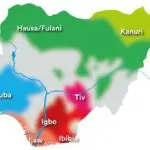
Time: 10 minutes
Teaching Skill: Map Work/Group Discussion
Teacher’s Activity: The teacher divides students into groups and provides each group with a map of Nigeria. The teacher guides the groups to use the maps to identify and discuss the names and geographical locations of major ethnic groups in Nigeria (Activity 1).
Pupils’ Activity: Pupils work in groups to identify ethnic groups and their locations on the map, discussing their findings.
Learning Point: Major ethnic groups identified.
Step 3: Discussing Cultural Features
Time: 10 minutes
Teaching Skill: Explanation/Facilitation
Teacher’s Activity: The teacher further guides the groups to discuss some prominent cultural features (e.g., language, traditional attire, festivals, political structure) associated with the identified ethnic groups, using the provided pictures and posters as visual aids (Activity 1).
Pupils’ Activity: Pupils discuss cultural features within their groups, referring to the visual aids.
Learning Point: Ethnic cultural features.
Step 4: Identifying Similarities Among Ethnic Groups
Time: 10 minutes
Teaching Skill: Picture Analysis/Guided Discussion
Teacher’s Activity: The teacher guides students to use pictures and posters to identify and discuss the similarities among the major ethnic groups in Nigeria in their groups (Activity 2). The teacher encourages them to look for commonalities in dressing, celebrations, or social structures.
Pupils’ Activity: Pupils identify and discuss similarities, preparing for a class presentation.
Learning Point: Similar cultural practices.
Step 5: Identifying Differences Among Ethnic Groups
Time: 5 minutes
Teaching Skill: Comparative Analysis
Teacher’s Activity: The teacher then guides the groups to identify and discuss the differences among the major ethnic groups, still using the pictures and posters (Activity 2). The teacher ensures they highlight distinct aspects.
Pupils’ Activity: Pupils identify and discuss differences, contrasting the various groups.
Learning Point: Distinct cultural practices.
Step 6: Diversity, Unity, and Cultural Values
Time: 5 minutes
Teaching Skill: Explanation/Discussion
Teacher’s Activity: The teacher explains how ethnic diversity contributes to national unity and development. The teacher also leads a discussion on cultural values that promote unity and peace in Nigeria, giving examples.
Pupils’ Activity: Pupils listen, ask questions, and contribute to the discussion on diversity and values.
Learning Point: Diversity for national growth.
Step 7: Evaluation/Review
Time: 5 minutes
Teaching Skill: Questioning/Assessment
Teacher’s Activity: The teacher evaluates the learning by asking the following questions:
- Mention three major ethnic groups in Nigeria and their geographical locations.
- State two cultural features of the Igbo people.
- Identify two similarities and two differences among Nigerian ethnic groups.
- How does ethnic diversity contribute to national unity?
- Name two cultural values that promote peace in Nigeria.
Pupils’ Activity: Pupils answer orally and in writing.
Learning Point: Understanding ethnic diversity.
Step 8: Note-Taking
Time: 10 minutes
Teaching Skill: Guided Writing
Teacher’s Activity: The teacher guides pupils/students to copy the essential Board Summary notes on major ethnic groups, their similarities, differences, and contributions to unity into their notebooks.
Pupils’ Activity: Pupils/students copy the notes carefully into their notebooks.
Learning Point: Recording lesson content.
Step 9: Conclusion
Time: 0 minutes
Teaching Skill: Consolidation
Teacher’s Activity: The teacher reminds students that Nigeria’s strength lies in its diversity and encourages them to always respect and appreciate the cultures of others. The teacher closes the lesson.
Pupils’ Activity: Pupils listen and reflect on the importance of cultural respect and unity.
Learning Point: Valuing cultural diversity.
Continuous Assessment/Further Study
Type: Homework/Project
Instruction: Individually or in small groups, create a portfolio (a small booklet or poster) of any two ethnic groups in Nigeria that were not extensively discussed in class. For each group, include:
- Their name and geographical location.
- At least three distinct cultural features (e.g., traditional attire, food, festivals, political structure).
- A picture or drawing representing their culture.
- Briefly explain one way their culture contributes to Nigeria’s national identity.
Lesson Keywords
- Ethnic Group – A community or population made up of people who share a common cultural background or descent.
- Culture – The customs, arts, social institutions, and achievements of a particular nation, people, or social group.
- Diversity – The state of being varied; a range of different things or people.
- Unity – The state of being united or joined as a whole.
- Cultural Values – The core principles and ideals upon which an entire community exists and functions.
- Heritage – Something inherited from the past; the traditions, achievements, beliefs, etc., that are part of the history of a group or nation.
- Hausa – A major ethnic group predominantly found in Northern Nigeria.
- Yoruba – A major ethnic group predominantly found in Southwestern Nigeria.
- Igbo – A major ethnic group predominantly found in Southeastern Nigeria.
Differentiation
For students who may struggle, the teacher can provide simplified maps with ethnic group names already marked and pre-selected pictures to guide their discussions. More advanced students can be challenged to research and present on a less common ethnic group, focusing on more intricate cultural aspects or exploring historical interactions between different groups.
Suggested Lesson Videos
For further understanding of Nigeria’s diverse ethnic groups and cultures, students can search on YouTube for:
- “Major ethnic groups in Nigeria and their cultures”
- “Nigerian cultural diversity for national unity”
- “Traditional festivals of Nigeria”

Community Join the conversation Open discussion +