

Class: Pre-School Level 4
Term: First Term
Week: 8
Age: 5 years
Duration: 30 minutes
Subject: Social Habits
Curriculum Theme: Social Habits
Previous Lesson: Not separately stated in the scheme.
Topic: Meaning and Examples of Traditional Practices
Subject Matter: Traditional Practices: Meaning and Examples
Specific Objectives
By the end of the lesson, pupils should be able to:
Cognitive Domain
- Explain in simple terms what traditional practices are.
- Identify at least three examples of traditional practices in Nigeria.
Affective Domain
- Show appreciation for different traditional practices.
- Respect the cultural practices of others.
Psychomotor Domain
- Participate in a simple role-play demonstrating a traditional practice.
- Point to pictures of different traditional practices.
Social Domain
- Share observations about traditional practices they know.
- Take turns during discussions about cultural practices.
Reference Materials
- NAPPS National Unified Teaching Scheme for Pre-School Level 4
- Early Childhood Care and Education resources
- Relevant picture books on Nigerian culture
Instructional Materials
- Charts showing various Nigerian traditional practices (e.g., Eyo festival, masquerades, kola nut presentation, traditional greetings, naming ceremony)
- Posters depicting cultural events
- Video clips of Nigerian traditional practices (e.g., festivals, dances)
- Real kola nuts (if available and safe for display)
- Play items for role-play (e.g., toy money, small gifts, scarves for costumes)
Rationale for the Lesson
Understanding traditional practices helps children connect with their cultural heritage and appreciate the diversity within their community and country. This lesson fosters respect for different ways of life and builds a foundation for cultural identity and social awareness from an early age.
Prerequisite/Previous Knowledge
Pupils are familiar with their immediate family and community, and they know about simple celebrations and rules in their homes and schools.
Lesson Content/Board Summary
Traditional Practices: Meaning and Examples
Traditional practices are special ways of doing things that people in a community or family have done for a very, very long time. They are passed down from parents to children, from grandparents to grandchildren. These practices are part of our culture and make us unique.
Examples of Traditional Practices:
- Eyo Festival: A colourful festival in Lagos where people wear special white costumes and masks, dancing and parading through the streets. It’s a big celebration!
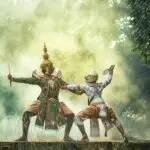
- Parading Masquerades: In many parts of Nigeria, people dress up in special costumes and masks called masquerades. They dance and entertain during festivals and important events.
- Giving Kola Nut to Elders: When people visit elders or during special gatherings, they often offer kola nuts as a sign of welcome, respect, and peace. It’s a very important custom.
- Paying Bride Price: This is a traditional custom where the groom’s family gives gifts or money to the bride’s family before a wedding. It shows respect and appreciation for the bride and her family.
- Traditional Greetings: Different tribes have special ways of greeting elders, like kneeling, prostrating, or bowing. This shows respect.
- Storytelling: Grandparents and parents telling stories, especially at night, to teach children about their history and values.
- Naming Ceremonies: Special events held to give a new baby a name, often with prayers, songs, and food.
Rhyme: Our Traditions
Tune: Twinkle, Twinkle Little Star
Traditions, traditions, old and new,
Special ways for me and you.
From our parents, we all learn,
Every culture has its turn.
Eyo, masquerades so grand,
Honouring elders in our land.
Actions: Clap hands, point to self, point to others, make a sweeping motion with hands, pretend to dance, bow head.
How to use the rhyme: Sing the rhyme together, encouraging pupils to do the actions. Repeat several times to help them remember the concept of traditions.
Watch and Learn About Our Culture
Let’s watch a short video about Nigerian culture and some of our special ways of doing things!
Key Words
- Traditional – things done for a very long time, passed down.
- Practices – ways of doing things.
- Culture – the special ways of life for a group of people.
- Community – a group of people living in the same place.
What the Teacher Should Show or Draw
Display charts and pictures of the Eyo festival, masquerades, people presenting kola nuts, and traditional greetings. Point to each example as it is discussed.
Teaching Methods/Instructional Techniques
Play-based Learning, Demonstration, Picture Talk, Question and Answer, Role-play, Songs and Rhymes, Discussion, Video Presentation.
Instructional Procedures
Step 1: Introduction
Time: 3 minutes
Teaching Skill: Engagement/Recall
Teacher’s Activity: The teacher greets the pupils and asks them about special things their families do during celebrations like birthdays or holidays. “What special things do you do at home during celebrations?”
Pupils’ Activity: Pupils respond by sharing simple activities their families do.
Learning Point: Pupils recall familiar family practices, linking to the idea of traditions.
Step 2: Explaining Traditional Practices
Time: 5 minutes
Teaching Skill: Explanation/Concept Building
Teacher’s Activity: The teacher explains in simple terms what “traditional practices” mean, using examples like “things our grandparents and parents did, and we still do today.” The teacher introduces the rhyme “Our Traditions.”
Pupils’ Activity: Pupils listen attentively and repeat the rhyme with actions.
Learning Point: Pupils understand the simple meaning of traditional practices.
Step 3: Identifying Examples (Visuals)
Time: 6 minutes
Teaching Skill: Visual Learning/Identification
Teacher’s Activity: The teacher displays charts and pictures of specific traditional practices mentioned in the subject matter (Eyo festival, parading masquerades, giving kola nut, paying bride price). The teacher briefly explains each one.
Pupils’ Activity: Pupils observe the pictures, listen to the explanations, and point to the different practices as the teacher names them.
Learning Point: Pupils identify visual examples of traditional practices.
Step 4: Video Reinforcement
Time: 4 minutes
Teaching Skill: Multimedia Integration/Observation
Teacher’s Activity: The teacher introduces a short, child-friendly video clip showing various Nigerian traditional practices or cultural celebrations. “Now, let’s watch a video to see more of these special ways!”
Pupils’ Activity: Pupils watch the video and identify practices they recognise or find interesting.
Learning Point: Pupils reinforce their understanding through visual and auditory input.
Step 5: Discussion and More Examples
Time: 4 minutes
Teaching Skill: Discussion/Expansion
Teacher’s Activity: The teacher leads a brief discussion, asking pupils what they saw in the video or if they know other traditional practices like special greetings or storytelling. The teacher adds examples like traditional greetings and naming ceremonies.
Pupils’ Activity: Pupils share their observations and mention any other practices they know or have experienced.
Learning Point: Pupils broaden their understanding of traditional practices and connect them to their own experiences.
Step 6: Role-Play/Demonstration
Time: 3 minutes
Teaching Skill: Practical Application/Role-play
Teacher’s Activity: The teacher guides pupils in a simple role-play, such as demonstrating how to greet an elder traditionally or pretending to offer a kola nut (using a real one if available or a substitute). “Let’s practice how to greet an elder respectfully!”
Pupils’ Activity: Pupils participate in the role-play, imitating the teacher’s demonstration.
Learning Point: Pupils actively demonstrate understanding of respectful traditional behaviour.
Step 7: Evaluation/Review
Time: 4 minutes
Teaching Skill: Questioning/Assessment
Teacher’s Activity: The teacher checks pupils’ understanding through short questions and practical tasks.
- What are traditional practices? (Guide them to say “old ways of doing things passed down”)
- Point to the picture of the Eyo festival.
- Name one traditional practice you learned today.
- Show me how you would greet an elder traditionally.
Pupils’ Activity: Pupils respond orally and demonstrate the required skill where appropriate.
Learning Point: Pupils demonstrate understanding of the lesson.
Step 8: Conclusion
Time: 1 minute
Teaching Skill: Summary/Reinforcement
Teacher’s Activity: The teacher summarises the lesson, reminding pupils that traditional practices are special parts of our culture and that we should respect them. The teacher encourages pupils to ask their parents about their own family traditions.
Pupils’ Activity: Pupils listen and acknowledge the importance of respecting traditions.
Learning Point: Pupils consolidate their learning and are encouraged to explore further.
Lesson Keywords
- Traditional – old ways of doing things.
- Practices – things people do.
- Culture – a group’s special way of life.
- Respect – showing honour to others.
Differentiation
- Support: For pupils who need extra help, use larger, clearer pictures. Repeat explanations slowly and provide direct prompts. Focus on identifying just one or two key examples. Encourage them to point rather than speak if they are shy.
- Extension: For pupils who grasp the concept quickly, encourage them to name additional traditional practices they know from their own families or communities. Ask them to describe what they like about a particular practice.
Note for teachers using this lesson plan
Before the lesson, ensure you have a variety of clear, age-appropriate pictures or charts depicting the traditional practices mentioned. If using a video, preview it to ensure suitability and prepare the viewing device. When discussing “paying bride price” or “giving gin and kola nut,” focus on the aspect of respect, honour, and community gathering rather than complex details. For “gin,” refer to it as “special drinks” for elders to avoid discussing alcohol with young children. Encourage pupils to share their own family traditions, fostering an inclusive classroom environment. Observe pupils’ ability to identify practices in pictures and participate in simple role-play as key indicators of understanding.
Community Join the conversation Open discussion +