

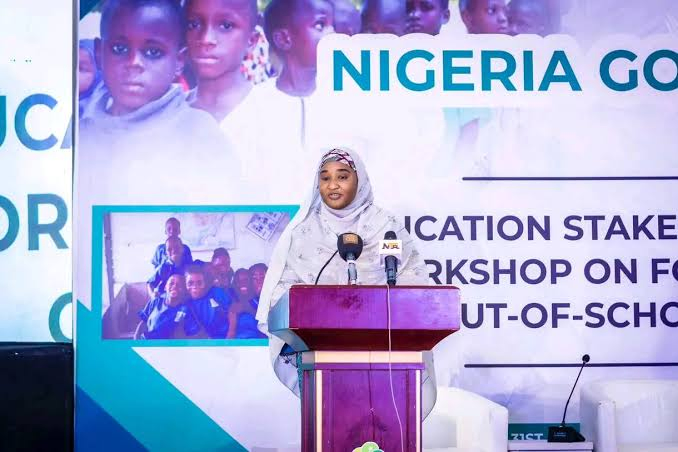
The Federal Government has called for a major shift in how Nigeria treats teachers and caregivers working with its youngest children, warning that the country’s learning outcomes are shaped long before pupils enter Primary One.
Dr Ado J.G. Muhammad, Federal Coordinator of the Human Capital Development Programme and National Early Childhood Development focal point, said Nigeria has about 92,000 public and private Early Childhood Care, Development and Education centres whose quality depends heavily on the people working inside them.
In a World Teachers’ Day message, Muhammad said early childhood teachers Nigeria relies on should be adequately trained, fairly paid, properly supervised and given sustained professional support rather than treated as a peripheral part of the education workforce.
He said the early-years workforce includes pre-primary teachers, crèche caregivers and educators in community learning centres, all of whom help shape the first 2,000 days of a child’s life.
The government’s Human Capital Development programme is working toward a goal that every Nigerian child should be ready for school by age five. Muhammad said that target would be difficult to reach if states expand access to early-childhood centres without improving the quality and working conditions of staff.
He called on state governments to recruit and train more early-childhood workers, pay competitive salaries, protect professional autonomy and reduce excessive workloads. He also urged states to create dedicated budget lines for early-childhood development.
State Universal Basic Education Boards were asked to address shortages in pre-primary classrooms and provide continuous professional development, including digital skills and preparation for climate-related disruptions to learning.
Muhammad also placed responsibilities on local governments and Ward Development Committees, saying early-childhood educators should be recognised as part of ward-level early-years teams. Private providers, he said, should comply with national quality and workforce standards.
The appeal comes as teacher shortages remain a wider global concern. Muhammad cited UNESCO’s estimate that the world will need 44 million additional teachers by 2030 and argued that Nigeria’s response must include educators working with children before formal primary education begins.
The 2026 World Teachers’ Day marks 60 years since the ILO/UNESCO Recommendation concerning the Status of Teachers, which set international standards around teachers’ training, rights and working conditions.
Muhammad said the anniversary should extend that protection to people working in early-childhood settings, summarising the government’s position with the line: “Standing with teachers means standing with the child.”
The federal statement did not announce a new national salary scale or a recruitment programme for the 92,000 centres. Instead, it sets out a policy direction and places much of the implementation responsibility on states, councils, SUBEBs, private providers and development partners.




Community Join the conversation Open discussion +