


Nigeria’s ongoing economic challenges are increasingly affecting the education sector, as many parents struggle to keep up with the rising cost of private school tuition and related expenses. Across several states, families are now transferring their children from private schools to public institutions or, in some cases, withdrawing them from school entirely.
Parents say the worsening economic situation—exacerbated by the removal of fuel subsidies, higher transportation costs, and rising inflation—has significantly increased the cost of education. Beyond tuition, families are finding it difficult to pay for school uniforms, textbooks, transportation, and other compulsory charges.
Some parents explained that the financial pressure has forced difficult decisions, including moving children to more affordable schools or asking them to support household income through small jobs or trading activities.
Parents Raise Concerns Over Rising Education Costs
Education stakeholders say the cost of schooling has become increasingly difficult for many Nigerian households to manage. According to education manager Mr. Alake Ayo, the financial burden on families has grown sharply in recent years.
He noted that tuition fees in many schools have increased alongside living expenses, making it harder for families who previously could afford private education to continue paying school fees.
As a result, some children have stopped attending school entirely while others have shifted to government-run schools where fees are significantly lower.
Private Schools Facing Declining Enrolment
Private school administrators are also feeling the impact of the economic downturn. With parents unable to keep up with tuition payments, many schools are reporting a decline in enrolment.
Observers say the situation has been worsened by broader economic pressures on families, including increased taxes, rising food prices, and higher living costs.
Since private schools rely largely on tuition payments to run their operations, falling enrolment is beginning to affect their financial sustainability.
Concerns Over Cost of Technical Education
Education advocates have also raised concerns about the affordability of some public technical schools. In some cases, the cost of technical education programmes remains high, making it difficult for low-income families to access vocational training opportunities.
Advocates say there is a need for greater government oversight and targeted support to ensure that technical education remains accessible to students from disadvantaged backgrounds.
School Administrators Struggle to Keep Schools Running
School owners say the economic climate is making it increasingly difficult to keep schools operational. Some administrators report that parents are frequently delaying school fee payments, while others are withdrawing their children completely.
The situation has also affected teachers, with some educators leaving the profession due to low wages and rising living costs. Education experts warn that continued instability could weaken the quality of learning if schools struggle to retain experienced teachers.
Rising Concern Over Children Leaving School to Work
Another troubling trend emerging in some communities is the growing number of children leaving school to work and support their families.
In parts of Lagos, reports indicate that some children are taking jobs in small factories, street trading, or hawking goods to help provide income at home. Community members say the trend is particularly visible in low-income neighbourhoods where families are facing severe financial pressure.
Education advocates warn that if this situation continues, it could lead to a rise in school dropouts and child labour, with long-term consequences for Nigeria’s education system and economic future.
Public Schools Experience Overcrowding
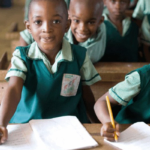
As more parents move their children from private institutions to government schools, public schools are beginning to experience overcrowding.
Teachers in some public schools report that classrooms now contain over 100 pupils, placing enormous pressure on teachers, learning materials, and school infrastructure.
Despite these challenges, some low-cost private schools are seeing a modest increase in enrolment after reducing their fees to attract parents seeking more affordable options.
Education stakeholders say urgent policy intervention may be needed to prevent the economic crisis from creating deeper disruptions in Nigeria’s education system.


Community Join the conversation Open discussion +