

Class: Junior Secondary School 3 (JSS3, JSS 3)
Term: 1st Term
Week: 2 – 3
Age: 14 years
Duration: 45 minutes
Subject: Pre-Vocational Studies
Curriculum Theme: Agricultural Science
Previous Lesson: Packaging of Agricultural Produce and Types of Packaging Materials
Topic: Packaging Criteria I: Produce Type, Shape and Size
Subject Matter: Nature of produce (liquid or solid); shape of produce; size of produce; matching packaging materials to physical characteristics
Specific Objectives
By the end of the lesson, pupils should be able to:
- Cognitive Domain:
(a) Explain the criteria used in selecting packaging materials for agricultural produce.
(b) Identify different factors affecting packaging decisions for various farm produce. - Affective Domain:
(a) Appreciate the importance of using suitable packaging materials to prevent spoilage and waste. - Psychomotor Domain:
(a) Demonstrate how to select proper packaging materials for different types of agricultural produce. - Social Domain:
(a) Work cooperatively in groups to discuss examples of suitable packaging for local farm products.
Reference Materials
The following resources was used in planning this lesson:
- 9 Years Basic Education Curriculum
- Lagos State Unified Scheme of work for Junior Secondary Schools
- Science Direct – “Agricultural Packaging and Its Role in Food Quality” (https://www.sciencedirect.com/topics/agricultural-and-biological-sciences/food-packaging)
- Relevant Textbooks
Instructional Materials
The teacher will teach this lesson with the aid of:
- Samples of packaging materials (nylon, carton, jute bag, plastic container, bottle, crate)
- Pictures or charts of packaged agricultural products
- A short video or slide showing packaging process for farm produce
- Whiteboard and markers
Rationale for the Lesson
This lesson will help pupils understand how to choose suitable packaging materials that protect farm produce, maintain quality, and make transportation easier.
Prerequisite/Previous Knowledge
Pupils are already familiar with the concept of packaging from their previous lessons on handling and processing of farm produce and can identify common packaging materials used in their community.
Lesson Content/Board Summary
Criteria For Selecting Packaging Materials For Agricultural Produce
Nature of Produce (Either Liquid or Solid)
Agricultural produce differ in their form and texture. Some are liquid like milk or palm oil, while others are solid like yam, maize, or beans. The nature of the produce determines the packaging material to use.
The following are criteria based on the nature of produce:
- Liquids require containers that do not leak, such as bottles, plastic cans, or sealed drums.
- Solids require strong, dry, and ventilated materials like sacks, baskets, or cartons.
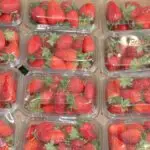
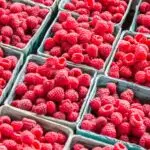
- Perishable goods like fruits should be packaged in breathable materials to prevent spoilage.
Shape of Produce
The shape of an agricultural product influences the choice of packaging to prevent damage and save space during storage and transportation.
The following are considerations based on shape:
- Round produce like oranges or tomatoes are best packed in crates or baskets.
- Long produce like plantain or yam should be tied or arranged neatly in jute bags or cartons.
- Irregularly shaped items should be cushioned with soft materials to avoid bruises.
Size of Produce
The size of the produce affects the kind of packaging used. Large items require stronger and larger materials, while smaller ones need lighter packaging.
These include:
- Small items like beans, maize, or rice are packed in bags or polythene sacks.
- Medium-sized items like tubers are arranged in baskets or cartons.
- Large items like pumpkins or watermelons may be individually wrapped or carried loosely but protected.
Distance to the Market
The distance between the production area and the market affects how well the produce must be protected during transportation.
The following are important points to note:
- Long distances require strong, durable, and moisture-resistant materials.
- Short distances may use lighter and simpler packaging.
- Fragile produce must be cushioned properly for long journeys.
Live or Frozen (Especially Livestock Produce)
Livestock and animal products require special packaging and handling to maintain freshness and prevent contamination.
The following are ways packaging differs for live or frozen produce:
- Live animals need ventilated cages or crates to allow air circulation.
- Frozen or chilled meat and fish should be packed in insulated boxes or coolers.
- Eggs are placed in crates or padded cartons to prevent breakage.
Teaching Methods/Instructional Techniques:
Lecture, Discussion, Explanation, Demonstration, Question and Answer, Group Work, Visual Aids
Instructional Procedures
To deliver this lesson, the teacher will adopt the following steps:
Step 1: Introduction
Time: 5 minutes
Teaching Skill: Set Induction
Teacher’s Activity: Teacher displays different packaging materials and asks pupils to identify them and state what they are used for.
Pupils’ Activity: Pupils respond by naming the materials and giving examples of produce each can hold.
Learning Point: Pupils become aware of common packaging materials used in agriculture.
Step 2: Nature of Produce
Time: 10 minutes
Teaching Skill: Explanation
Teacher’s Activity: Teacher explains how the nature of the produce determines suitable packaging, showing examples.
Pupils’ Activity: Pupils observe and note the materials suitable for liquid and solid produce.
Learning Point: Pupils understand the relationship between product nature and packaging type.
Step 3: Shape and Size
Time: 10 minutes
Teaching Skill: Discussion
Teacher’s Activity: Teacher discusses how the shape and size to market affect packaging choice, using examples from local farm produce.
Pupils’ Activity: Pupils contribute examples and identify appropriate packaging for each.
Learning Point: Pupils understand that packaging should fit the shape, size, and transport distance.
Step 4: Live or Frozen Produce
Time: 8 minutes
Teaching Skill: Demonstration
Teacher’s Activity: Teacher demonstrates packaging methods for live or frozen produce, using models or charts.
Pupils’ Activity: Pupils observe and suggest the best way to package perishable or live products.
Learning Point: Pupils learn proper packaging for animal and perishable farm products.
Step 5: Note-Taking
Time: 5 minutes
Teaching Skill: Explanation
Teacher’s Activity: Teacher dictates or writes the board summary for pupils to copy.
Pupils’ Activity: Pupils copy the note into their exercise books.
Learning Point: Pupils have written records of the lesson.
Step 6: Evaluation/Review
Time: 5 minutes
Teaching Skill: Questioning
Teacher’s Activity: The teacher evaluates the learning by asking the following questions:
- State two criteria used in selecting packaging materials for farm produce.
- How does the shape of produce affect packaging choice?
- Mention one packaging method for live or frozen produce.
- Why is distance to market important in packaging selection?
Pupils’ Activity: Pupils answer questions orally.
Learning Point: Pupils demonstrate comprehension of key lesson objectives.
Step 7: Conclusion
Time: 2 minutes
Teaching Skill: Reinforcement
Teacher’s Activity: Teacher summarizes the lesson and emphasizes the importance of correct packaging to prevent loss and spoilage.
Pupils’ Activity: Pupils listen and ask questions for clarification.
Learning Point: Pupils appreciate the value of good packaging in agricultural marketing.
Lesson Keywords
- Packaging – enclosing or wrapping produce for protection and transport.
- Perishable – goods that spoil or decay quickly.
- Ventilation – free flow of air to keep produce fresh.
- Durable – strong and long-lasting material.
- Insulated – protected from heat or cold for temperature control.
Differentiation
Teacher supports slower learners with visual examples and simplified explanations while advanced learners identify and classify packaging types for different produce in groups.
Note for teachers using this lesson plan
Ensure pupils handle packaging materials carefully during demonstrations. Emphasize cleanliness and hygiene when discussing materials for food or animal products.

Community Join the conversation Open discussion +