

Class: Junior Secondary School 1 (JSS1, JSS 1)
Term: 1st Term
Week: 4
Age: 12 years
Duration: 45 minutes
Subject: Literature In English
Curriculum Theme: Literature
Previous Lesson: Types of Oral Literature and Categories of Written Literature
Topic: The Genres of Literature
Subject Matter: Prose, Drama, Poetry
Specific Objectives
By the end of the lesson, pupils should be able to:
- Cognitive Domain:
(a) Identify and explain the three main genres of literature.
(b) Differentiate between prose, drama, and poetry with examples. - Affective Domain:
(a) Appreciate the richness and diversity of literature through its genres. - Psychomotor Domain:
(a) Read aloud short excerpts from prose, drama, or poetry with correct expression. - Social Domain:
(a) Work in groups to discuss and present examples of the three genres.
Reference Materials
The following resources were used in planning this lesson:
- 9 Years Basic Education Curriculum
- Lagos State Unified Scheme of work for Junior Secondary Schools
- Britannica – “Literature” (https://www.britannica.com/art/literature)
- Relevant Textbooks
Instructional Materials
The teacher will teach this lesson with the aid of:
- Textbooks containing short stories, poems, and plays
- Printed excerpts from prose, drama, and poetry
- Flashcards with definitions of genres
- Audio recordings of poems and dramatic dialogues
- Whiteboard and markers
Rationale for the Lesson
Understanding the genres of literature helps pupils to read, analyze, and appreciate different literary forms, thereby improving language skills and critical thinking.
Prerequisite/Previous Knowledge
Pupils have previously been introduced to the concept of literature as written or spoken works of art and are familiar with simple stories, poems, and plays from their reading experience.
Lesson Content/Board Summary
The Genres of Literature
Prose
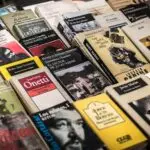
Prose is a form of literature written in ordinary language without rhyme or meter. It is usually arranged in sentences and paragraphs. Prose is commonly used in novels, short stories, essays, and narratives.
The following are examples of prose:
- Novels
- Short stories
- Biographies
- Essays
Drama
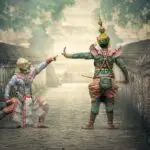
Drama is a literary work designed to be performed by actors on stage. It presents actions and dialogue to entertain, educate, or pass a message. Drama often includes acts, scenes, characters, and stage directions.
The following are examples of drama:
- Tragedy
- Comedy
- Tragicomedy
- Historical plays
Poetry
Poetry is a form of literature written in lines and stanzas. It makes use of rhythm, rhyme, imagery, and figures of speech to express ideas, emotions, and experiences in a creative way.
The following are examples of poetry:
- Lyric poetry
- Narrative poetry
- Dramatic poetry
- Epic poetry
How the Main Literary Genres Differ
Prose is commonly organised in sentences and paragraphs; drama is written mainly for performance through dialogue and stage action; poetry uses concentrated language, line arrangement, rhythm and imagery. A text’s subject alone does not determine its genre.
A novel is extended prose fiction, a play has acts or scenes and performance directions, and a poem may use stanzas. Learners should identify evidence from the text and explain the effect of the form.
Teaching Methods/Instructional Techniques:
Lecture, Discussion, Explanation, Storytelling, Group Work, Reading Aloud, Use of Visual Aids
Instructional Procedures
To deliver this lesson, the teacher will adopt the following steps:
Step 1: Introduction
Time: 5 minutes
Teaching Skill: Set Induction
Teacher’s Activity: Teacher asks pupils to mention the types of literary works they have read (stories, plays, or poems) and relates this to today’s lesson.
Pupils’ Activity: Pupils respond by mentioning works they know.
Learning Point: Pupils are introduced to the idea that literature is divided into genres.
Step 2: Explanation of Prose
Time: 8 minutes
Teaching Skill: Explanation
Teacher’s Activity: Teacher explains prose as a genre, defines it, and cites examples from short stories or novels.
Pupils’ Activity: Pupils listen, write notes, and identify prose examples from their textbooks.
Learning Point: Pupils understand prose as ordinary written or spoken language.
Step 3: Explanation of Drama
Time: 8 minutes
Teaching Skill: Discussion
Teacher’s Activity: Teacher explains drama, its features, and presents a short dialogue for pupils to read in groups.
Pupils’ Activity: Pupils read the dialogue and discuss drama as a genre.
Learning Point: Pupils understand drama as a performative genre of literature.
Step 4: Explanation of Poetry
Time: 8 minutes
Teaching Skill: Illustration
Teacher’s Activity: Teacher introduces poetry, reads a short poem aloud, and highlights its unique features like rhyme and imagery.
Pupils’ Activity: Pupils listen, repeat lines, and identify figures of speech.
Learning Point: Pupils understand poetry as a creative and imaginative genre of literature.
Step 5: Note-Taking
Time: 5 minutes
Teaching Skill: Explanation
Teacher’s Activity: Teacher dictates or writes the board summary for pupils to copy.
Pupils’ Activity: Pupils copy notes into their exercise books.
Learning Point: Pupils keep accurate written notes for study.
Step 6: Evaluation/Review
Time: 5 minutes
Teaching Skill: Questioning
Teacher’s Activity: The teacher evaluates the learning by asking the following questions:
- What are the three main genres of literature?
- Mention two examples of prose.
- Mention two examples of drama.
- Mention two examples of poetry.
Pupils’ Activity: Pupils respond orally to the teacher’s questions.
Learning Point: Pupils recall and demonstrate their understanding of the genres of literature.
Step 7: Conclusion
Time: 3 minutes
Teaching Skill: Reinforcement
Teacher’s Activity: Teacher summarizes the key points of the lesson and encourages pupils to explore works in all three genres.
Pupils’ Activity: Pupils listen attentively and ask questions where necessary.
Learning Point: Pupils are motivated to appreciate and enjoy literature in its various forms.
Home Task: Give three correct examples of The Genres of Literature and explain what each example shows.
Lesson Keywords
- Genre – type or category of literature
- Prose – ordinary written or spoken language in sentences and paragraphs
- Drama – literary work meant for performance on stage
- Poetry – imaginative writing in lines and stanzas with rhythm and rhyme
- Stanza – group of lines in a poem forming a unit
Differentiation
Teacher provides simple stories and poems for weaker learners while encouraging stronger learners to analyze more complex texts. Group activities ensure inclusive participation.
Note for teachers using this lesson plan
Use expressive reading to sustain pupils’ interest. Always provide relatable examples from local and global literature to make the lesson practical and engaging.

Community Join the conversation Open discussion +