


Running a school in Nigeria today is not for the faint-hearted. Between managing staff shortages, handling parents’ expectations, tracking payments, preparing students for BECE, WAEC, and NECO, and still maintaining discipline in overcrowded classrooms, many school heads find themselves constantly “putting out fires” instead of leading with structure. This is where strong school management tips Nigeria becomes not just helpful, but essential for survival and growth.
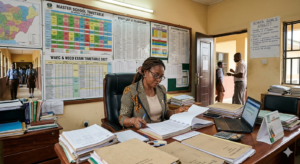
The truth is that most thriving schools are not necessarily the ones with the biggest buildings or highest fees—they are the ones with clear systems, consistent leadership, and practical daily routines that work even in low-resource environments. These school management tips Nigeria are designed specifically for real Nigerian school conditions: limited budgets, mixed staff capacity, unstable internet, and highly involved (sometimes demanding) parents.
1. Build a Clear Administrative Structure That Actually Works
One of the most overlooked aspects of school management tips Nigeria is clarity of roles. Many schools operate like everyone is doing everything, which leads to confusion and burnout.
Every school—whether nursery, primary, or secondary—should clearly define responsibilities:
- Academic coordinator handles lesson supervision and teaching quality
- Admin officer manages records, attendance, and communication
- Account officer tracks payments and financial records
- Class teachers handle academic and behavioural tracking
Even in small schools with limited staff, roles can be combined, but they must still be clearly assigned. This is a foundational principle in effective school management tips Nigeria because it reduces duplication and improves accountability.
Schools looking to strengthen instructional leadership can also explore teaching strategies to align classroom delivery with administration goals.

2. Strengthen Staff Management and Motivation Systems
Teacher performance directly affects student outcomes. In many Nigerian schools, staff morale drops due to irregular salaries, lack of recognition, and unclear expectations.
Practical school management tips Nigeria for staff management include setting predictable salary dates (even if modest), recognizing good performance publicly during staff meetings, and providing structured feedback instead of random complaints.
A simple monthly appraisal system can help. It does not need software—just a checklist of punctuality, lesson preparation, classroom control, and student results.
For schools struggling with behaviour issues tied to staff inconsistency, this resource is useful: consistency in teaching.
3. Student Discipline Systems That Don’t Rely on Punishment Alone
Discipline remains one of the biggest operational challenges in Nigerian schools. However, effective school management tips Nigeria show that punishment alone does not solve behavioural problems—it only suppresses them temporarily.
Schools should establish a clear discipline framework that includes:
- Behaviour expectations displayed in classrooms
- Step-by-step correction process (warning → counselling → parent involvement)
- Guidance and counselling unit, even if informal
Where discipline issues persist, collaboration with parents becomes critical. This connects strongly with Parental involvement, which is one of the most powerful but underused tools in Nigerian schools.
4. Financial Management That Prevents Term-Time Chaos
Many schools struggle not because they lack students, but because cash flow is poorly managed. A core principle in school management tips Nigeria is financial predictability.
School owners should avoid depending on irregular fee payments by:
- Introducing clear fee breakdowns per term
- Setting instalment options where necessary
- Tracking payments digitally or with structured registers
Even a simple Excel sheet can transform financial clarity. However, schools must ensure data is backed up regularly.
For schools working with limited budgets, insights from limited resources can help balance cost and quality decisions.
5. Improve Communication With Parents Using Simple Systems
Strong communication with parents reduces misunderstandings, improves discipline, and increases fee compliance. This is one of the most impactful school management tips Nigeria for both urban and rural schools.
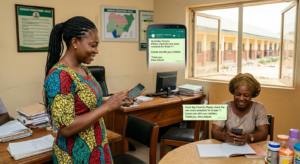
Many schools now rely on WhatsApp groups for communication. While effective, it must be structured. Schools should avoid chaotic messaging by assigning class teachers to manage official communication channels.
Effective communication practices include:
- Weekly updates on class progress
- Clear fee reminders (not aggressive messaging)
- Behavioural feedback shared early
Schools can strengthen this by applying strategies from Parental involvement, which shows how collaboration improves academic performance.
6. Academic Planning Aligned With Nigerian Exam Cycles
One of the strongest school management tips Nigeria is aligning academic planning with national exam calendars. Schools that ignore WAEC, NECO, and BECE timelines often rush syllabuses and produce weak results.
A strong academic plan should include:
- Term-by-term syllabus breakdown
- Revision periods before exams
- Continuous assessment tracking
School heads should also ensure lesson plans are monitored consistently. This is where structured teaching materials play a key role in ensuring teachers stay aligned with curriculum expectations.
7. Technology Tools That Actually Work in Nigerian Schools
Technology is no longer optional, but Nigerian schools must choose tools based on practicality, not trendiness. One of the most realistic school management tips Nigeria is starting simple before scaling.
Common tools include:
- WhatsApp: best for communication, free but can become disorganized if unmanaged
- Excel/Google Sheets: good for records and finance tracking, low cost or free
- School management systems (ERP platforms): better for growing schools but may cost between ₦50,000–₦500,000+ yearly depending on features and school size
| Tool | Best For | Cost Level | Main Limitation |
|---|---|---|---|
| Parent communication | Free (data cost only) | Message overload, lack of structure | |
| Excel/Google Sheets | Records and finance | Free–Low | Requires discipline to maintain |
| School ERP systems | Full school automation | Medium–High | Training and internet dependency |
For schools still developing their systems, combining simple tools is often more effective than expensive platforms.
8. Strengthen Parent-School Partnerships for Better Outcomes
No school can succeed without parents. One of the most powerful school management tips Nigeria is treating parents as partners rather than fee payers.
Schools should encourage:
- Regular PTA meetings focused on learning, not only finance
- Open days where student performance is discussed individually
- Home-school communication notebooks for younger pupils
Research and field experience show that schools with active parent engagement consistently perform better academically and behaviourally. This aligns strongly with Parental involvement practices.
9. Strengthen Teacher Consistency and Classroom Monitoring
Even the best curriculum fails without consistent teachers. A critical part of school management tips Nigeria is monitoring classroom delivery.
School heads should implement:
- Weekly lesson note checks
- Classroom observation schedules
- Peer teaching reviews
Consistency is more important than perfection. Schools that focus on steady improvement rather than occasional supervision see better academic outcomes. This is further supported by insights on consistency in teaching.
10. Create a 2–8 Week School Improvement Action Plan
One of the most practical school management tips Nigeria is breaking improvement into short execution cycles instead of yearly ambitions that never materialize.
A simple implementation plan could look like:
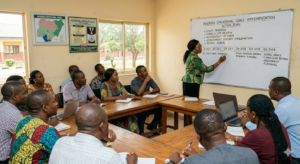
- Weeks 1–2: Define staff roles and communication structure
- Weeks 3–4: Standardize lesson supervision and discipline policy
- Weeks 5–6: Improve parent communication systems
- Weeks 7–8: Review financial tracking and academic alignment
This phased approach allows schools to adjust without overwhelming staff or disrupting learning.
Schools operating under tight constraints can also benefit from strategies in limited resources, especially when implementing new systems gradually.



Community Join the conversation Open discussion +