


Schools across Nigeria reopen this September for the 2025/2026 academic session. Parents are preoccupied with uniforms, fees, and supplies, yet education experts stress a more urgent concern: whether schools themselves are safe, well-equipped, and conducive to learning.
Advisories published ahead of resumption urge parents to personally inspect school facilities, verify security, and question class sizes. But the recommendations reveal a troubling irony — many public schools, which are meant to be affordable and broadly accessible, are the very ones failing these basic standards.
Infrastructure: A Glaring Gap
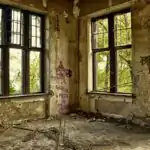
While private schools, even at modest levels, attempt patchwork upgrades to attract fee-paying parents, thousands of government-owned schools operate with leaking roofs, cracked blackboards, collapsed toilets, and overcrowded classrooms. In Lagos, Ogun, Kwara, and several northern states, dilapidated blocks and makeshift classrooms remain common sights.
The Punch report notes that such decay “undermines children’s confidence before learning begins.” For public schools, the message is particularly damning: if parents must physically inspect roofs, desks, and toilets before enrolling a child, what does that say about decades of government investment in education?
Overcrowding & Safety
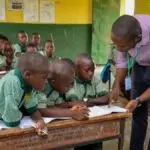
Public schools shoulder Nigeria’s largest pupil numbers but with insufficient teachers, weak fencing,broken down roofs, now doors/windows and limited security. In rural areas, classrooms often hold double or triple the recommended number of pupils. Fire safety, clean water, and functioning toilets are rare.
Ironically, the schools where safety checks are most necessary are those least able to fix the problems parents identify. Unlike private proprietors, head teachers in public schools lack financial autonomy; they cannot raise levies or charge “development fees” without state approval. Repairs wait on government funding cycles that are often delayed or politicized.
The Burden on Parents
Advising parents to “inspect schools before enrolling” makes sense in the private sector, where choice exists. But for millions who can only afford public schools, there is no alternative. Parents may see broken furniture or unsafe compounds — yet still enroll their children because private fees are beyond reach.
This makes the checklist-style advisory both practical and ironic. It risks becoming a diagnosis without cure: highlighting problems parents can neither fix nor avoid.
Why This Matters
Nigeria’s universal basic education framework was meant to guarantee access, equity, and a minimum standard. Instead, public schools have slipped into conditions that mock official policy. The very spaces designed to give disadvantaged children a level playing field now expose them to inequality at the most basic level: a safe and dignified learning environment.
The Takeaway
- Parents should still carry out inspections and ask questions — especially in private schools where they have bargaining power.
- Governments must urgently address public school decay, since no amount of parental vigilance can fix structural neglect.
- The irony remains: the group most in need of protective advice (public school parents) is the least able to act on it.


Community Join the conversation Open discussion +