

Note for teachers using this lesson plan
Before the lesson, ensure you have clear pictures of a black hen and eggs, or even a real egg if safely handled and available. The central idea for pupils is to learn and recite the rhyme, understand that the hen is a bird that lays eggs, and recognise that eggs are good for their health. Successful learning will be observed when pupils can confidently recite the rhyme with actions and identify the hen and eggs in pictures or real life.
Class: Pre-School Level 4
Term: Third Term
Week: 9
Age: 5 years
Duration: 30 minutes
Subject: Songs and Rhymes
Curriculum Theme: Songs and Rhymes
Previous Lesson: Identification of common farm animals
Topic: PICKETY, HICKETY MY BLACK HEN
Subject Matter: PICKETY, HICKETY MY BLACK HEN.
Specific Objectives
By the end of the lesson, pupils should be able to:
Cognitive Domain
- Recite the rhyme “Pickety, Hickety My Black Hen” correctly.
- Identify a hen as a bird.
- State that eggs are a source of protein.
Affective Domain
- Show enjoyment while reciting the rhyme.
- Appreciate the hen as an animal that provides food.
- Demonstrate willingness to participate in group activities.
Psychomotor Domain
- Perform simple actions related to the rhyme.
- Point to pictures of a hen and eggs.
Social Domain
- Participate actively in group recitation of the rhyme.
- Take turns during discussions about the hen and eggs.
Reference Materials
- NAPPS National Unified Teaching Scheme for Pre-School Level 4.
- Relevant Early Childhood Care and Education resources.
Instructional Materials
- Picture chart of a black hen.
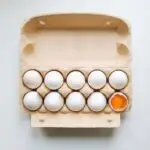
- Pictures or real examples of eggs (boiled and safely presented).
- Chart with the rhyme lyrics.
- Toy hen (optional).
Rationale for the Lesson
This lesson introduces children to a traditional rhyme that enhances their language development, rhythm, and memory skills. It also provides an opportunity to learn about farm animals, specifically the hen, and the nutritional value of eggs, connecting classroom learning to real-world experiences and healthy eating habits.
Prerequisite/Previous Knowledge
Pupils are familiar with common farm animals and can recite simple rhymes and songs.
Lesson Content/Board Summary
PICKETY, HICKETY MY BLACK HEN
The Rhyme: Pickety, Hickety My Black Hen
Tune: Traditional Nursery Rhyme
Lyrics:
Pickety, pickety, my black hen,
She lays eggs for gentlemen.
Sometimes nine, and sometimes ten,
Pickety, pickety, my black hen.
Actions:
- “Pickety, pickety”: Wiggle fingers like a hen pecking.
- “my black hen”: Point to self, then make a hen gesture with hands (thumb under chin, fingers wiggling like a comb).
- “She lays eggs”: Cup hands together like holding an egg.
- “for gentlemen”: Gesture politely or offer hands forward.
- “Sometimes nine, and sometimes ten”: Hold up 9 fingers, then 10 fingers.
- Repeat actions for the last line.
Understanding the Hen
A hen is a bird. It has feathers, wings, and lays eggs. Hens are farm animals.
Understanding the Egg
Eggs come from hens. Eggs are food that helps us grow strong and healthy. They are a good source of protein.
Moral Lessons from the Rhyme
The hen is kind because it lays eggs for others. We should also be kind and share with people around us.
Key Words
- Hen – A female chicken that lays eggs.
- Egg – The oval-shaped thing a hen lays, which we can eat.
- Bird – An animal with feathers and wings, like a hen.
- Lays – To produce and drop eggs.
- Protein – A part of food that helps our bodies grow strong.
Watch and Practise
💡 Teacher Guide for Using This Board Summary
How to teach the content: Introduce the rhyme by showing a picture of a hen. Recite the rhyme slowly and clearly, line by line, allowing pupils to listen. Then, guide them to repeat each line after you. Use the pictures of the hen and eggs to explain what a hen is and what eggs are for. Emphasise that eggs make them strong. Discuss the kindness of the hen and encourage pupils to think about sharing.
What to show or demonstrate: Show the picture of the black hen and eggs. Demonstrate the actions for each line of the rhyme clearly and slowly. Use a real egg (if available and safe) to make the concept concrete, pointing out its shape and how it can be eaten.
How to use the rhyme/song: Recite the rhyme several times, gradually increasing the speed as pupils become more familiar with it. Encourage pupils to perform the actions while reciting. Make it a fun, interactive activity, repeating until most pupils can join in confidently.
How to use the video: Introduce the video as a fun way to see the rhyme in action. Play the video once for pupils to watch and listen. Play it again, encouraging them to sing along and do the actions they have learned. After watching, ask pupils what they saw the hen doing in the video.
What to watch for: Observe pupils’ participation in reciting the rhyme and performing actions. Check if they can correctly identify the hen and eggs when shown pictures. Listen for their understanding when discussing the benefits of eggs and the moral lesson.
Teaching Methods/Instructional Techniques
- Songs and Rhymes
- Demonstration
- Guided Practice
- Picture Talk
- Question and Answer
- Repetition
- Play-based Learning
Instructional Procedures
Step 1: Introduction
Time: 3 minutes
Teaching Skill: Engaging/Motivation
Teacher’s Activity: The teacher greets the pupils and leads them in singing a familiar song about farm animals. The teacher then asks pupils to name some farm animals they know.
Pupils’ Activity: Pupils respond to greetings, sing the familiar song, and name farm animals like goats, cows, and chickens.
Learning Point: Pupils are engaged and recall previous knowledge of farm animals.
Step 2: Introduction of the Rhyme
Time: 5 minutes
Teaching Skill: Presentation/Modelling
Teacher’s Activity: The teacher shows a picture of a black hen and asks, “What animal is this?” The teacher then introduces the rhyme “Pickety, Hickety My Black Hen” and recites it clearly and slowly for the pupils to listen.
Pupils’ Activity: Pupils identify the hen in the picture and listen attentively to the teacher reciting the rhyme.
Learning Point: Pupils are introduced to the rhyme and the main character (the hen).
Step 3: Guided Recitation and Actions
Time: 6 minutes
Teaching Skill: Guided Practice/Imitation
Teacher’s Activity: The teacher recites the rhyme again, this time demonstrating the actions for each line. The teacher encourages pupils to join in, repeating each line and action after the teacher.
Pupils’ Activity: Pupils imitate the teacher’s actions and attempt to recite the rhyme along with the teacher.
Learning Point: Pupils begin to learn the rhyme and associate actions with the words.
Step 4: Understanding the Hen
Time: 4 minutes
Teaching Skill: Explanation/Observation
Teacher’s Activity: The teacher points to the picture of the hen and asks, “What kind of animal is a hen?” The teacher explains that a hen is a bird because it has feathers and wings, and it lays eggs.
Pupils’ Activity: Pupils observe the picture, listen to the explanation, and repeat that a hen is a bird.
Learning Point: Pupils identify the hen as a bird.
Step 5: Understanding the Egg
Time: 4 minutes
Teaching Skill: Concept Development/Discussion
Teacher’s Activity: The teacher shows pictures or real eggs and asks, “What does the hen give us?” The teacher explains that eggs are food and contain “protein” which helps them grow big and strong.
Pupils’ Activity: Pupils identify the eggs and repeat that eggs help them grow strong.
Learning Point: Pupils understand that eggs are a source of protein and are good for health.
Step 6: Moral Lesson and Video Reinforcement
Time: 4 minutes
Teaching Skill: Value Integration/Visual Aid
Teacher’s Activity: The teacher discusses that the hen lays eggs “for gentlemen,” meaning it shares. The teacher asks pupils how they can be kind and share. The teacher then plays the video of the rhyme for pupils to watch and sing along.
Pupils’ Activity: Pupils share ideas on kindness and sharing, then watch the video, singing and performing actions.
Learning Point: Pupils learn about kindness and sharing, and reinforce their understanding of the rhyme.
Step 7: Evaluation/Review
Time: 4 minutes
Teaching Skill: Questioning/Assessment
Teacher’s Activity: The teacher checks pupils’ understanding through short questions and practical tasks.
- “Can you recite the rhyme ‘Pickety, Hickety My Black Hen’?”
- “What animal is this?” (showing a picture of a hen)
- “Is a hen a bird or a fish?”
- “What does the hen give us that helps us grow strong?” (showing an egg)
- “How can you be kind like the hen?”
Pupils’ Activity: Pupils respond orally and demonstrate the required skill where appropriate.
Learning Point: Pupils demonstrate understanding of the lesson.
Step 8: Conclusion
Time: 2 minutes
Teaching Skill: Summarising/Closure
Teacher’s Activity: The teacher praises the pupils for their participation and good work. The teacher reminds them that hens are birds that give us healthy eggs and that we should always be kind and share. The teacher encourages them to recite the rhyme at home.
Pupils’ Activity: Pupils listen to the teacher’s summary and say goodbye.
Learning Point: Pupils consolidate their learning and are encouraged to continue practising.
Lesson Keywords
- Hen – A female chicken that lays eggs.
- Egg – The oval-shaped thing a hen lays, which we can eat.
- Bird – An animal with feathers and wings, like a hen.
- Lays – To produce and drop eggs.
- Protein – A part of food that helps our bodies grow strong.
Differentiation
- Support: For pupils who struggle with the rhyme, the teacher can provide more one-on-one repetition, use exaggerated actions, or allow them to just join in with key words. For identifying the hen and egg, use larger, clearer pictures and provide hand-over-hand guidance for pointing.
- Extension: For pupils who quickly grasp the concepts, the teacher can ask them to describe the hen in more detail (e.g., its colour, what sound it makes) or to count how many eggs the hen lays in the rhyme (nine and ten). They can also be encouraged to draw a hen or an egg.
Community Join the conversation Open discussion +